Maintenance loan struggles to keep pace with Warwick living costs
Warwick students on the maximum maintenance loan have been left with as little as twelve pounds a week once rent alone is paid, figures have shown, with how far the loan stretches depending heavily on where a student lives.
The maintenance loan is the main source of government support for students’ living costs, covering rent, food, travel, and course materials. For the 2026/7 academic year, the maximum available to a student living away from home outside of London stands at £10,830. This equates to approximately £208 a week.
The extent to which this figure covers living costs depends heavily on where a student is housed. Bluebell, Warwick’s most expensive on-campus accommodation, has been listed at £255. Its forty-week contract comes to £10,200 for the academic year, which is almost the entirety of the maximum loan, leaving a student just £12 a week for food, bills, and other expenses.
Rootes, one of the University’s cheapest accommodations, has been listed at £128 a week for the same year. Its forty-week contract comes to £5,120, leaving closer to £110 a week once rent is paid.
The two accommodations are a mere short walk apart on the same campus, yet the gap between what remains of the maintenance loan after rent is nearly tenfold.
Gabriel Spence, a second year Politics and International Studies student, told The Boar: “My maintenance loan didn’t cover my rent, and I chose the cheapest on campus room with an en-suite.”
He continued: “I relied on my parents for help with shopping, and was fortunate enough to be able to go home regularly to cut down on costs. I had saved a lot over the summer before moving to university, but that money quickly ran out.”
Warwick Accommodation is committed to providing a range of accommodation options to suit different budgets and preferences while maintaining competitive rents in comparison with other institutions in the sector
University of Warwick Press Office
The University of Warwick’s’ Press Office told The Boar that “Warwick Accommodation is committed to providing a range of accommodation options to suit different budgets and preferences while maintaining competitive rents in comparison with other institutions in the sector”.
The gap between what a loan covers and what rent costs continues off campus, where rents have been found to vary in a similar way, affecting students in their second year and above who are no longer living in university accommodation.
A shared house in Leamington Spa, one of the most popular areas for Warwick students living off campus, has been listed at £485 a month per person for a six-person property, leaving approximately £96 a week surplus.
My maintenance loan is not enough to cover the cost of my rent – it doesn’t even scratch the surface
Anna Mead, Second Year Media and Creative Industries Student
Anna Mead, a second year Media and Creative Industries student, told The Boar: “My maintenance loan is not enough to cover the cost of my rent – it doesn’t even scratch the surface.”
She continued: “I am lucky in that I’m supported by my parents so that I am able to pay my rent, however, I have had to find a part time job alongside my studies to keep up with the cost of living.”
In Canley, a shared house has been listed at £733 a month for a five-bed property, leaving a student with closer to £39 a week. Properties in Coventry more broadly have ranged from £450 a month for a shared house to £525 a month for a two-person flat, leaving between £87 and £104 a week depending on the property.
Across all options, the maximum loan’s spending power after rent has ranged from £12 to £110 a week: a difference of almost £100, despite the loan itself remaining the same regardless of where a student chooses, or is able, to live.
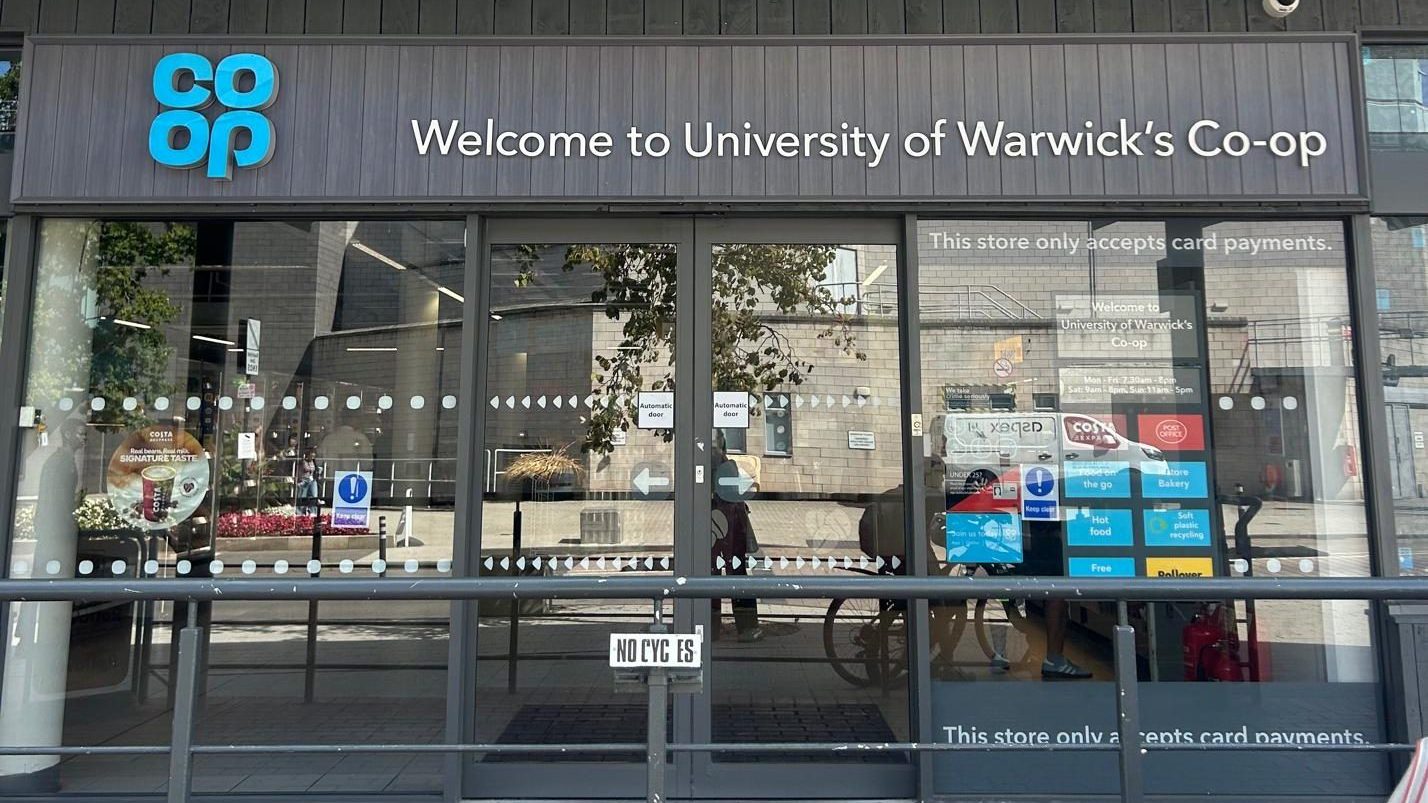
What remains once rent is paid has to cover a student’s food shop, amongst other expenses. At the campus Co-op, prices for individual staples have been found to include £1.40 for two pints of milk, £2.05 for six large eggs, and £5 for a 580g pack of chicken breast fillets, according to a Boar analysis published in November.
Co-op members receive lower prices on some of these items, including £4.55 for the same chicken. For a student with only £12 left over each week, after rent has been paid, those three items alone would account for approximately three-quarters of it.
The maximum maintenance loan is only available to students whose household income is £25,000 or below. Above that threshold, the loan tapers, falling to a guaranteed minimum of £5,048 a year for students with a household income of £62,000 or higher, according to government guidance.
Many students receive less than the maximum amount of maintenance loan, meaning the gap between loan and rent widens for a large number of students.
According to government guidance, students are expected to make up the difference between their Maintenance Loan and their total living costs.
Ways of making up the difference include parental support, part-time employment, savings, or financial support such as scholarships – sources students may be forced to lean on even more.
In a statement to The Boar, a University of Warwick spokesperson said that “scholarship and funding opportunities can be found on our Scholarship Search Tool and students from lower income households receive bursaries to support their studies. In addition to this, there is hardship funding available for eligible students who find themselves struggling financially to meet their essential living costs.”
They continued: “we will continue to work with student representatives to ensure that Warwick Accommodation meets the needs of our diverse student body, remains competitively priced, and continues to provide a high-quality living environment for students.”
Comments