Another threat to globalisation? The Iran War and supply chains
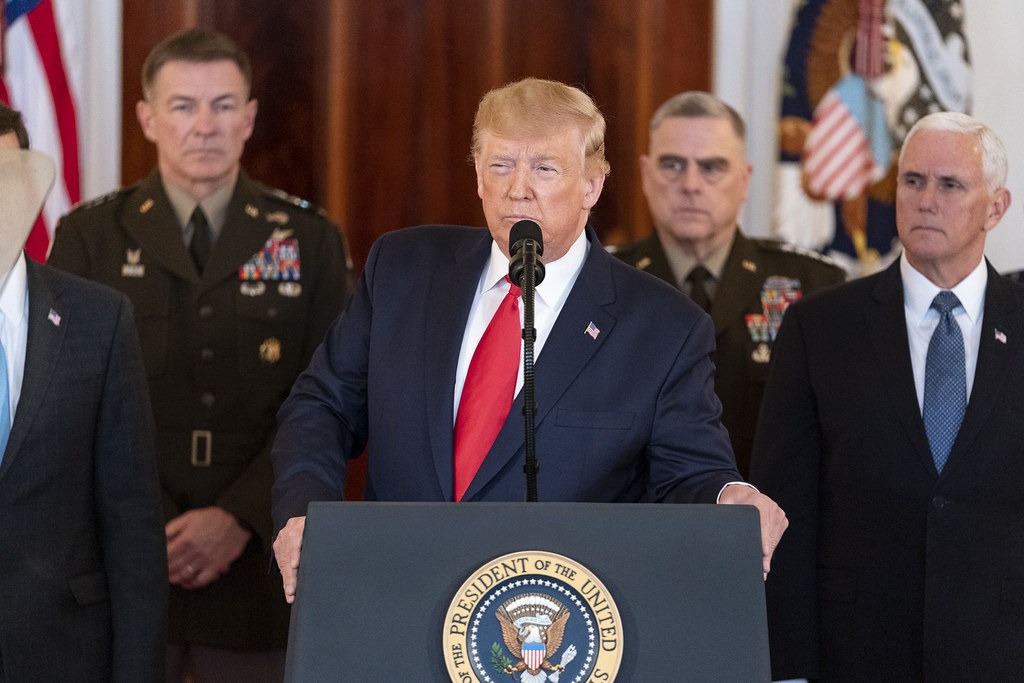
On 28 February 2026, the US and Israel began launching airstrikes on Iran after President Donald Trump gave the order to begin ‘Operation Epic Fury’. Within hours, Iranian vessels in the Strait of Hormuz – a waterway between the Persian Gulf and the Gulf of Oman crucial to global oil supply – began issuing announcements over the radio that the Strait was closed. Now, any ship that attempts to travel through the waterway faces the constant threat of being hit by missiles, triggering a hidden underwater mine, or having their navigation systems jammed.
As a result, insurance prices for these ships have skyrocketed. Before the war began, insurance for each trip through the Strait (a necessary expense for ships carrying so much valuable cargo) was around 0.125% of the vessel’s total value. Now, the cost for a single trip through the Strait could be up to 0.4% of the ship’s worth, which equates to an expense of hundreds of thousands of dollars; the price is almost double for vessels with an affiliation to Israel. Because of these costs, as well as the constant danger of arrest or violence, commercial traffic through the Strait of Hormuz has ground to a halt.
Due to the slow nature of oil transport, even if the war ended today, prices would remain high for months
This has had a catastrophic influence on the global economy, primarily visible in fuel costs. Prior to the US and Israel’s attacks on Iran, around 20% of the entire world’s oil and natural gas was transported through the Strait, exported from Gulf states including Iraq, Kuwait, Saudi Arabia, and Qatar. With the almost complete cessation of traffic now leaving the waterway, fuel prices have skyrocketed: wherever you are in the world, fuel for cars, ships, and planes is now significantly more expensive. In the UK, the day before the war, the average price of unleaded petrol was around £1.32 per litre, while diesel was around £1.41 per litre. Now, a litre of petrol will cost you £1.57, and £1.89 for a litre of diesel. A full tank of petrol for a family car is now around £14 more expensive, with a £27 increase on diesel. This remains far below the highest prices in recent memory, which followed the start of the Ukraine war in 2022 when petrol prices hit £1.91 per litre, but shows no signs of falling. Meanwhile, many people have decided to refrain from planning international travel due to the high prices of jet fuel driving up the cost of plane tickets, as well as the real possibility of shortages and cancellations. Due to the slow nature of oil transport, even if the war ended today, prices would remain high for months.
It’s not just fuel prices that the war could increase. A worst-case scenario created by the UK government focuses on possible carbon dioxide shortages and how this would influence food production. It is used in farming to stun animals before slaughter, added to packaged meat to extend its shelf life, and used to add fizz to alcoholic and soft drinks. In response to these potential shortages, the government has temporarily restarted a carbon dioxide production plant in Teesside after it was closed last year. Natural gas shortages from the closure of the Strait of Hormuz have also caused an increase in fertiliser prices, which will inevitably cause further food inflation.
Even the NHS has been hit by concerns surrounding potential shortages, with fears now arising that there will soon be difficulties in sourcing medicine and essential equipment like syringes and intravenous bags. Petrochemicals, a major export of countries surrounding the Strait of Hormuz, are necessary for healthcare, being used as active pharmaceutical ingredients and in the manufacturing of sterile equipment like PPE. The price of a box of synthetic rubber gloves, an everyday necessity in hospitals across the world, has risen by 40% due to the conflict. Jet fuel shortages could also have devastating effects on the medicine economy, as airlines are reluctant to travel through the Middle East, which acts as a stopping point for air freight transporting medication from India, where the majority of drugs are manufactured.
Yet, even with peace talks happening in Islamabad, the Strait of Hormuz is still a highly hostile environment
Since April 8 2026, an uneasy ceasefire has been in place. Yet, even with peace talks happening in Islamabad, the Strait of Hormuz is still a highly hostile environment. At the end of the month, Iran seized a ship travelling through the Strait, that they alleged to be working with the US government, which they accused of engaging in suspicious activity and ignoring multiple warnings. On May 11, President Trump told reporters that the ceasefire is now “unbelievably weak”, calling the proposed truce from Iran, which planned to end the war and reopen the Strait of Hormuz, a “piece of garbage” that he “didn’t even finish reading”. In response, Iranian politician Mohammad-Bagher Ghalibaf stated in an X post: “There is no alternative but to accept the rights of the Iranian people as laid out in the 14-point proposal […] The longer they drag their feet, the more American taxpayers will pay for it.”
The shock of the conflict on the global economy is affecting the lives of people all around the world, whether it is increased prices for food or petrol, or even shortages of necessary items
It’s not just American citizens suffering from the effects of the war – Darren Jones, the chief secretary to the prime minister, directly stated that people will see “higher energy prices, food prices, […] as a consequence of what Donald Trump has done in the Middle East”. The shock of the conflict on the global economy is affecting the lives of people all around the world, whether it is increased prices for food or petrol, or even shortages of necessary items. These economic impacts are nothing compared to the violence and loss that the people of Iran are suffering, for a war driven by the aggressive actions of a few powerful people. These actions are having a significant negative influence on economies all around the world, including those countries that remain uninvolved in the war. In the UK, the government has begun preparing to counteract shortages of food, fuel, and even medical supplies: the consequences of a conflict that our government insists it has no part in.
Comments