Markets around the world
Markets are a common feature of travel destinations all over the world, and frequently appear on tourist websites as an opportunity to find out how the local people really live. But are these a real reflection of a country’s way of life, or a specially tailored experience designed to draw tourists in and trick them into buying overpriced goods?
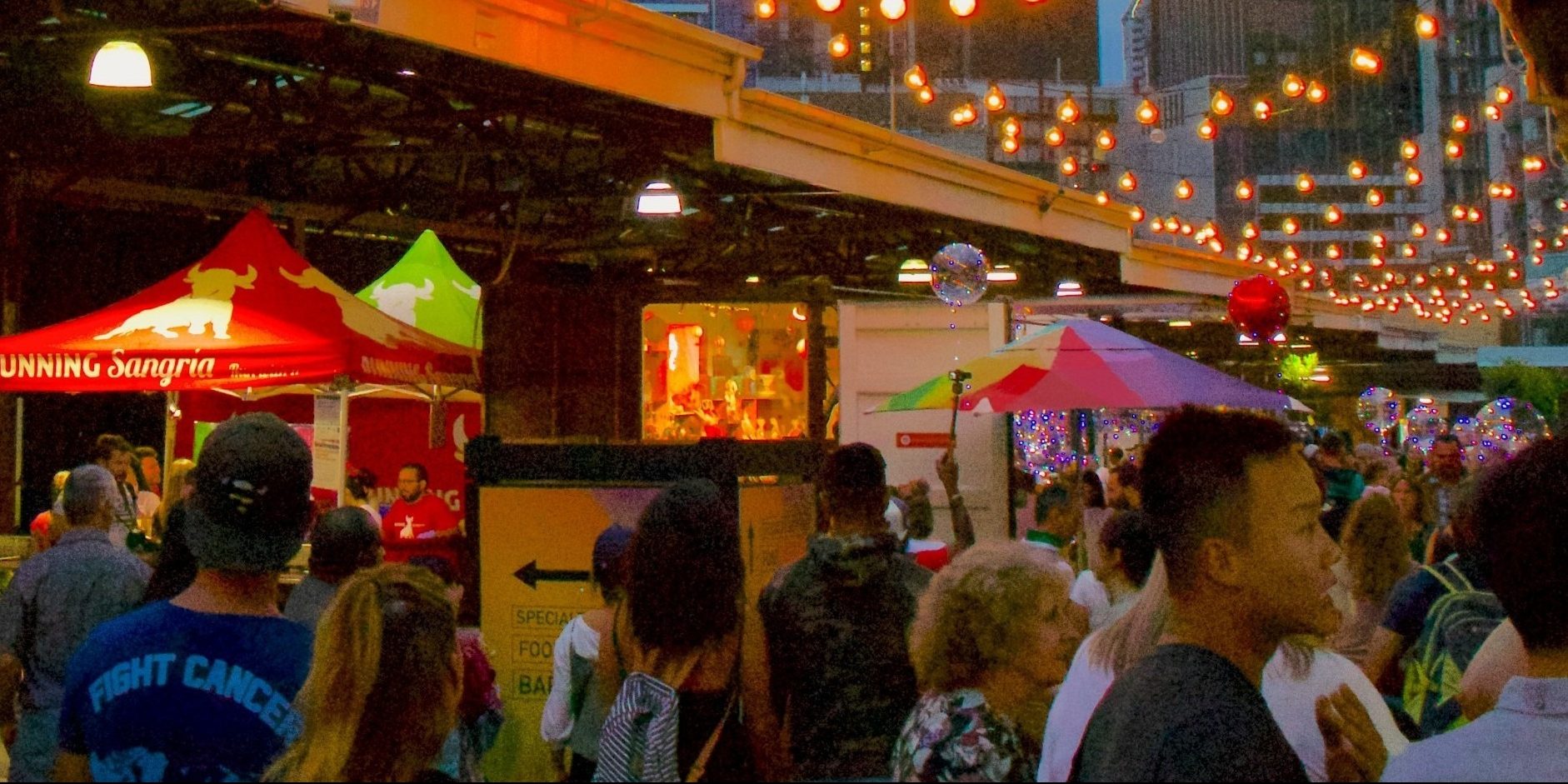
Today, the market is one of Melbourne’s most important shopping locations, bursting with over 600 businesses offering a range of foods
1. Queen Victoria Market, Melbourne
The largest market in the southern hemisphere (beaten by China’s Yiwu Market for the title of the largest in the world) is the Queen Victoria Market in Melbourne, covering a vast area spanning over 7 hectares. It was contentiously built in the Victorian era over the site of the Old Melbourne Cemetery, officially opening in 1878 but still facing multiple petitions and protests attempting to halt its construction. After its initial opening, it expanded over the entire area previously occupied by the cemetery, causing the exhumation of hundreds of bodies from the earliest days of the city. But, due to a fire causing the loss of the burial records and a large number of unmarked graves, thousands of graves still remain beneath the modern market, resting beneath the paths walked by endless amounts of people every day.
Today, the market is one of Melbourne’s most important shopping locations, bursting with over 600 businesses offering a range of foods–from seafood to speciality cheeses and baked goods–as well as handmade jewellery and craft products. Wednesday evenings host the Night Market, where international street food brought from the many diverse cultures that now make up Melbourne’s population can be enjoyed. While this is definitely a tourist hot-spot, it is also filled with locals, and tourists can easily spend hours browsing the hundreds of stalls, gathering souvenirs, and trying the food, alongside the local people who affectionately refer to it as ‘Vick’s Market.’
While this may seem like an authentic Thailand experience, many have argued that the market presents an overpriced and over-exaggerated caricature of Thai culture
2. Damnoen Saduak Floating Market, Thailand
Traditionally, traders in Thailand would conduct business along the khlongs (rivers/canals) that stretch across the landscape–Bangkok contains over 1600 khlongs, earning it the centuries-old title of the ‘Venice of the East.’ These waterways were often lined with bustling markets and while most of these are gone, replaced by modern land markets or regular shops, some remain as tourist attractions. One of the most notable and popular of these is the Damnoen Saduak Floating Market in the Ratchaburi province, near Bangkok.
The Damnoen Saduak canal was built by King Rama IV in the 19th century, and is now the longest and straightest canal in Thailand. It is lined with hundreds of busy market stalls where vendors in mo hom and ngob (traditional blue farmers’ shirts and straw hats) sell food and souvenirs. Other sellers also operate from small wooden boats, with some cooking ‘boat noodles,’ small bowls of noodles served with a soup flavoured with animal blood and a mix of spices. While this may seem like an authentic Thailand experience, many have argued that the market presents an overpriced and over-exaggerated caricature of Thai culture, made for the sole purpose of reselling poor-quality souvenirs and overpriced fruits. While Damnoen Saduak may be colourful and exciting, it may not give a genuine experience of what these traditional markets are really like; for something closer to the real thing, you could travel to other locations, such as Bang Kachao or Ampawa.
On a freezing day in December, sitting on a rickety metal chair in the area beside the kitchen, surrounded by local people, this felt like a true authentic experience of what living and working in Munich is like
3. Viktualienmarkt, Munich
In the heart of Munich, a city that is often known for its temporary Christmas markets, is the permanent Viktualienmarkt: a square full of food stalls that has been held nearly every day for over 200 years, drawing locals and tourists alike. It is home to a famous beer garden, with a constantly changing menu of beers from the city’s major breweries as well as traditional drinking snacks such as Brotzeit (meat, bread, and cheese). There are also hundreds of stalls boasting local produce, from the Honighäusl’s vast selection–from honey to flowers, as well as the usual bread, meat, and fish products. These stalls are all centred around six fountains depicting famous Bavarians, such as actress Ida Schumacher and folk singer Roider Jackl.
But when I visited Munich, what drew me to the market was a sign for the Munich Soup Kitchen, proudly boasting the “Best soup in town!” This small open-air restaurant, packed with local students and businessmen, serves a variety of traditional German soups like Leberknödelsuppe (liver dumpling soup), as well as items from further afield such as Chilli con Carne (with the Bavarian twist of an accompanying slice of rye bread, of course). I tried the carrot, coconut, and ginger soup, and the chicken broth with the Maultaschen, a kind of German ravioli filled with smoked meat and spinach. On a freezing day in December, sitting on a rickety metal chair in the area beside the kitchen, surrounded by local people, this felt like a true authentic experience of what living and working in Munich is like. I can’t say if it was the best soup in town, given it was the only one I tried, but it was definitely delicious!
Comments