Is Podcasting too accessible? The Marketability of Bigotry
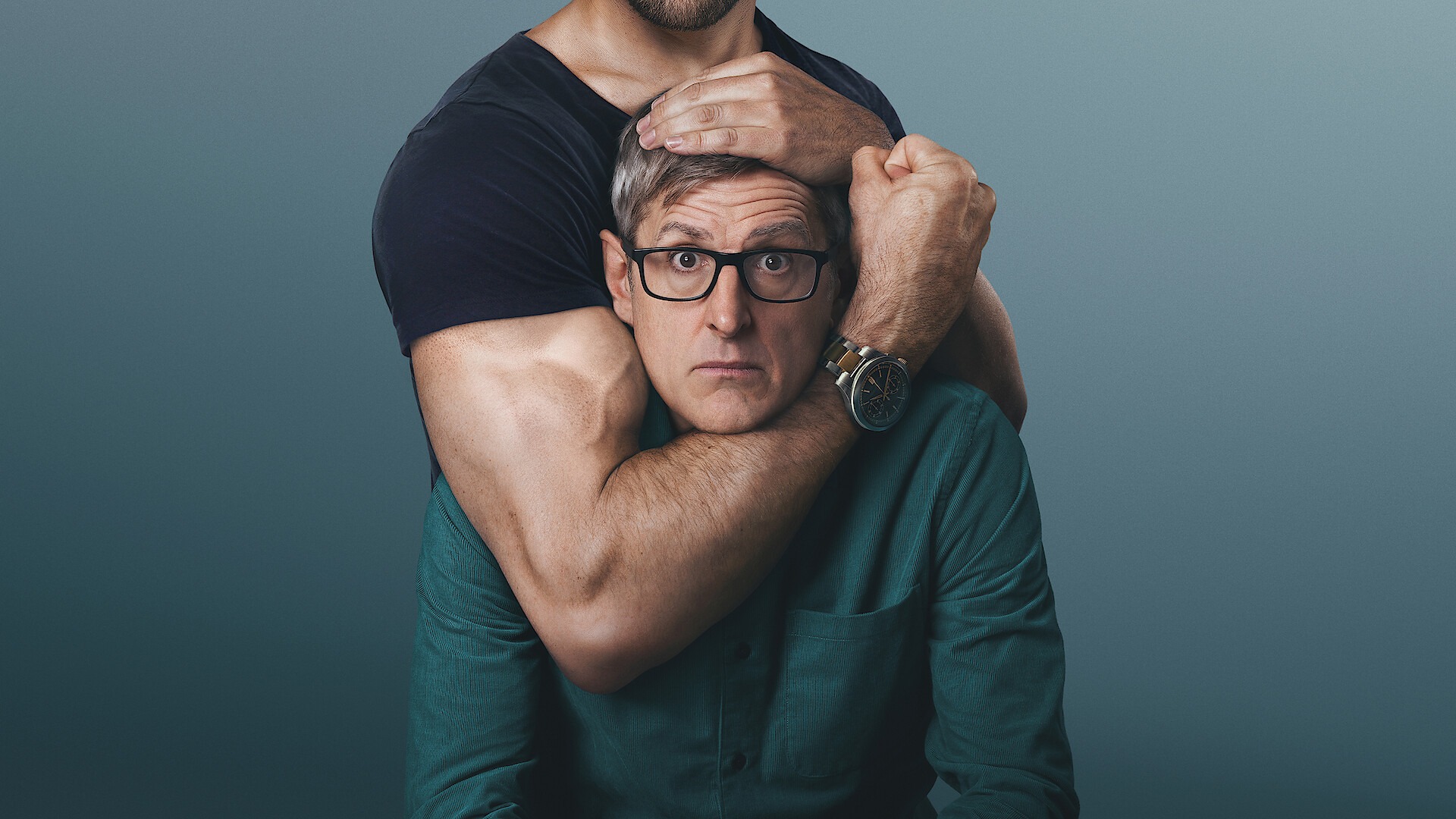
If you haven’t seen it, you’ve definitely heard of it. Louis Theroux’s latest documentary, “Inside the Manosphere” was released on Netflix last month, and it was…revelatory to say the least. There’s been worldwide coverage on what this showed us about the manosphere, from covering its contents to critiquing them, but let’s have a discussion about the aspect of it relevant to this section: The Podcasts.
It’s easy to tell that it isn’t exactly “fresh” in what it advocates for
In the documentary, we saw none other than Myron Gaines, co-host of the “Fresh and Fit” podcast. We see clips of the podcast played in a disturbing montage with its introduction, and it’s easy to tell that it isn’t exactly “fresh” in what it advocates for.
Misogyny, after all, is one of the oldest things out there.
the co-hosts often invite women (…) for no better reason than to berate them
On “Fresh and Fit,” the co-hosts often invite women, usually influencers and content creators, onto the show for no better reason than to berate them. They are repeatedly insulted, ridiculed based on haphazard, arbitrarily designed “tests” of their physical and mental traits, and are degraded for having autonomy.
Their audience is usually egging them on, joining in to gang up against the women. They claim to do this to spread traditional values, not out of the hatred of women, but rather out of “love” for them.
“I’m not a misogynist. Misogyny is the hatred of women. I actually love women so much, I understand them, and therefore I know what’s best for them,” he said to Theroux.
The laughability of his views needn’t be dwelled upon for much longer, in this context. What should be examined, however, is the platform that these views get perpetuated on.
Anyone can have a podcast these days. With the barriers being broken down (https://theconversation.com/podcasting-was-once-a-rebel-medium-for-diverse-voices-now-its-slowly-being-consumed-by-big-media-252169) in terms of accessibility to an audience and equipment, it can be a boon and a bane. You can talk about anything you love, whether it be film or TV or internet drama.
A huge problem is the sensationalisation of outrageous statements made in podcasts
Unfortunately, a lot of people love misogyny.
A huge problem is the sensationalisation of outrageous statements made in podcasts such as “Fresh and Fit.” So many podcasters are not above making bigoted claims (https://www.independent.co.uk/voices/shxtsngigs-racism-misogynoir-black-women-andrew-shulz-b2614931.html), usually about women or people from ethnic minorities, to get clipped and go viral on short-form social media platforms. It’s exactly how dangerous people like Andrew Tate and now Myron Gaines have come to amass huge fanbases.
I say dangerous because of many reasons. The most obvious one is that Andrew Tate along with his brother have been facing charges (https://www.bbc.co.uk/news/articles/ckg41g1140po) for sex trafficking. So accessibility to having a podcast made men look up to alleged sex traffickers as role models, and their “gospel” was spread far and wide.
Another way is that it gives podcasters the confidence to spread problematic views to the real world as well. Earlier this year, Myron Gaines (https://www.michigandaily.com/news/podcast-influencer-myron-gaines-debates-students-spreads-antisemitism-misogyny-and-racism/#:~:text=Myron%20Gaines%20is%20a%20far%2Dright%20men’s%20rights,societal%20roles%20*%20Performing%20a%20Nazi%20salute) set up a tent at the University of Michigan, spreading all sorts of hateful rhetoric against women, queer people and, of course, ethnic minorities.
at what point do we start deeming free speech as hate speech?
Instances like these tend to beg the question: at what point do we start deeming free speech as hate speech?
While there has been increased discourse about this specific question lately, especially with the assassination of Charlie Kirk, there is no doubt that the accessibility of starting a podcast has increased the promotion of right-wing views and hate-speech on the internet.
Depressingly, the burden of uncovering the veils of jargon and false statistics falls onto the common consumer of content, who may not necessarily know better.
Comments