Triumph and hopelessness: Why are we so obsessed with dystopia?
When readers across the world grow used to international headlines increasingly descending into radical rhetoric, and the current state of the climate provides the ever-looming threat of disaster, who can blame them for seeking out stories of those who spark change and succeed?
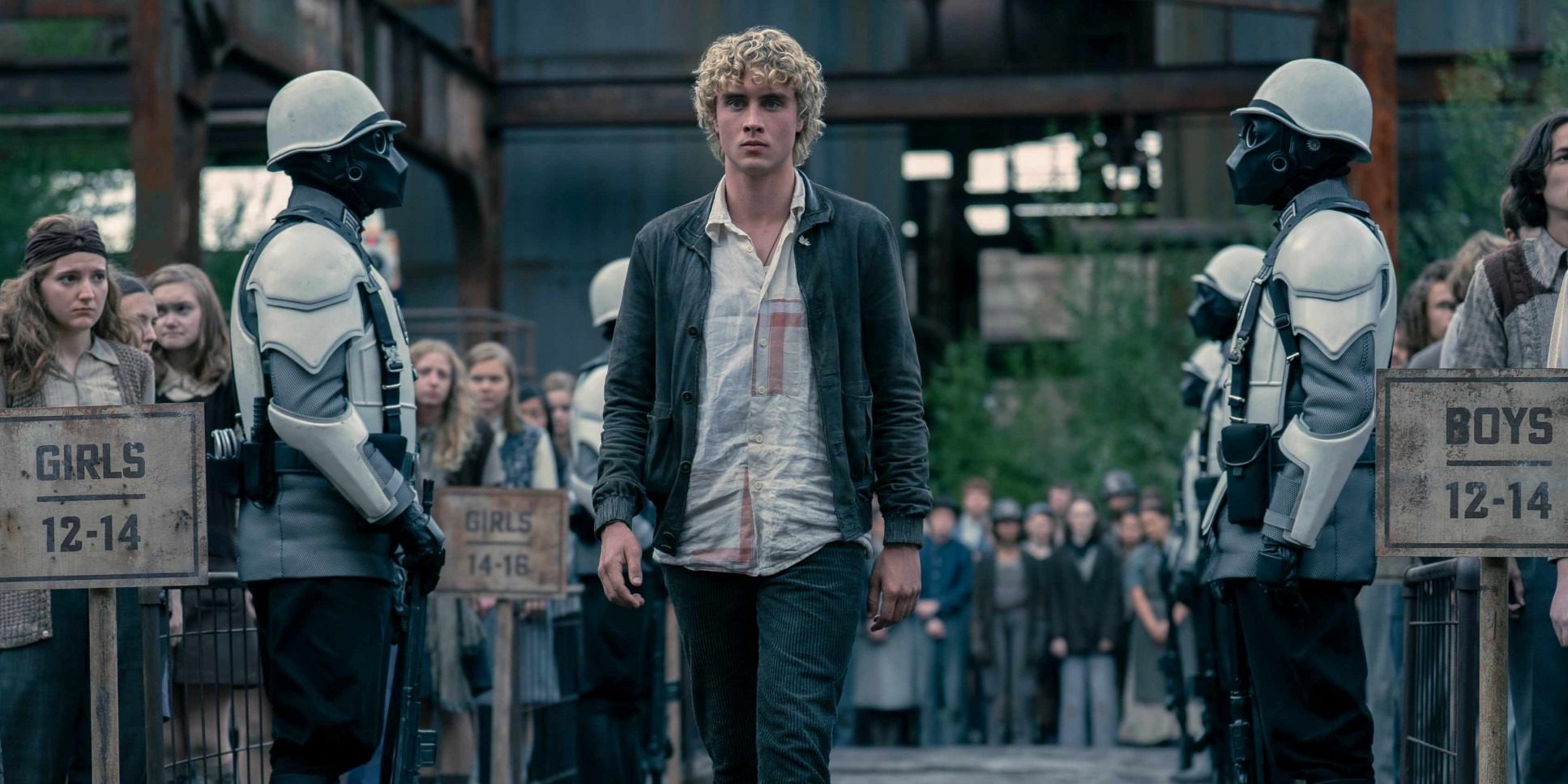
The genre of dystopia is undoubtedly amongst the most popular literary genres, with people from all ages and backgrounds choosing to read such books. With the upcoming cinematic adaptation of Suzanne Collins’ Sunrise on the Reaping, this genre continues to heighten public anticipation.
Within the fictional worlds of those such as Katniss Everdeen, Tris Prior, and Offred, an undercurrent of courage exists, and serves as a gleam of hope. Particularly for many of us who find ourselves relating to the thematic feelings of fear and dissatisfaction, due to the state of the modern world. However, the question of why we find ourselves so obsessed with the dystopia genre remains far more ambiguous, when one considers those dystopian novels in which there is no clear-cut moment of the oppressed overcoming their oppressors.
It can be seen that in most cases, some kind of triumph over evil is achieved, granting us a well-needed escape
An interesting distinction can perhaps be made between dystopian novels aimed towards Young Adult readers (YA), and those aimed at an older audience. This distinction can possibly work towards gaining a better understanding of why we are so drawn to dystopian literature. Within YA dystopian novels, aimed at younger readers, there appears to be a custom of concluding the text with a so-called “happy ending”. Although, that doesn’t mean that the novel is devoid of devastating moments (Suzanne Collins, I will never forgive you for what happened to Finnick).
So, whilst there is not necessarily a cookie-cutter ending to YA dystopia, it can be seen that in most cases, some kind of triumph over evil is achieved, granting us a well-needed escape. However, the same cannot necessarily be said about dystopian literature aimed towards older audiences, such as George Orwell’s 1984 or Jacqueline Harpman’s I Who Have Never Known Men. To me, it seems that within these novels, a happy ending and a triumph over the world-plaguing evil is not guaranteed.
I can suggest that perhaps the appeal of this kind of ending lies in our acceptance of feeling powerless within society
If we accept this as true, based on horrific dystopian instances, such as Winston and the torture by rats in 1984, then what is the mass appeal of dystopia? If we are left without a satisfying conclusion, in which the protagonist we are rooting for finally overcomes the challenges of their time, then why would one still wish to indulge in their tales? Despite the fact that I cannot possibly offer a definitive answer to such a question, I can suggest that perhaps the appeal of this kind of ending lies in our acceptance of feeling powerless within society. In a time in which many of us feel as if all we can do is simply read the news and try to understand the horrors of the modern world, it is comforting to see that feeling dramatised and represented and explored within fiction.
With that being said, if you are someone who enjoys reading, has friends that enjoy reading, or even just someone who spends time online, the chances are that you have inevitably heard of Caro Claire Burke’s novel Yesteryear. Yesteryear follows the character of Natalie who embodies the role of the “trad-wife”. Whilst I won’t get too hung up on the plot of the book, (as you should definitely read it yourself, it is polarising for a reason!), the important distinction is that the ending of Yesteryear unravels all of the confusing elements that were previously unexplained. Burke’s novel stirred up a lot of controversy on social media, and this abrupt ending – which satisfied some and left others disappointed – acts as a perfect testament to my question.
People all over the world are obsessed with dystopia as a concept, as it has the potential to act as a prognosis, to diagnose the disease of society before it becomes too late to recover the rot.
Comments