Too much of a good thing: Superhero fatigue
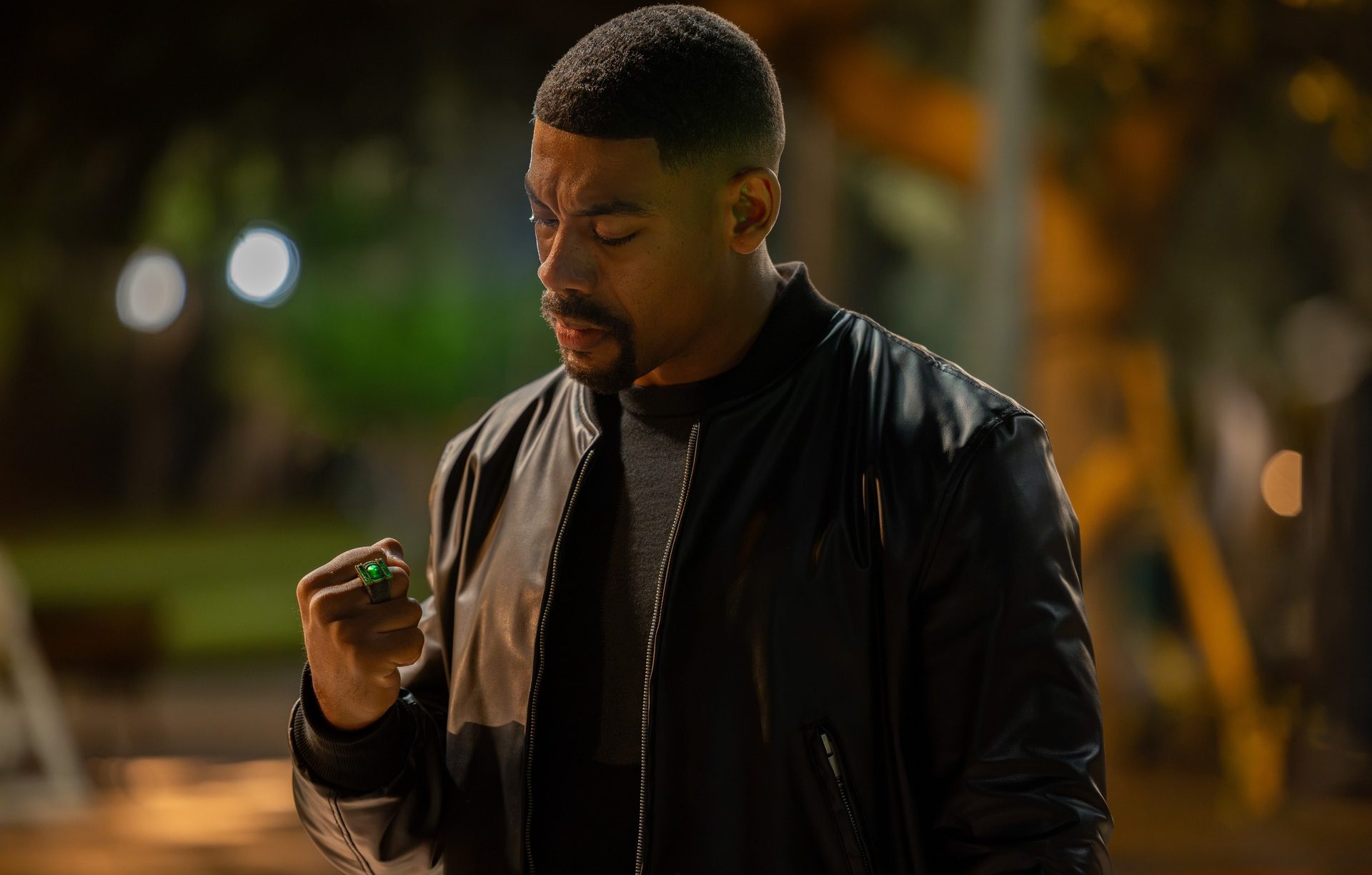
Too much of a good thing is true of all in life, but only superhero stories obtained their own term for such a situation, termed “superhero fatigue.” As superheroes within cinema decline, the MCU no longer an uncontested juggernaut, and DC building momentum with scant breakout success, television has become a new superhero. Critical and audience acclamation is often lavished upon HBO shows such as Lanterns or The Penguin, both superhero stories focusing less on blockbuster than introspection. Meanwhile some of Marvel’s own forays into television have recently concluded, Wonder Man and Spider-Noir, displaying the inevitability of cancellation for media that does not meet viewership in the streaming era, no matter its critical acclaim. Despite the medium allowing for greater exploration and time with characters, the sustainability and viability of the silver screen faces questions of budget constraints and mass appeal.
While Hollywood was dominated by superheroes for the better part of a decade, it is often forgotten that television accomplished its own connected universes alongside. The CW’s “Arrowverse”, originating in 2011 thrived alongside the competition’s cinematic giant, concluding in 2023. Meanwhile, Netflix experimented with a connected Marvel television universe with The Defenders. While Marvel’s foray into television was cannibalised by its cinematic sibling in 2019, the “Arrowverse” simply withered away. Already that which the MCU garnered so much praise was done simultaneously within television, a medium which housed successful superhero shows such as Smallville or Heroes years before the MCU.
Unfortunately, the MCU’s ventures into TV have ensured similar issues to that of cinema. The interconnected nature, while providing a sense of evolution within the narrative world, is ultimately a gatekeeping mechanism as viewers require constant catching up and cannot simply view a singular series. This issue of maintenance that has plagued the MCU since Endgame is not a microcosm of the cinematic format, but rather an issue of adapting a connected universe within a live-action or time constricted media format.
Critical acclaim does not appear to be an issue for the future considering recent superhero projects
While Marvel’s foray into television started with critical acclaim, it has rapidly declined with projects such as Secret Invasion having a ballooned budget of over $200 million but poor critics ratings. Projects like Wonder Man or Spider-Noir had potential for years worth of stories, but were cut short due to being too expensive, a symptom of television generally, but especially applicable to the superhero genre. While superhero television permits greater narrative freedom and exploration, pressures remain upon appeal to the mainstream.
For years the assumption was of cinema’s superiority regarding superhero media, the budget of Hollywood productions ensuring an adaptation of bizarre powers and the zaniness that accompanies such projects. However, this power balance has been inverted as TV budgets rise to match or even surpass that of cinema, as seen through the recent rumours of Lanterns reaching close to $200 million. This is not to say that superhero stories cannot be achieved without such budgets, Smallville did so for the better part of a decade, but when necessitated powers of comic insanity can be displayed without impacting immersion, it is preferable.
Critical acclaim does not appear to be an issue for the future considering recent superhero projects. The Penguin was nominated for 24 Emmys and won eight, including Cristin Miloti for Outstanding Lead Actress in a Limited Series. While award shows often receive questions of validity, it is still a testament to the show’s quality in its recognition. The question around these “prestige” superhero shows is their devotion or accuracy to the comic-book genre, in reality displaying very little of the standard superhero tropes. Lanterns only teases the cosmic exploration of the comics, providing glimpses of a classic superhero suit and no outlandish designs for its villains like Manhunter. Likewise, the Penguin remains as sadistic and manipulative as his ink and blot inspiration, but the iconic monocle and top hat are spurned, remaining only the crooked nose and surname of Cobb.
It is inevitable for audiences to experience some amount of fatigue
There is a dissonance between the expectation of “prestige television” grit and nuance within its characters, and the bizarre and extraordinary aspects of superheroes and the culture surrounding them. The juxtaposition between the magical, often bizarre elements and the crime, detective aspects can be seen in Lanterns, The Penguin, or Wonder Man. Despite the immense critical success of these aforementioned series, they deny an accurate adaptation of colourful absurdity that comic books or graphic novels contain.
It is inevitable for audiences to experience some amount of fatigue, with the entire world dominated by a cultural phenomenon for the better part of a decade. The question now is no longer how to simply provide but rather how to innovate and improve beyond the stereotypical “superhero story.” Television’s variety in format and delivery is what allows it to be a greater medium for modern superhero stores, its increased runtime potentially granting a greater depth, akin to their comic book origins. Fatigue is therefore not for the heroes or spandex, but the media that is incapable of providing the nuance or complexity the stories deserve.
Comments