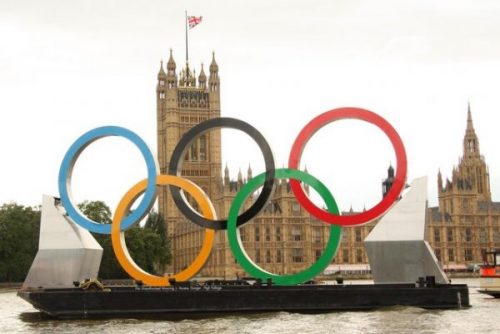
The Northern Olympics: Sporting legacy or expensive liability?
The North of England could soon be home to one of the world’s biggest sporting events, with the government setting aside £7 million to investigate a potential Olympic and Paralympic bid for the 2040s.
However, with public services under pressure and the cost of living still bearing down on the nation, is an Olympic Games really the best way to invest in The North?
Lift communities, create opportunities and give the UK a huge boost
With the nostalgia of the London 2012 Games continuing to capture public imagination more than a decade on, the proposal has received significant support. Chancellor John Healey has argued that hosting the Games would “lift communities, create opportunities and give the UK a huge boost”. PM Andy Burnham has also expressed excitement about the “greatest show on Earth” providing opportunities across the country. Hosting the Olympics would encourage investment in sport venues, transport links and wider infrastructure, creating jobs and attracting tourists. More importantly, it could help address the longstanding imbalance in sporting investment between London and the rest of the country. For a region with a strong sporting identity facing significant inequalities in facilities and opportunities, the prospect of hosting the Games is tempting.
The proportion of adults participating in sport at least once a week actually fell from 36.9% in 2012 to 35.8% in 2015
Unfortunately, it is not all positive. While London 2012 demonstrated that Britain can successfully host a major international sporting event, its sporting legacy was less convincing. According to a 2023 House of Commons Public Accounts Committee report, the £8.8 billion Games failed to deliver the promised increase in grassroots participation, despite delivering economically. The proportion of adults participating in sport at least once a week actually fell from 36.9% in 2012 to 35.8% in 2015. New stadiums and world-class facilities are valuable, but mean nothing to communities if locals can’t afford to access them and facilities are left underused once the Games have finished. With England having lost 500 swimming pools since 2010, maybe the priority should be investing in sporting facilities communities already rely on, rather than building new ones for a fortnight of competition.
There is also the question of whether the North can afford such an ambitious project. With local authorities already facing financial turmoil, committing billions to an Olympics could prove very difficult to justify, especially after HS2’s 2023 cancellation in the North left much to be desired, despite billions already spent on the project. An influx of thousands of athletes, officials and spectators would place considerable pressure on transport networks, accommodation and public services that already struggle to meet local demand.
A Northern Olympics could be an opportunity to put the region’s stamp on global sport
Nevertheless, there is reason to be optimistic. Bolton-born Jason Kenny, Britain’s most decorated Olympian, has backed the prospect of a “box office Games” in the North. With the right investment and planning, a Northern Olympics could be an opportunity to put the region’s stamp on global sport, and leave something meaningful for the next generation, as it did for 6-year-old me in London 14 years ago.
Comments