The Body controversy: Blasphemy and censorship
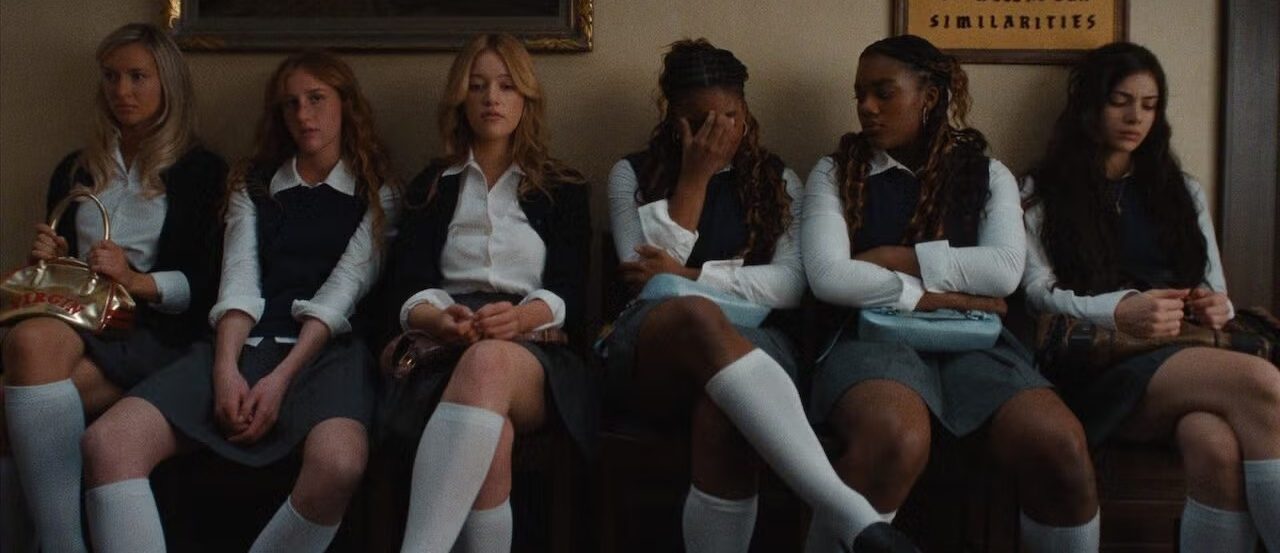
Netflix’s new hit show The Body, depicts a Catholic high school dance team performing a mock Satanic ritual in which they offer one of their classmates as a virgin sacrifice. When Grace falls into a coma, the girls begin experiencing pseudo-prophetic visions which create mass hysteria within the school and community. The show has received both immense praise and hostile backlash due to its content. Before the show’s release, CitizenGO launched a petition urging Netflix to prevent it from entering Christian homes. At the time of writing, it has attracted 153,641 signatures. The description reads: “Netflix has just sent something into Christian homes that no parent would ever invite in”. So, at what point should a line be drawn between the freedom of creative expression and limiting viewership on controversial themes?
Television notoriously acts as a mirror to society, and the freedom of creative expression is integral to how we as humans function. Exploring complex themes through fictional narratives has existed throughout human history, from literature to cave paintings. Being able to express these thoughts and perhaps, uncomfortable themes is vital to sparking meaningful public discussion and creating deeper understandings of the world around us. Producing art based on these issues doesn’t make them go away; it simply sheds light on them. Ultimately, the type of content you engage with is at your own discretion; no one is forcing you to watch anything that makes you uncomfortable. The argument can then be introduced that censoring ideas because they may offend certain groups is against free speech. The ability to question or critique social structures such as religion is integral to a democratic society. Artistic integrity must also be considered, as restricting sensitive subjects can dilute the cultural impact of storytelling. Before the show’s release, Shephard, who said she “has never been an atheist”, told Variety the work environment of The Body was “very faith positive but system critical”.
Could establishing clearer boundaries around controversial themes benefit the television industry? Critics of unrestricted content argue that mocking or misrepresenting sacred symbols can cause genuine distress to religious communities. As the CitizenGO petition highlights, television enters private homes and remains accessible to children. Many viewers therefore expect appropriate content classifications and warnings to protect younger or unsuspecting audiences. It is worth noting that The Body is classified for viewers aged 15 and above, meaning that restrictions are already in place. Although streaming platforms have a responsibility to provide appropriate age ratings and parental controls, they cannot ultimately replace the responsibility of parents and viewers to decide what enters their homes.
Critical acclaim does not appear to be an issue for the future considering recent superhero projects
There is, of course, a distinction between the right to express offence and the expectation that something should be censored because of it. Religious viewers are entitled to criticise representations they consider disrespectful, just as creators are entitled to challenge religious institutions through their work. Nevertheless, allowing one group’s interpretation of what is offensive to determine what everyone else can watch risks creating a culture in which artistic expression is dictated by the most readily offended.
Criticism of a programme should be welcomed as part of public discussion, but disagreement alone should not become grounds for restricting creative freedom. In 2019, more than 20,000 people signed a petition to cancel the series Good Omens, claiming it mocked God and normalised Satanism. However, protesters mistakenly addressed their petition to Netflix rather than Amazon, which produced the series; Good Omens went on to have a second and third season. This demonstrates how fictional representations of religious figures can provoke strong reactions without necessarily causing tangible harm.
Ultimately, I believe the controversy surrounding The Body has been blown out of proportion. Television should not be expected to accommodate every religious interpretation or belief, particularly when doing so would restrict the ability of creators to question established institutions. This does not mean that television should be entirely without boundaries, but that those boundaries should be concerned with encouraging viewers towards enacting genuine harm rather than simply offending them. The line should arguably be drawn not at the point where content becomes offensive, but where it begins to inspire real-world harm. Depicting Satanic rituals, questioning religious authority, or satirising Christian traditions should not automatically be considered unacceptable. However, deliberately encouraging hostility or violence towards religious communities is a different matter. Perhaps the real question isn’t whether television should be allowed to offend, but whether we are becoming increasingly uncomfortable with the idea that art doesn’t always have to reflect our own beliefs.
Comments