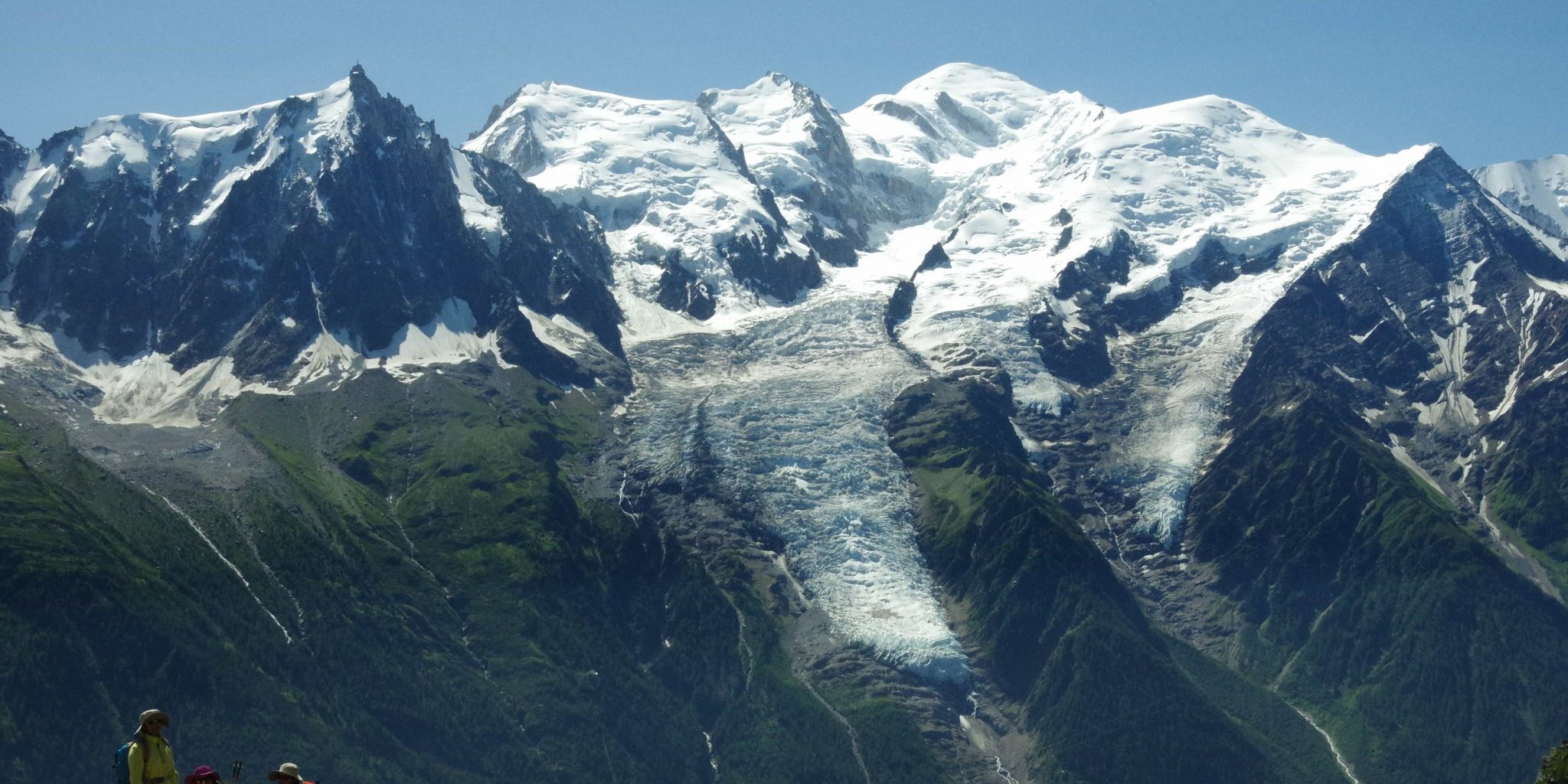
Switzerland has lost 5% of its remaining ice in the last year
Switzerland’s glaciers have suffered yet another year of alarming levels of ice loss, with 5.5% of the country’s glacial ice being lost in the first eight months of this year according to Glacial Monitoring Switzerland’s 2026 report.
MeteoSwiss, Switzerland’s Federal Office for Meteorology and Climatology, reported that 2026 was the hottest and driest summer the country has experienced since its records began in 1864. The warming of the atmosphere due to the heat-trapping effects of fossil fuels has caused periods of extreme heat in summer and variable snowfall in winter in recent years, which have noticeably exacerbated the melting rates.
Switzerland has already lost more than 1,000 of its smaller glaciers
Glaciologist Matthias Huss, the leading author of this year’s report, said this was “a complete explosion of these melt rates, leading to the disintegration of glaciers. [The glaciers] are really just falling apart.”
Previously, a 2% loss in ice volume over a year was considered extreme, but annual rates of reduction are now consistently exceeding 4%. Such rapid loss of ice no longer comes as a surprise to the glaciologists who monitor Switzerland’s 1,400 glaciers, but the long-term impacts will prove to be a significant environmental shock. Glaciers play an indispensable role in regulating streamflow to rivers and lakes downstream, providing drinking water for more than 2 billion people worldwide. This water is also important for irrigation in agriculture, energy production, and sustaining marine biodiversity. Crucially, glacial melting contributes significantly to global sea rise due to the sheer volume of water glaciers contain; when this ice melts, it drastically increases the risk of coastal flooding and even avalanches.
The work by glaciologists at Glacial Monitoring Switzerland revealed that the country has lost 19.4% of its glacial ice since 2021. The effects of climate change are undeniable; the ice volume lost between 2022 and 2023 was the same as the amount lost over the 30-year period between 1960 and 1990. Dr Huss said in an interview in 2023 that Switzerland has already lost more than 1,000 of its smaller glaciers, with the “bigger and more important glaciers” now at risk of following suit.
Glaciers […] are a litmus test for the ways our world is already responding to climate change
Dr Huss labels glaciers the “ambassadors of climate change” because of how sensitive they are to global temperature changes. As has become clear with such drastic ice reduction this year, glaciers in Switzerland and all over the world are a litmus test for the ways our world is already responding to climate change.
Comments