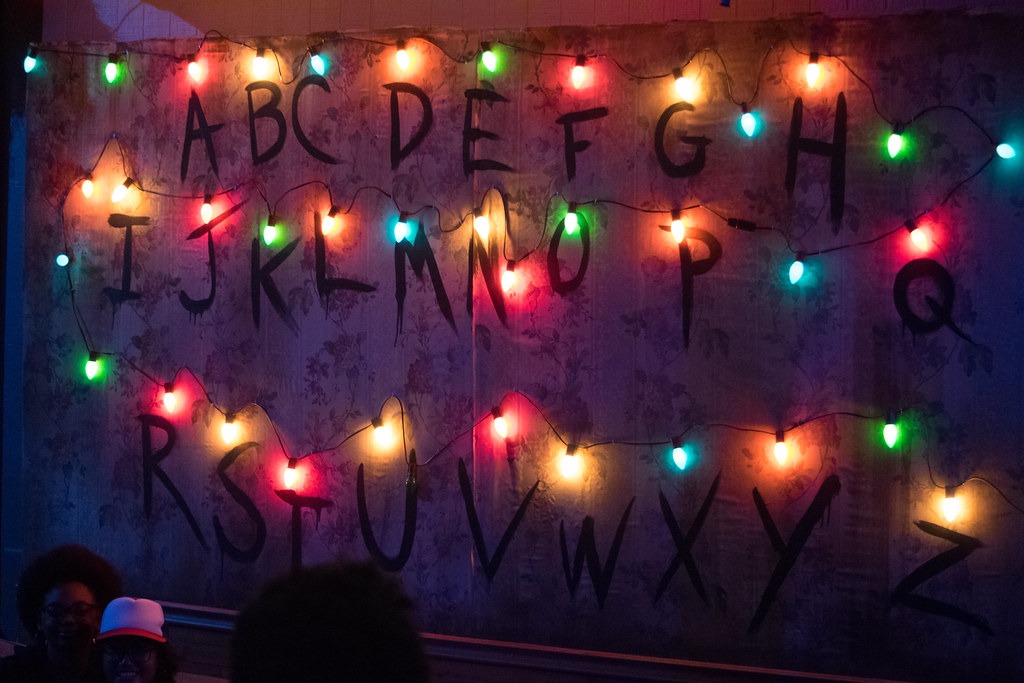
Stranger Things Other Worlds: Are we outstaying our welcome in Hawkins?
Since its debut in 2016, Stranger Things has become one of Netflix’s most recognisable and beloved original series. Its combination of nostalgic 1980’s aesthetics, lovable characters and nightmarish supernatural creatures have captivated audiences worldwide. However, with Netflix announcing the prequel Other Worlds, set in 1955, it’s worth questioning whether Hawkins is beginning to outstay its welcome.
The announcement follows an already extensive expansion of the franchise; including the stage play Stranger Things: The First Shadow and the animated spin-off Stranger Things: Tales from ’85. With more stories being told beyond the original series, audiences are questioning if these additions are enriching a fascinating fictional world, or if we are witnessing the dilution of something special. Understandably, we are apprehensive about spin-off series, especially of cult classics. Stranger Things: Tales from ‘85 has already come under scrutiny, with arguments saying that it’s lost the classic horror elements that made the original show so distinctive, and instead feels like a commercially motivated attempt to capitalise on the franchise. Personally, I’m quite apathetic towards it; it was neither good nor bad. As a massive Stranger Things fan, I would enjoy anything set in the general universe of the show, but this animated series was ultimately rather unremarkable.
Audiences are questioning if these additions are enriching a fascinating world, or if we are witnessing the dilution of something special
Wider TV prequels and spin-offs tend to follow a similar trend, with audiences often regarding the original as the definitive version of the story. For others, an expansion of the world and characters that they love so dearly is often a welcome experience. Twin Peaks: Fire Walk with Me, for example, was initially met with huge disappointment from fans and was maligned by critics for not expanding on the cliffhangers of season two. However, since its release in 1992, it is now more widely regarded as a masterpiece after undergoing massive critical reappraisal. The core story of the show continued in its revival series, Twin Peaks: The Return, in 2017, which garnered huge acclaim from critics.
However, this isn’t always the case. Ravenswood (a spin-off show of Pretty Little Liars) followed Caleb as he became entangled in a town of supernatural secrets. It only lasted for one season before Caleb returned to Pretty Little Liars, with the show being cancelled due to low ratings. The series struggled to maintain the appeal of its predecessor, shifting away from the grounded stalker and murder mysteries in Pretty Little Liars towards supernatural horror involving ghosts, curses and spells.
Simply replicating the original’s forumla can make a spin-off feel redundant
Public opinion on prequels and spin-offs remains divided, with audiences often viewing them as either safe commercial ventures or exciting creative opportunities. Such scepticism is understandable, particularly when these projects appear to reflect streaming services’ increasingly risk-averse approach to television production. A great spin-off allows writers to explore a fictional universe in more detail or perhaps shift focus to a secondary character. However, when this is done badly, it is often seen that the quality of the main storyline has been reduced, and fans are left with fatigue. Their success depends on execution. Simply replicating the original’s formula can make a spin-off feel redundant, while straying too far from its established tone risks alienating the very audience it hopes to attract. But the opportunity for expansion does provide a comforting, nostalgic return to an established fictional world, especially as it offers a pre-tested audience.
Ultimately, I don’t think spin-offs and prequels inherently damage the legacies of the shows that they originate from. They have the potential to expand on fictional worlds and explore new perspectives that the original show may not have considered. However, there is a fine line between expanding a fictional universe and exhausting it. With Other Worlds, the danger lies in stretching a once self-contained story beyond its natural lifespan. Nevertheless, I think Other Worlds has the potential to be one of the more interesting additions to the franchise. Setting the series in 1955 offers an opportunity to explore Hawkins decades before the events of the original, potentially uncovering the town’s history and the origins of its supernatural disturbances. However, there is a risk that explaining too much of the mythology could strip away the mystery that made Stranger Things so compelling in the first place. It needs to offer something genuinely new, rather than simply relying on nostalgia and the popularity of the original show. Sometimes, the best way to preserve a beloved series is knowing when to leave its world alone.
Comments