Performance in TV – better than film?
Television is, arguably, one of the most influential forms of media in the 21st century. However, conversations around performances, I’ve noticed, often gravitate towards movies, for example, the Oscars and their accompanying hype. While award ceremonies such as the Emmys have their place, sometimes it feels like television is underrated in comparison to its big-screen counterpart.
Nevertheless, I would argue that TV, and specifically, actor’s performances within the medium, offers something that the cinema cannot – time. Spanning across multiple episodes and seasons, TV actors have the time to develop their character arcs, allowing for more nuanced performances that extend far beyond a singular awards-worthy moment.
The Good Place
NBC’s The Good Place has cemented itself as a classic sitcom, set in an afterlife ‘heaven’ called ‘The Good Place’, where self-proclaimed ‘Arizona dirtbag’ Eleanor Shellstrop, played by Kristen Bell, realises she does not belong due to her actions on Earth. As a result, she begins to seek out an education in moral philosophy, from an anxious yet loveable ethics professor, Chidi Anagonye, played by William Jackson Harper.
This is facilitated by Bell and Harper’s phenomenal performances throughout the show
This friendship, turned relationship, over the course of four seasons, forms a key part of the show’s easy-going comedy and accessible viewing. Yet, thanks to the narrative arc that spans four seasons and around twenty hours of television, this relationship has turned into one of the most beautiful examples of love in TV history. This is facilitated by Bell and Harper’s phenomenal performances throughout the show, especially in the final season as the two explore their identities in the final stages of their afterlife, culminating in a bittersweet (and tear-jerking) ending.
Yellowjackets
Yellowjackets is an American drama that follows a women’s high school football team after their plane crashes in the wilderness, and they subsequently struggle for survival. This is presented alongside a parallel storyline of the survivors 25 years later.
Yellowjackets has already cemented itself as an “instant cult classic” according to Pitchfork, and has developed a dedicated fanbase, due to its iconic needle drops and horror motifs. However, the performances within the show remain deeply unrecognised.
It is the format of the TV show that allows Shauna’s character to reach this full emotional depth
This is evident through the work of Sophie Nélisse, who plays young Shauna Shipman, an angry, pregnant, teenager whose performance arguably peaks in the episode ‘Qui’, where she gives birth in the wilderness, and her baby son, tragically dies after a hallucination sequence. Nélisse’s performance of shock, horror, and eventually pure grief, is haunting to watch, yet utterly captivating as the episode fades to black with her sobs.
It is the format of the TV show that allows Shauna’s character to reach this full emotional depth, as the fear and anticipation of the pregnancy, as well as her love for her future son, has been building since season one. Therefore, Nélisse’s performance of anguish and desperation at his death, is felt with the audience, who have been waiting in suspense (for over a year) to find out the fate of her baby.
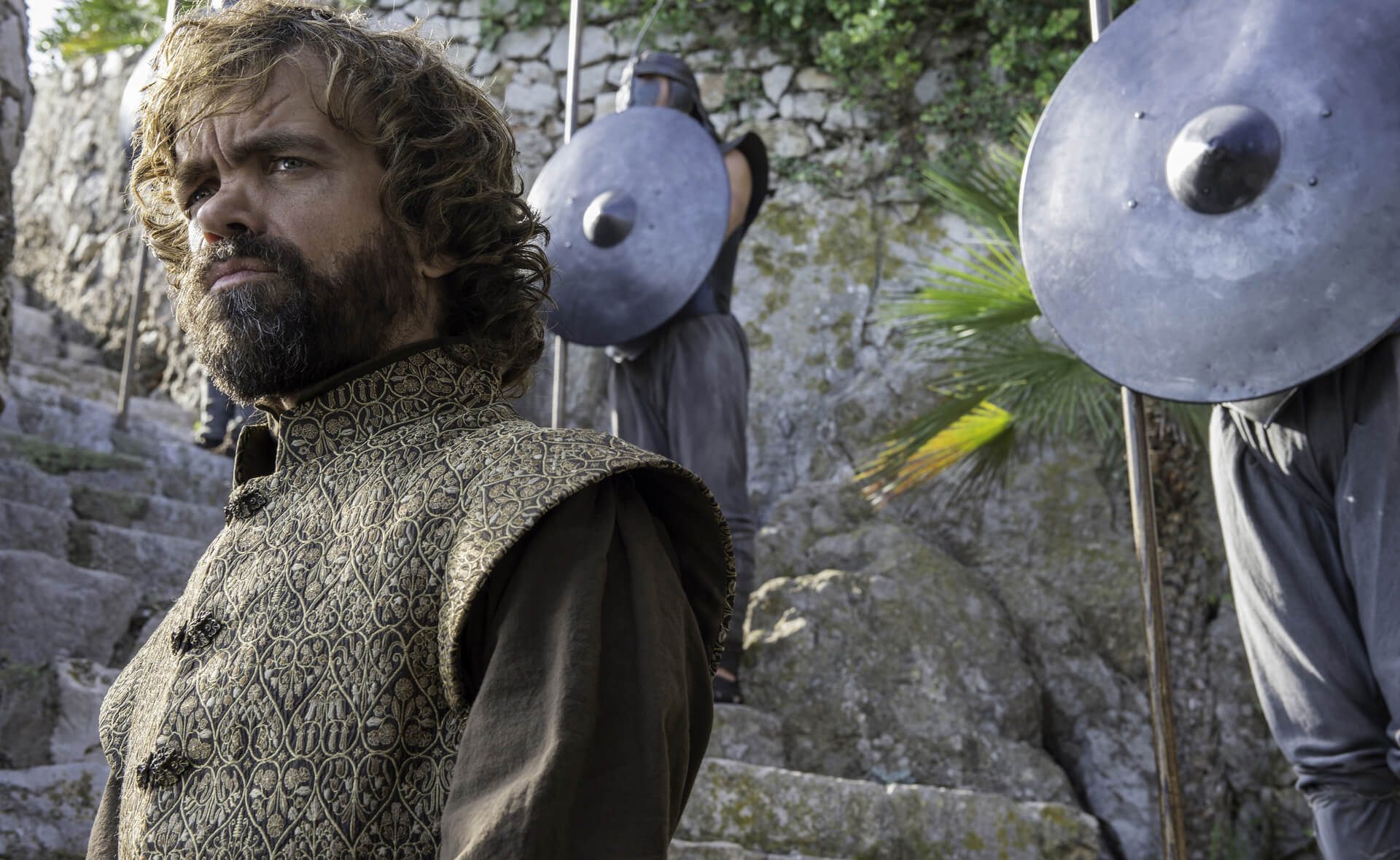
Game of Thrones
HBO’s Game of Thrones is easily one of the most famous TV shows of all time, iconic for its high-fantasy backdrop, legendary plot twists, and shock value. However, it is arguably truly made by the quality of the performances within it.
These are key examples of the complexity of characters that the hour-long episode format allows its audiences to grapple with
These are often only praised for specific moments of excellence, such as Peter Dinklage’s performance as Tyrion Lannister on trial in ‘The Laws of Gods and Men’, as opposed to the astonishing changes in character delivered by the actors over the course of the show. To me, this web of characters, and their constantly changing allegiances, emotions, and ideas, is what makes the show as successful as it is and is only made possible through the TV format.
The change from Sophie Turner’s excitable, yet gullible demeanour as Sansa Stark into a guarded, powerful Queen by the end of the show would not have been possible with the time constraints of a movie. Nor would the changing character of Jamie Lannister, performed by Nikolaj Coster-Waldau, whose performance delves into the inner psyche of a corrupt warrior, struggling with a sense of morality in the face of his own depravity. These are key examples of the complexity of characters that the hour-long episode format allows its audience to grapple with.
Comments