More than geese: Who calls our campus home?
At Warwick, we are lucky to have nature on our doorstep. Whether you are taking the scenic route to your lecture, eating lunch on a bench or staring out of your Rootes window, wildlife can be found in every corner of our campus. From lakes teeming with waterbirds to ancient woodland carpeted in bluebells, Warwick is home to a surprising variety of habitats and species.
One of the campus’ greatest assets for wildlife is its cluster of lakes – Heronbank, Tocil and Lakeside. Many of us walk past them every day on our way to and from our accommodation. Lakes and their surrounding vegetation provide food, shelter, and breeding habitats for a wide range of species. Tocil Lakes is a particular favourite of mine; it was my haunt in my first year, when I lived in Old Rootes. It is a great place for a relaxing stroll along the water, with many benches to stop at. Once you take a moment to sit and watch, the lake comes alive with activity. Some brilliant species can be spotted, including goosanders, grey herons, yellow wagtails, little grebes and tufted ducks. The ‘Charms’ of goldfinches, other small birds and squirrels can be spotted in the surrounding scrub and hedgerows. If you are incredibly lucky, you might even see an otter – they have been recorded on camera in the area.
In spring, the lake banks at Warwick are covered in new life, including baby rabbits and adorable, fluffy goslings (alongside their not-so-adorable, very protective goose parents!). Heronbank and Lakeside are well known for their abundant and charismatic populations of geese. The flocks usually consist of Canada geese and Greylag geese, two distinct species who tolerate each other’s company. Many students may find themselves getting a rather unwelcoming response from the geese – a hiss, or sometimes even a charge – if they venture too close. But, from a distance, these birds are friendly and full of character, even if they do ambush you while you’re trying to eat your sandwich! The geese are a definite feature of Warwick, and arguably our rightful university mascot.
A must-see is the Tocil Wood Nature Reserve, which includes ancient woodland, wetland, and meadow
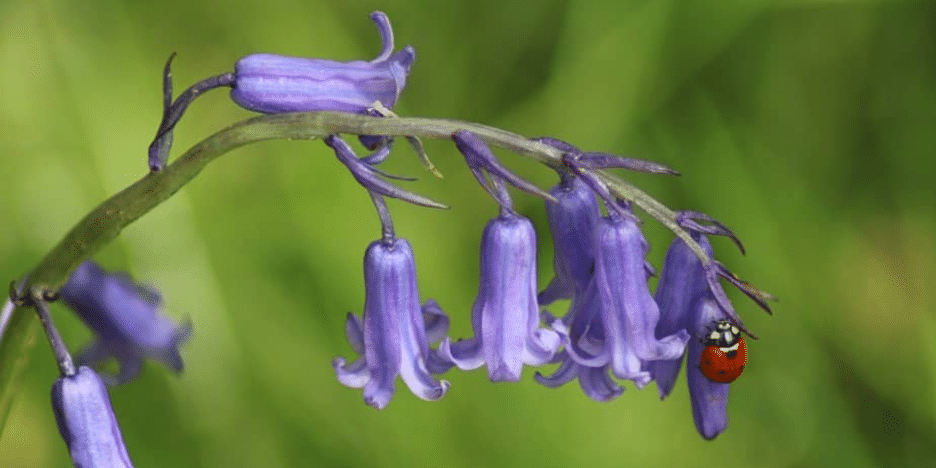
Beyond the lakes, the campus also boasts many other green spaces. A must-see is the Tocil Wood Nature Reserve, which includes ancient woodland, wetland, and meadow. In spring, the woods are filled with vast swathes of bluebells, interspersed with other woodland flora including wood anemone and dog’s mercury. Overhead, the canopy is filled with the twittering of many different bird species, including jays, woodpeckers, flocks of tits, migrant warblers, and the rather exotic ring-necked parakeet. The woodland changes as we move through the seasons, but autumn is no less colourful than spring. Autumn brings a beautiful display of auburn leaves, winter migrant birds, and a carnival of fungi on the woodland floor. Look out for iconic fungus species including the beefsteak fungus and the stinkhorn (best viewed from a distance!).
Aside from vast green spaces, nature can be found across all areas of campus – sometimes in places you wouldn’t expect! For example, near Old Rootes, there is a patch of grass that has a wonderful display of bee orchids in early summer – wildflowers which mimic the appearance of a female bee to ensure their pollination by attracting male bees, who attempt to mate with them. A variety of pollinators visit the campus’s floral displays, including the striking hummingbird hawk-moth – perhaps the most impressive due to its ability to reach a wing speed of 85 beats per second when hovering to feed. Cryfield Meadow near the Sports Centre is a particular hotspot for insects, due to its abundance of plant species. Many of the roundabouts on campus also boast vibrant displays of flowers. Warwick makes an effort to plant pollinators, which is wonderful to see.
The campus also has many resident corvids, including magpies, carrion crows, and a colony of jackdaws. These resourceful birds have a habit of showing up where you least expect them – at your feet in the piazza, on lamp posts, and bus stops, and on the window ledge of your seminar room. They are incredibly intelligent, learning the way us students move and using it to their advantage, hoovering up our crumbs and raiding discarded rubbish bags. They can become quite confident with people, often sauntering up to you if you offer them a snack. It is possible to befriend the campus corvids, as they will approach those who feed them, and some species have even been shown to recognise human faces!
So, the next time you walk through campus, take a moment to enjoy your surroundings. Pause by the lakes, listen for birdsongs in Tocil Wood, or see what you can spot among the fallen leaves. You might discover something extraordinary in a place you’ve walked past a hundred times. Warwick’s wildlife is part of what makes our campus special, and by appreciating it and giving it space to thrive, we can all play a part in protecting it.
Comments