Is seat-blocking on the U1 a moral failing?
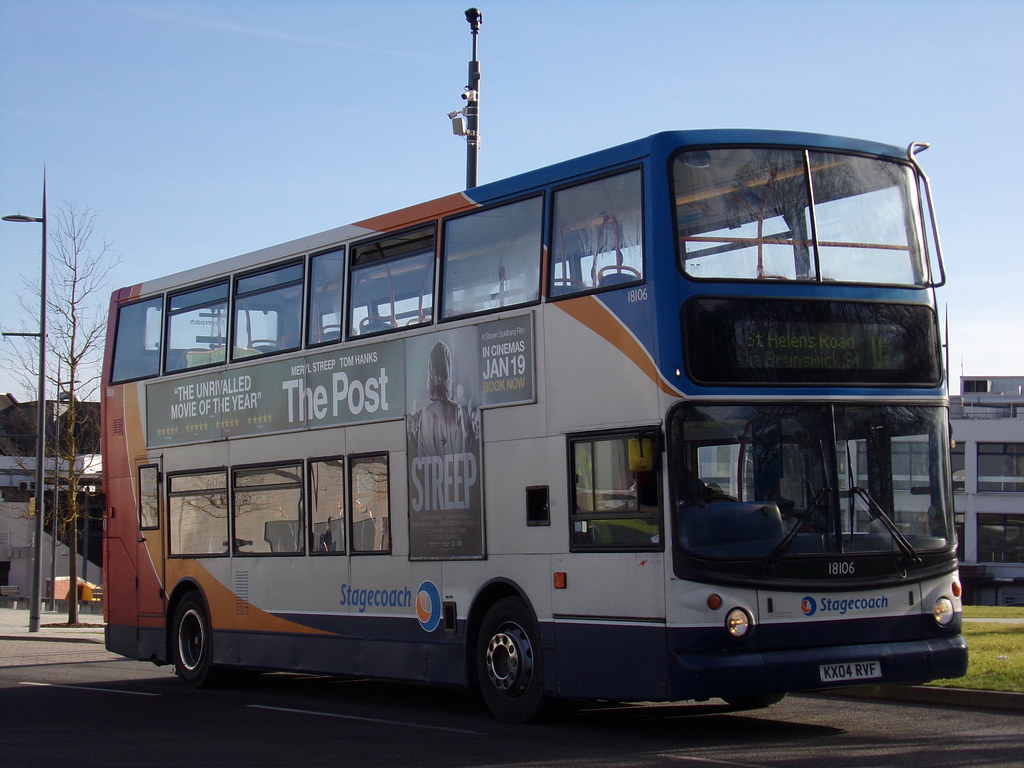
The U1, a bus service that delivers students to and from Leamington Spa and the University of Warwick campus, may be suffering from an epidemic of seat-blocking.
The crowded nature of this particular bus, especially during peak hours, can be insufferable. This is not only because of its crampedness, but because of the lengths individuals go to in order to ensure an empty seat next to them, despite the multitude of passengers cramming themselves through the doors.
A bag next to you, opting for the seat closest to the aisle, even casually draping your legs over the neighbouring seat – these methods are all effective in preventing a stranger from sitting beside you. Perhaps this can be explained by our socially anxious nature as a younger generation, as we fear the mere possibility of an unnecessary interaction: will a stranger initiate conversation if they sit next to you? Maybe they will intrude on your personal space slightly, or you could, devastatingly, be unable to adequately signal that you must move past them to depart.
Is this an excuse to disregard the comfort of our fellow humans, the other unlucky boarders of the U1? I’m confident the Boomer generation would argue this seat-blocking conundrum exemplifies Generation Z’s antisocial and inconsiderate nature as a collective.
Undoubtedly, we have been socialised to fear the ‘other’. Public transport is a strangely anonymous space: though the crowds can mean surveillance, they also enable innocent bystanders of crimes to turn a blind eye, in hopes that some other brave individual will take action. By seat-blocking, we do of course reduce the chance of a stranger stealing our possessions, or worse, assaulting us in some manner.
The seat-blocker also arguably relies on the fear of the stranger, the individual hoping to locate a seat, who is too timid, too accepting, and therefore will not be courageous in asking to sit down in the blocked seat. The psychological dance of avoiding confrontation ensues.
This may largely be an unconscious thought process of the seat-blocker; it is also possible some seat-blockers are possessed by the evil desire to see others suffer. Though we could consider this unlikely, the small percentage of psychopathy in all populations can never be ruled out, statistically.
The Dutch rail operator, NS, has introduced a ban on blocking seats on their service. Dutch News reported that despite seat-blocking ranking “among passengers’ top three irritations”, train users “no longer dare to ask others to move their bags, pointing to shorter fuses and rising aggression generally.” This silent frustration is definitely mirrored in the experience of U1 passengers. Fear not however, if you someday find yourself seat-blocking on a Dutch NS train, you will first be reminded by a conductor of the ban, instead of being fined immediately.
Upon hearing of NS’ new policy, I began to wonder if this is a reform the U1 bus service could benefit from; the English do have an unusual love for clear social rules and regulations, after all.
Second year Warwick student, Jacsen, stated that despite his dislike for the practice of seat-blocking, he fears a ban could take away his “freedom of choosing who sits next to [him] on the bus”. This justifiable apprehension to a potential ban points to a different rationale for seat-blocking: to reserve a space for your friend, who may be embarking at a later stop.
Is the friend of the seat-blocker more worthy of a seat than a lone passenger? And if so, are we then not all created equal in our deservedness of public transport seating?
Perhaps a hypothetical bus seat-blocking ban would have to be lenient, in a similar regard to the Dutch train service’s methods of enforcement. Posters and gentle reminders could arguably work sufficiently in a society where self-surveillance and peer-pressure is similarly effective as the threat of a ban backed by legal procedure.
My sympathies ultimately do extend to the anxious, awkward seat-blockers among the student population of Warwick, and the similar individuals nationwide, as this is definitely not an issue specifically located in the West Midlands. Nevertheless, my admiration and solidarity lies specifically with the stoic standing passengers of the bus, enduring the sad realities of public transport.
Fundamentally, my criticism is of bus services nationally, such as Stagecoach (which operates the U1). Prioritising the profit gained from running minimal buses, knowing their passengers are powerless and have to withstand miserable journeys, is of course a larger issue within our country’s public transport system than the action of seat-blocking.
Comments