Is modern film developing a lack of imagination?
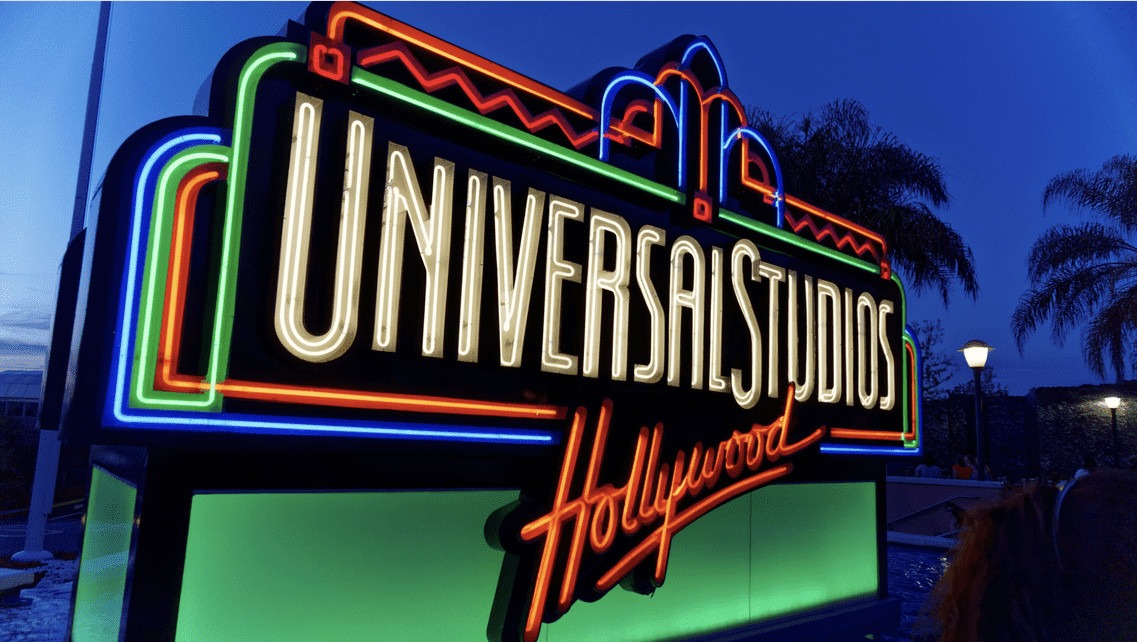
The film industry has seen a significant increase in the development and release of sequels and remakes. A large majority of the production companies driving this trend are among the Big Five: Disney, Universal Pictures, Warner Bros., Sony, and Paramount. These profit-driven studios are focused on making money and securing high box-office returns, rather than supplying modern-day audiences with original cinema.
Look at some of the releases that have come out over the past few years: Avatar: The Way of Water (2022), a sequel to Avatar (2009), one of the highest-grossing films of all time, came out 13 years after the first film. The original left a recognisable legacy in the entertainment industry, but producers also saw an opportunity to cash in on its popularity.
How did the producers achieve such success a second time around, though? Well, they largely profited from audience nostalgia and affection for the original film, ultimately reducing the level of financial risk. The return of original cast members, such as Sam Worthington, Zoe Saldana, and Sigourney Weaver, also meant that fans could welcome familiar actors back to the big screen. These choices help protect the franchise’s identity and minimise the risk of failure at the box office.
It seems that even well-known actresses are tired of Hollywood’s lack of originality
Actress Amanda Seyfried spoke about her opinions on the infamous wave of sequels in recent decades in an interview with Superman cast member Rachel Brosnahan. It seems that even well-known actresses such as Seyfried, despite starring in a successful sequel herself, Mamma Mia! Here We Go Again! (2018), are tired of Hollywood’s lack of originality and aversion to taking risks on fresh ideas.
Remakes are also a prevalent problem in Hollywood, often appearing as a constant turnover of old material in a different font. Wuthering Heights (2026) is a clear example of a familiar story being brought back to the screen. It reimagines the Yorkshire moors, combining a classic period drama with contemporary twists. This allows the production to retain the foundations of the original story while introducing some creative changes. This pleases the established audiences acquired from earlier remakes by keeping the foundational narrative elements to certify a definite profit baseline. Additionally, he inclusion of contemporary actors such as Margot Robbie and Jacob Elordi means that current audiences may feel a sense of familiarity, making the film seem more accessible.
Nostalgia is a key selling point for remakes, while changing the storyline too much could risk alienating audiences
Barbra Streisand voiced her opinion on A Star Is Born (2018), and how alike the modernised version was to the 1976 film. This highlights the repetitive nature of remakes and how producers can be hesitant to adapt films too far from their original versions, for fear of backlash from loyal fans. Nostalgia is a key selling point for remakes, while changing the storyline too much could risk alienating older audiences and ultimately reducing viewing figures and potential profit.
Overall, major production companies can appear to lack the initiative to take risks and do something new because their main goal is to generate profit. They are choosing the safer option, and viewers may be getting tired of it.
On the other hand, we can see the financial and popular-cultural success of films with original screenplays. Films such as La La Land (2016), The Substance (2024), and Good Will Hunting (1997) have all proved profitable with their original stories.
Good Will Hunting (1997), for example, received a huge amount of love and admiration for its originality from both fans and critics. It won 25 awards from 61 nominations, including the Academy Award for Best Original Screenplay. These films leave a mark on the film industry and are praised by generations of film enthusiasts. This clearly highlights audiences’ appetite for new film material. New stories are needed, and these films prove that original cinema can be successful and collectively praised when done right.
We can conclude that original cinema does still exist and is much appreciated by audiences. However, the industry remains increasingly overcrowded by the non-stop production of repetitive tropes, films, and narratives, all of which fall under the supervision and/or distribution of profit-driven production companies.
Comments