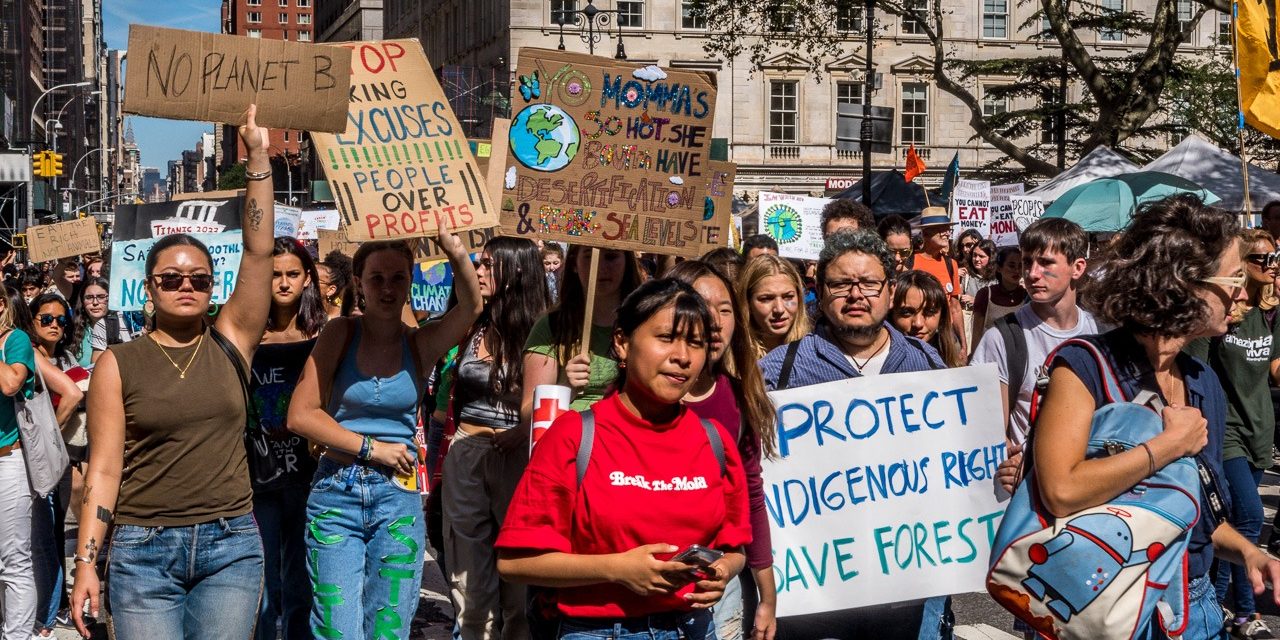
Class, blame and the climate movement
For years, the climate movement has focused on collective responsibility and shared blame. This is our planet; we all share it, and climate change affects us all, so we all share responsibility. However, following the recent floods in Nepal, we must start asking questions about how much of this responsibility is truly shared. After all, does a farmer (who relies on the earth for his living) make equal use of the world’s resources compared to a technology tycoon who wants the forest to make way for his newest data center? And in terms of equal blame, are the UK citizens who take baths and leave the lights on for longer than needed just as guilty as the ultra-rich who jet set around the world?
A recent study by the Cambridge Sustainability Commission on Scaling Behaviour Change found that the wealthiest 10% of the population were the primary culprits regarding the recent spike in emissions. Another study found that the world’s richest 1% are responsible for as many pollutants as the poorest 50%. Yet, these wealthy polluters are the least likely to bear the burdens of the climate crisis. They can afford to rebuild or redesign their homes to adapt to extreme weather. People in Nepal cannot afford to do the same and are forced to watch their homes wash away in floods. When gas prices rise because fossil fuels are scarce, the rich can afford a higher cost and, in many cases, will benefit from it. However, two-thirds of the American population are left cutting their costs to pay more for essential fuels. While most climate activism focuses on reducing the individual’s carbon footprint, this ignores that to reach the 1.5°C target, the wealthy would need to cut their emissions by a factor of 30. In contrast, the poorest 50% would need to increase theirs by three times to have any significant impact.
With the power that the rich and powerful hold, will we ever be able to achieve anything?
This applies not only to wealthy individuals but to wealthy countries as well. Current data shows that China, the USA, and India are the largest polluters (generating almost 50% of global CO2 emissions), but this ignores how, to avoid domestic issues, richer countries finance dirty businesses overseas and build smokestack industries there. This lets them enjoy the benefits of pollution without bearing the costs. Furthermore, the countries most affected by carbon emissions are poorer, developing countries in the Global South. Being south of the equator already puts these countries at greater risk of adverse impacts from global warming, as newer research suggests that India has become 31% poorer because of climate change. In comparison, sub-Saharan Africa has become 10% poorer. However, climate change further exacerbates poverty already present in these countries. Developing nations lack the infrastructure to combat changing sea levels, temperatures, and dwindling crop yields.
So, what does this mean for the climate movement? Does it mean that composting, recycling and taking shorter showers are all fruitless endeavours that should be forgotten about? Furthermore, with the power that the rich and powerful hold, will we ever be able to achieve anything?
Answering these questions requires some nuance. Firstly, this article does not intend to condemn individual action or discourage it. In fact, if you can afford greener energy sources, invest in them. If you have a backyard, then compost. And if you’re a worried student, then recycle. Do all that you can do but also remember that these individual actions must go together with a greater attempt to hold those in power to account, so that they prioritise the future of our planet.
New legislation […] should also ensure the burden falls on those responsible
Second, the rich and powerful are who they are because of the power we give them. Contact your local representatives, boycott polluting brands as much as possible, and urge your friends to do the same. This may not transform things overnight, but once enough of us understand who is to blame for the state of our climate and act accordingly, companies will have no choice but to adapt to avoid losing revenue. Furthermore, some steps have been taken, with the Paris Agreement stating that rich countries ought to be responsible for the damage that occurs to poor countries. Similarly, section 3 of the UNFCCC states that rich countries have a responsibility to lead emission-reduction initiatives, though few countries accept this.
The only way forward for our planet is for the lifestyles of the rich and powerful to change. New legislation should not focus solely on reducing emissions; it should also ensure the burden falls on those responsible, so that the poorest members of our population no longer suffer the devastating effects of climate change.
Comments