Are university societies becoming too competitive?
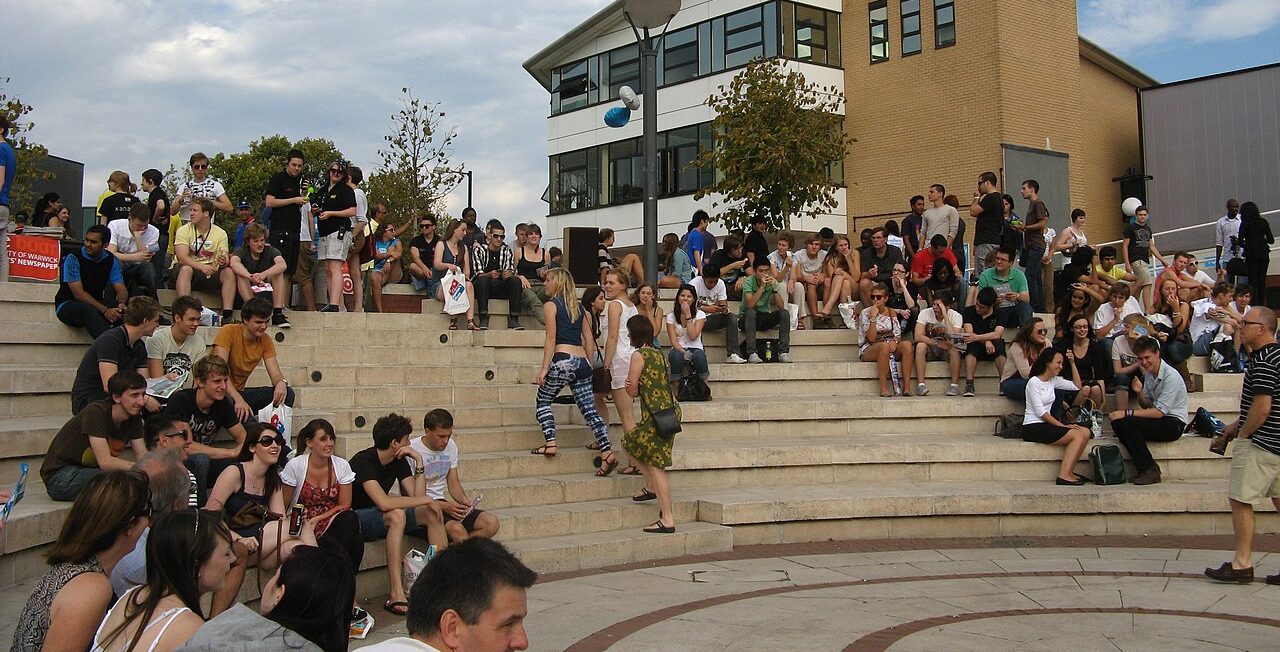
Most students are familiar with university societies. The classic open-day, societies-fair scene in every movie set in an American college has painted a picture of what societies could be. Movies like Pitch Perfect present them as a way to bond and find a community, especially within a new unfamiliar environment. Every Warwick student who has experienced Freshers’ Week will have visited or at least heard of the quintessential, two-day Societies fair. It’s extremely exciting to witness the myriad of groups that exist, from all sorts of team sports for the aspiring athletes, to a Cheese and Chocolate society for those blessed with a lactose tolerance and sweet tooth.
But something that has become increasingly prevalent has been the rise of academic societies. There are many of them, from the Warwick Law Society to the Warwick Economic Summit. These societies promise students plenty of opportunities to boost their CVs and gain an immediate footing into building their dream careers. Students believe they can be a part of a mystical career-hustling community with exclusive insider information that miraculously gets them closer to getting a job, or
puts them five miles ahead of others who can’t.
While this is incredibly beneficial for those who know what they want to be from the get-go, however, the reality for many students is that they are still discovering themselves when they first enter university. Final year student and TEDxWarwick Marketing Director Laziza Djumabaeva recalls her first year to The Boar: “When I first joined university, I was very excited because it seemed like there was a lot to explore. But I ended up not joining any because I was overwhelmed. By the time I was more settled in Term two and wanted to be more involved I felt like it was too late. All the applications were closed as they happened early in the year.”
As it turns out, opportunities to be involved in academic societies shut early because the
process of running surprisingly resembles a mini-Hunger Games
As it turns out, opportunities to be involved in academic societies shut early because the process of running surprisingly resembles a mini-Hunger Games. For instance, according to an anonymous PPE student who had run for an executive position in the Warwick Women’s Careers Society, she had to prepare a speech and present it in a room of approximately 200 people. When describing the process of running to The Boar, the student commented how “It was pretty competitive and to stand a chance at winning, you have to know a lot of people within the society itself. There was a lot of networking involved as a lot of people were bringing in tons of their friends. This is pretty standard for anyone wanting to be an exec member in an academic society with lots of members.” Laziza also explains that “Some roles are extremely competitive. It’s somewhat similar to the job-hunting process in having to apply and do an interview, but it’s on a much smaller scale.”
This rampant competition within university societies may be a wider reflection of the job uncertainty facing students after graduation. For many, there has been pressure on multiple fronts to build their CVs, network, secure internships and to plan their future careers, all while juggling classes and assignments. Laziza detailed to The Boar that “There is extreme pressure to do all of the above. The reason why it is becoming more challenging to join a society in the first place is because a lot of people are doing it to improve their CVs. And with the job market becoming worse, the pressure on students is higher especially with increasing AI implementation and with graduate jobs becoming less available.” When asked if students are increasingly joining societies for their CVs, Laziza replied: “Definitely. More students are coming into university thinking that they need to boost their CVs and the easiest way to do that is through what universities provide. And also because a lot of societies promote that coming to their events will help you with their CVs.”
Aside from how competitive these societies tend to be and how limited the opportunities are, they have their merits once you become an active member. For Laziza, joining TEDxWarwick has allowed her to meet new people and to communicate more effectively with her team members. She has also improved lots of concrete skills relating to her role like using Canva and social media production describing to The Boar: “I’ve come across many scenarios and challenges that are not obvious to an audience, and have gotten greater exposure to how other teams in the society function.”
Societies provide a path and
opportunity for anyone and everyone to find a community and a space
Of course, academic societies are not all that Warwick has to offer. Shahaar Selim, previous Social Secretary and current Tour and Ball Officer of the Volleyball Society shares about his experience. For him, societies have been an integral part of his university experience: “Societies provide a path and opportunity for anyone and everyone to find a community and a space. I’d probably be a different person had I not been a part of Volleyball. As an exec member, I’ve seen people who joined for social purposes but I’ve also encountered people who only join for CV purposes. I once interviewed a Freshers’ Representative who knew nothing about Volleyball and had applied just to put it down on their CV.” When asked how he became Volleyball’s Social Secretary in the first place, he expressed that it was a different experience to academic societies, “As a sports society, it’s much easier to be involved when you’re part of a team. I relied on social means, which meant becoming friends with exec members. There was peer pressure to pick an exec role.”
Behind the scenes, a lot of hard work and preparation goes into making the society events accessible and engaging for students as “Being an exec member really teaches you to take on additional responsibility and work that may not be handed to you but that you must undertake. I’ve learnt to contribute and work hard without getting something back in return. It’s an unconditional effort.” Needless to say, viewing societies as purely a CV-building exercise takes away from the many benefits of being involved. Not only can they be great for finding a community, but they can also be the most accessible way for students to gain real-world leadership and teamwork experiences.
There is a whole buffet selection of societies on campus, ranging from the Arts to language-based societies
Beyond that, for those who are uncertain about what societies to join, or are disheartened by how competitive some positions appear to be, it might be worth remembering that there is a whole buffet selection of societies on campus, ranging from the Arts to language-based societies. How often do you truly get to explore from such a wide range of options? Familiarity and solace in one community is convenient and appealing, but in setting one’s sights on only one society, you close yourself off to new faces and experiences. What you find out there may pleasantly surprise you.
Comments