An adaptation is an ADAPT-ation, stop being so literal about it
The joy of a book to film adaptation cannot be overstated. We rejoice when it is revealed that our favourite novel is being developed for the big screen, our social medias flooded with dream casts and conversations discussing scenes that we are dying to see in the cinema. But with this delight comes an equal sense of unease. Will they stray entirely from my beloved plot? Will I ever see my favourite book the same way again?
To be considered for an adaptation, the book is often deemed incredible. Nobody wants to adapt a mediocre book. Let’s be honest, what production companies need is a substantial source material or a cult following (ideally both), because they need sales. Therefore, the stakes are always high. The book is acclaimed and beloved, so the movie has to live up to that, but if it falls slightly (or majorly) short, it’s a disaster.
The audience is never satisfied. Responses to casting announcements are almost always negative, the actors failing to match with an image so idealised in the public consciousness. Scenes that are inevitably cut to turn a 400-page novel into a 2-hour movie are mourned, and it is a total insult to both the book and its loyal fans for it to have been butchered so mercilessly.
It is impossible to create a film identical to its literary source
The issue I have with the tirade of hatred towards adaptations is that many fail to understand they are adapt-ations. They have adapted the source material. It is impossible to create a film identical to its literary source. Firstly, when one reads, the image in their head is personal. The picture is based upon their own visual experiences, their own life stories and their own interpretation of events. Nobody’s experience is the same, so while there might be a vague consensus, it is impossible for anyone to have identical thoughts.
Secondly, the adaptation is in the hands of directors, producers and writers. The themes that resonate with them may not resonate with you. Those adapting Sense and Sensibility, for example, might want to focus their movie on sisterhood, or the differing experiences of love and adolescence, or on the financial constraints of being a woman in the context of the 18th century inheritance laws. Each person will resonate with one strand more than the others, and that is why we have so many adaptations of classic novels.
Hamnet is an example of an exceptional adaptation … for how does one transform such majestic, profound and heavily metaphorical prose on the pain of grief into something visual?
Hamnet is an example of an exceptional adaptation. Maggie O’Farrell’s majestic and poetic writing makes a film adaptation difficult, for how does one transform such majestic, profound and heavily metaphorical prose on the pain of grief into something visual? But director Chloé Zhao manages this exceptionally, creating a visually rich and profound film. The exceptional and emotional performance by Jessie Buckley communicates the passion, pain and wild spirit of Agnes flawlessly.
However, this isn’t a strict adaptation, the film’s narrative is linear, in comparison to the non-linear novel, and the character of Hamnet himself is explored in less depth. Similarly, in the book Shakespeare is a distant figure, a shadow whose playwriting and being is not the centre of the novel. In the film however, Shakespeare has a significant role. Rather than alienating the film from the novel, Zhao and O’Farrell add to the story explorations of fatherhood, masculinity, the darkness of grief and literary passion, all in a touching way that does not take away from the potency of Agnes’ character. The book purist would seem a fool to despise this powerful adaptation.
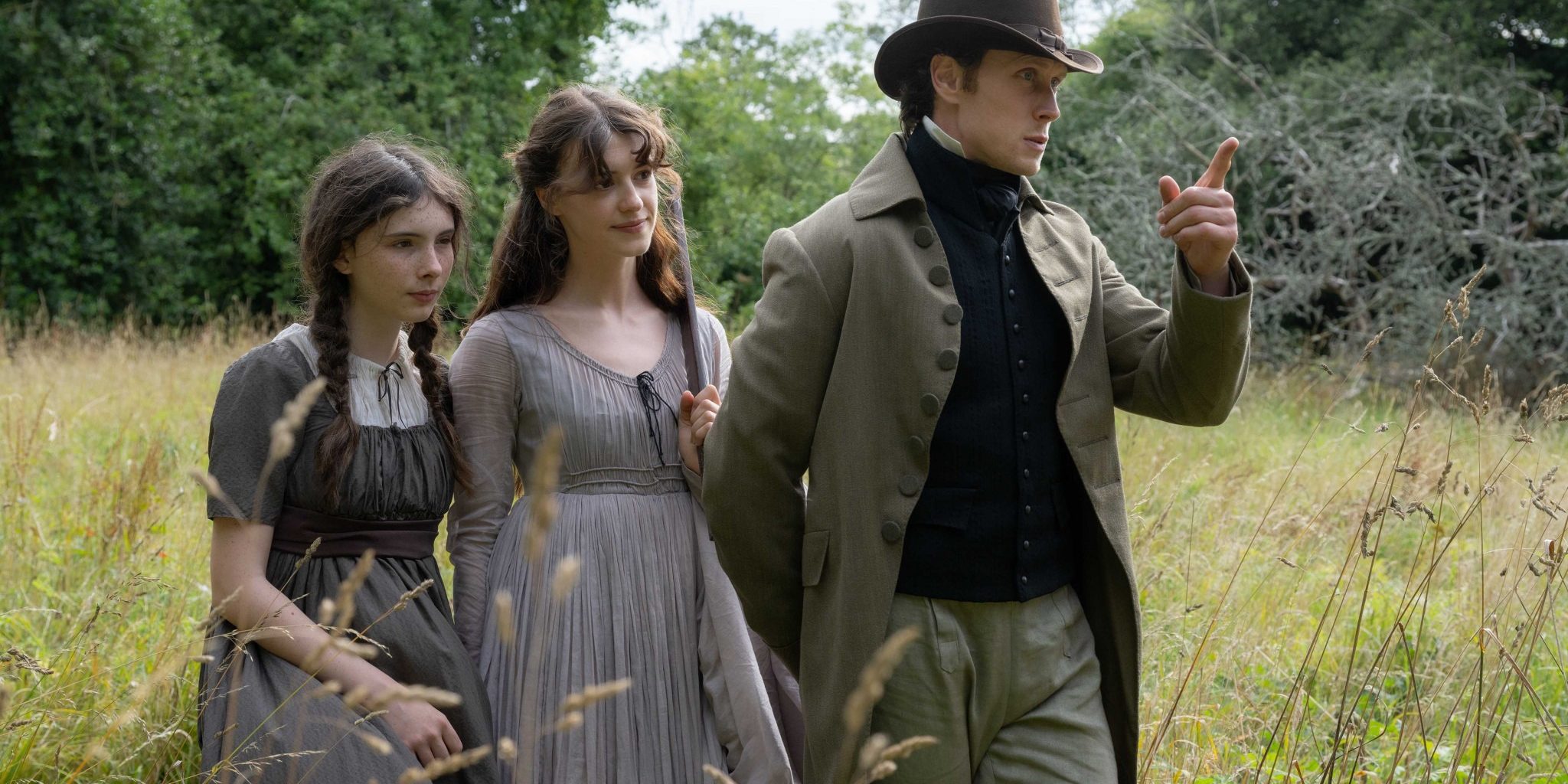
The recent Sense and Sensibility film also perfectly encapsulated what it means to be an adapt-ation. While adhering to the novel’s overarching themes and melancholic atmosphere, screenwriter Diana Reid creates beautiful additions that enhance our understanding of the protagonists. The added gallery and dance scene between Edward and Marianne is so tender and tragic. These scenes add incredible dramatic climaxes, emphasising the restraint, suppression and then overwhelming emotion which Austen’s text urges us to discuss. What is the perfect balance of sense and sensibility?
As I argue for Emerald Fennel’s “Wuthering Heights”, I am deeply grateful for the quotation marks Fennell utilises in the film’s title
Emerald Fennel’s “Wuthering Heights” was a cultural phenomenon, a highly anticipated, shockingly divisive film, both hated and adored. As I argue for this adaptation, I am deeply grateful for the quotation marks Fennell utilises in the film’s title. This is an adaptation in its most hyperbolic form – Fennell takes the original text and creates something else.
She focuses on an obsessive, erotic, impassioned adoration between her two protagonists, creating a theatrical melodrama that centres on the extraordinary trauma bonds between Cathy and Heathcliff. She takes liberty with the film’s historicalness, placing the movie in some fantasy 19th and 21st century hybrid. If we take this film as Fennell argues it is, as an interpretation of Wuthering Heights through her own adolescent reading of this erotically tinged novel in the middle of the night, then I say it does it quiet well.
It is a compelling and repulsive nightmare from start to finish, as Fennel adapts a sexy, toxic romance incredibly well. Let’s not kid ourselves either, countless people have stated on the internet that when they first read Wuthering Heights they were struck by the romance.
So, book purists, you will never be pleased. Let the creative and curious souls rejoice at experiencing our favourite stories in different forms, discussing what we liked, what we hated, and loving the experimentation all the same.
Comments