A racket for the rich? The economics of the British padel boom.
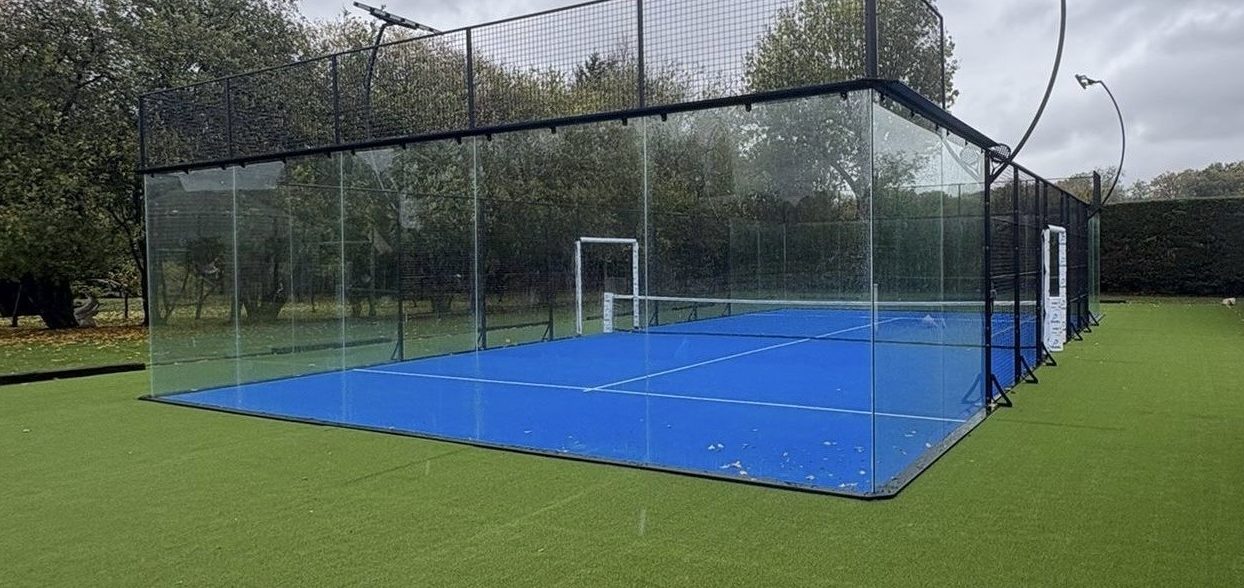
Three new indoor padel courts have been approved at Squab Hall Farm, on the outskirts of Leamington Spa, despite planning officers recommending refusal. The development was backed by councillors on the grounds that its employment opportunities and benefits for community health outweighed concerns about the loss of employment land and car-dependent access.
However, this is not just a trend in Leamington, but everywhere. There has been rapid global growth in playing padel, shown in how court construction has risen by 15.2% year-over-year globally. However, as investors rush to build facilities, an important question emerges: will this boom make playing sports more accessible, or will its benefits remain concentrated among those who can afford it?
According to the Lawn Tennis Association (LTA), 860,000 adults and children played padel in Britain during 2025, more than double the 400,000 recorded in 2024. By the end of 2025, the country had 1,553 courts across 559 venues, compared to just 69 courts in 2020.
This rapid expansion has created opportunities for private investment. Operators can generate revenue through hourly court bookings, memberships, coaching and organised events. Farmers and commercial property owners have also begun converting underused buildings into sports facilities, creating new uses for existing land and infrastructure. For investors, the appeal is clear: rising demand creates opportunities to establish venues in a market that is still developing. For communities, new facilities can create jobs, encourage physical activity, and provide a space for social interaction.
However, commercial growth alone does not establish whether a sport is accessible.
Price is one barrier. The LTA puts the average off-peak cost of a British padel court at approximately £27 per hour, equivalent to £6.75 per person when four players share the booking. Whilst this initially does not seem too bad compared to other leisure activities, this does not include the price of peak-time sessions, booking equipment, premium indoor venues, or other costs coming with playing the sport.
Research published in the 2026 UK Padel Report by Oxygen Consulting found that the median peak-time price among the country’s nine largest operators was £42 per court hour. However, players’ expectations were considerably lower, with even the most premium courts considered acceptably priced at no more than £28 per hour. The difference matters because the most convenient times to play, such as weekday evenings, can also be the most expensive.
Access is also geographical. Oxygen Consulting found that 60% of UK padel venues were in less-deprived neighbourhoods, compared with 40% in more-deprived areas. Although provision in England’s most deprived neighbourhoods increased during 2025, the imbalance suggests that expanding the number of courts does not automatically distribute opportunities equally.
Britain risks building a thriving new leisure industry without making its benefits equally available.
Operators will want sufficient revenue to cover rent, staffing, and maintenance. Keeping these prices low may widen participation, but would operators be willing to do it at a cost?
There are ways to balance these objectives. Off-peak discounts, community coaching, school partnerships and subsidised sessions could bring in new players while making better use of facilities outside peak hours. The LTA reports that more than 81% of surveyed venues were involved in some form of community outreach.
The development in Leamington illustrates the importance of considering these benefits alongside commercial viability. Its approval was justified partly by the potential contribution to local employment and community health. However, the site has limited public transport access, which raises the question yet again: who is able to use it?
Britain’s padel boom should not be judged solely on how many courts are built or how much revenue operators generate. Its success should also be measured based on whether people from different backgrounds can participate regularly.
Private investment can provide the facilities needed to grow a sport. Ensuring that those facilities serve a wider community, however, requires taking into account affordability and accessibility from the outset. Otherwise, Britain risks building a thriving new leisure industry without making its benefits equally available.
Comments