Why so unserious? A conversation with Arielle Nissenblatton on the perception of podcasts
This May, The Boar had the opportunity to attend The Podcast Show, an international festival that brings together people from across the podcasting industry. It was undoubtedly a surreal experience. Podcasts offer their listeners a level of intimacy that is often unmatched by other forms of media. You can take them with you anywhere, whether on the bus or while washing the dishes, and part of their appeal lies in how remarkably personal they can feel. That is exactly why standing in London’s Business Design Centre, surrounded by so many industry specialists, felt so strange. It was striking to consider just how many people are involved in creating something that can feel so intimate and effortless to the listener.
Why should anyone care about podcast journalism?
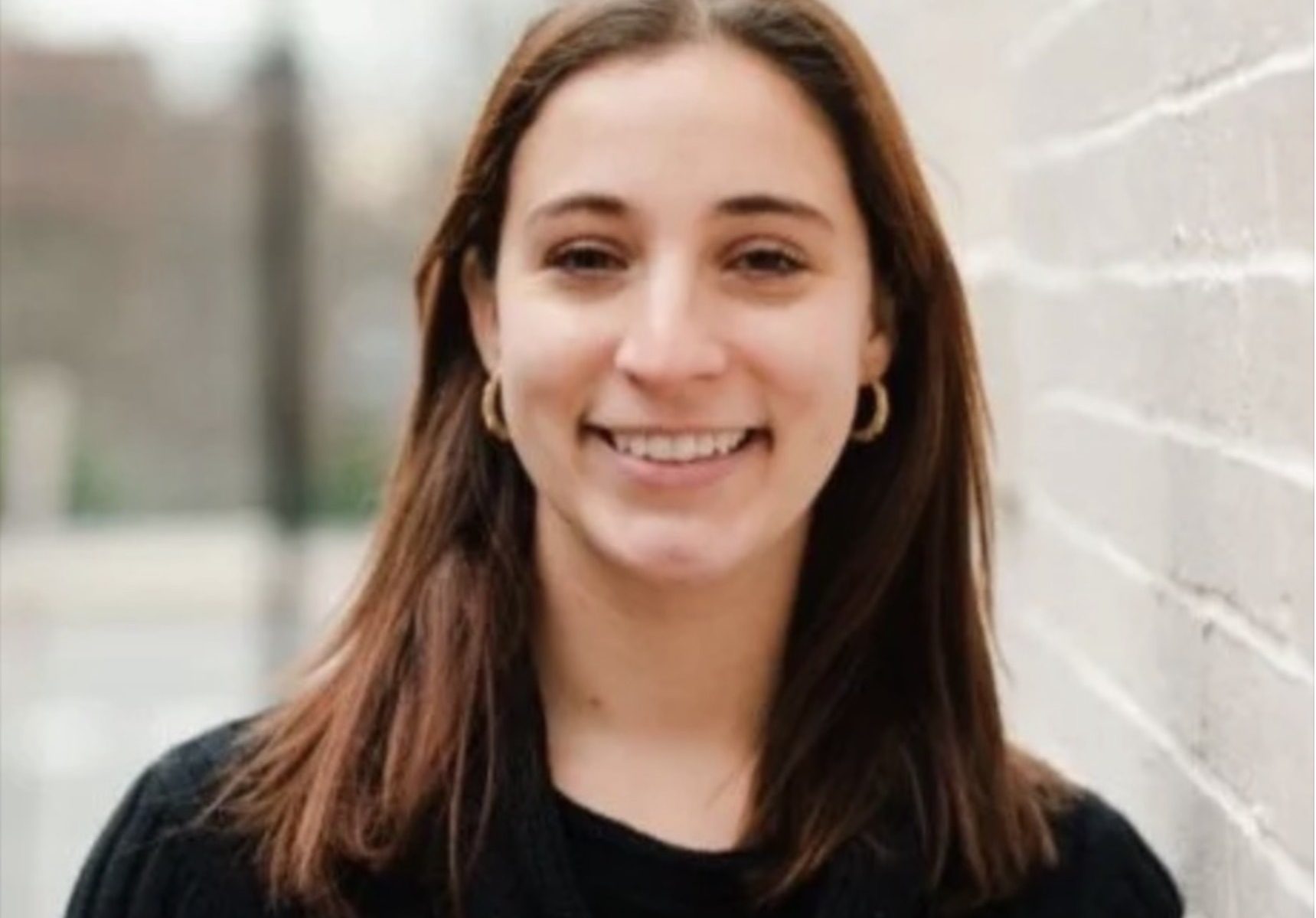
Caught up in the frenzy of trying to take as many notes and speak to as many people as humanly possible, one passing comment from podcast strategist Arielle Nissenblatt particularly struck me. Nissenblatt is Head of Community and Content at Pinwheel, as well as the founder of EarBuds Podcast Collective, a human-curated weekly podcast recommendation newsletter. During a panel, she briefly touched on the unserious perception podcasting occupies within the media industry. Podcasts can attract thousands of regular listeners, and generate enormous advertising revenues. Yet, the industry is hardly given a lot of respect. Look at the SNL skits that mock the seemingly senseless drivel that originates from podcasts. Even when I reflect on my own experience of telling friends that I write for The Boar’s podcasts section, I am often met with a look of confusion. It is a look that says, “Why should anyone care about podcast journalism?”
I think it’s not taken as seriously as it should be taken because anyone can get involved”
Nissenblatt made the curious claim that she had her own theory as to why podcasting is not taken seriously, but did not want to derail the panel’s discussion. This summer I had the opportunity to ask Nissenblatt what her theory was, and she pointed to one of the medium’s greatest strengths.
“I think it’s not taken as seriously as it should be taken because anybody can get involved,” she told me. “And that’s beautiful, and I love that anybody can get involved.”
Yet, this unique accessibility can blur the distinction between amateur and professional production, as a podcast can begin with little more than a microphone. “Your buddies down at the bar can just put a microphone in front of them and make a show, and it’ll be terrible. It’ll be boring. It’s self-indulgent. No one’s going to listen to it.” Arielle points out that such a podcast is hardly comparable to a podcast that is “a full-scale production that gets greenlit by a big studio” and is available on big streaming networks, like Netflix.
She offers a comparison with film and television, claiming that anyone could take out their phone and film a video, but very few people would consider that equivalent to a professionally produced television programme in the same way that vastly different levels of podcast production are often grouped under the same label.
That problem has arguably become even more complicated as podcasts have become more visible. A lot of people’s recent exposure to the medium, including my own, comes from social media. There is a saturation of clips of people arguing or someone saying something inflammatory or sensational enough to gain engagement with their accounts.
More people know the word “podcast” and I think that is a good thing overall
It made me wonder whether greater exposure had actually made podcasting seem more unserious. Nissenblatt, however, was more optimistic, as she said that “more people know the word ‘podcast’, and I think that is a good thing overall”, since the engagement creates more listeners and ultimately boosts the industry.
You should be making the show that you want to make… You should be making the show that your audience needs you to make
For her, the vague definition of a podcast is not necessarily a problem. “We continue to not find a definition for podcast, and I think that’s okay. I don’t know if we ever really define any of the media that we have.”
As a podcast strategist, what she does acknowledge with the increased popularity of podcast clips is that a lot of podcasts “that have video components, don’t necessarily need video components in order to be consumed by the person who is pressing play on them”. She questions whether a visual element always adds much value to the consumer.
Spotify, Apple and YouTube have increasingly encouraged creators towards video podcasts, creating the impression that a successful podcast now requires cameras as well as microphones. “Everybody thinks that they need to have video because of hype cycles,” Nisseblatt said. “You should be making the show that you want to make,” she argued. “You should be making the show that your audience needs you to make.”
My conversation with Nissenblatt made me consider whether podcasting’s unserious reputation can ever be separated from what makes the medium so appealing in the first place. Its low barrier to entry and resistance to strict definition can make it appear amateur at times, but more importantly, it allows for a degree of accessibility and experimentation that is harder to find in other forms of media.
Comments