Warwick SU explained: Answering freshers’ biggest questions
When you step onto campus for the first time, you immediately have an endless list of things to figure out: where the room for your first lecture is, what the difference is between the U1, 12X, and 11 buses, and how the washing machines work. However, The Boar is here to answer all of your questions about one of the most central institutions on campus (quite literally): Warwick’s Students’ Union (SU).
To find out what students wanted to know about the SU, The Boar asked both incoming and returning students for their questions. From understanding the part that the SU plays in societies and sports clubs, to figuring out the difference between the roles that the organisation offers, here are the answers to some of the most frequent queries.
So, what exactly is the SU and what role does it play on campus?
As the organisation itself puts it: “Warwick SU is run by students, for students.” But what does this mean exactly?
A dedicated team of elected student officers, alongside the staff team and a board of trustees, run the organisation.
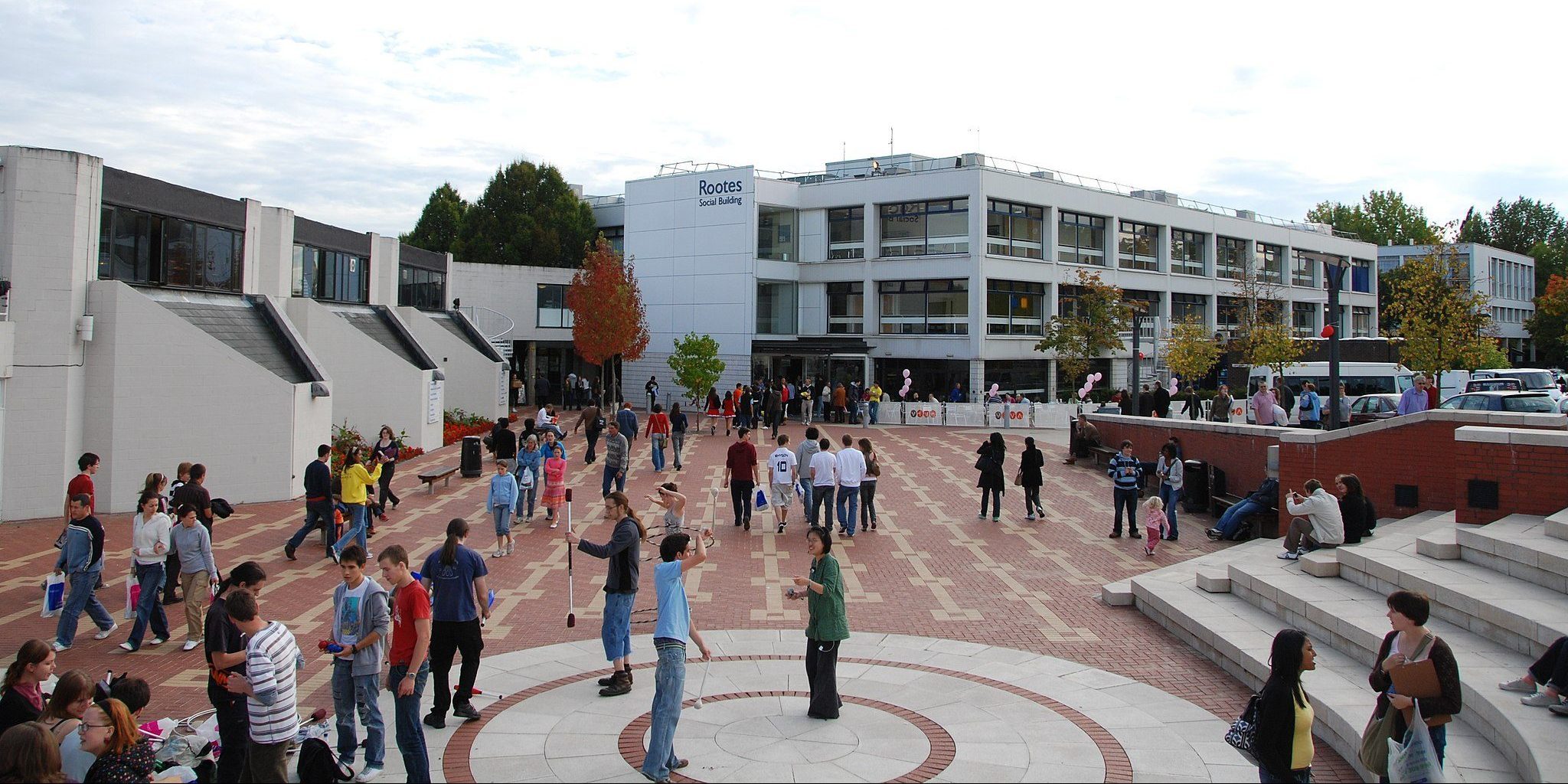
The SU has a central place in campus life (in terms of location too: the SU’s office can be found in central campus, just off the piazza). Whether it’s campaigns on issues that affect students, organising events, providing support and advice services, or aiding societies and sports clubs, it’s nearly impossible to leave Warwick without encountering the SU in some way.
Some of Warwick’s most well-known social events are operated by the Union, including POP! in the Copper Rooms.
The organisation is instrumental in Warwick’s social scene. You may already be familiar with the SU website if you have been signing up to Welcome Week events, which the organisation coordinates each year. Some of Warwick’s most well-known social events are operated by the Union, including POP! in the Copper Rooms. As well as this, the SU provides support and training for the exec members of each of Warwick’s 300 societies and sports clubs, helping these groups run successfully throughout the year.
How do I join a Society or Sports Club?
The Warwick SU website is your primary tool for becoming a member of a society. The website provides an extensive list of every society available to join on campus. However, first you must pay the Society Federation Fee of £12 if you are an undergraduate, or £6 if you are a postgraduate or exchange student. This fee allows you to join as many societies as you wish.
Each society then has its own individual joining fee; for example, to become a member of The Boar and contribute articles for us, we have a society fee of £3. These fees help societies cover running costs and organise events. Society members may also receive benefits such as discounted tickets and exclusive socials.
Joining a sports club follows a similar process, although there are a few additional steps.
Firstly, determine whether your chosen club is classified as on-campus or off-campus.
Once you’ve decided where your chosen club is based, you can select either the on-campus Warwick Sport Club Pass, which will cost you £82, or the off-campus pass may be more suitable, which you can purchase for £22.
The next step is to become a member of the Students’ Union Sports Federation, which currently carries an £18 membership fee. According to the SU, a significant proportion of this goes directly to sports clubs, while the remainder helps cover insurance, staffing, and admin costs.
Finally, the individual clubs have a joining fee of £6, with this money going directly to the societies to help with the general running costs.
What are the roles available within the SU for students?
The Boar’s survey concluded that most people had queries around the different positions in the SU.
The seven Full-Time Officers, elected in Term 2, lead the organisation and do not study alongside their roles.
The seven Full-Time Officers, elected in Term 2, lead the organisation and do not study alongside their roles. These seven Full-Time Officers include the President and officers responsible for academic, sports, societies, welfare, and postgraduate matters.
As the current Academic Officer for the academic year, Raj Hacker explains: “I’m part of the Full-Time Officer team that represents students on their most important issues within the university. These span from representing marginalised communities in university spaces, societies and sports, and upholding student rights. Over the last 50 years, SU officers have secured major victories for students, including a lecture-free welcome week, a dedicated Students’ Union space, and ending the university’s investments with fossil fuel companies.”
On the other hand, Part-Time Officers (PTOs) take up voluntary positions alongside their studies. The PTOs represent specific student communities, such as LGBTQIA+ and Widening Participation.
Representation of student voices in areas surrounding academia also plays a major part in the SU. Course and faculty representatives work alongside the Academic Officer to ensure that all academic issues are dealt with effectively.
Someone who holds one of these roles is Sarah Addison, a final-year History and English student who is a Representative of the Arts Faculty. Speaking about her role, she said: “I’ve just been elected as academic representative in the Arts Faculty, which is a role I’ll be doing in my third year. My role is to listen and provide feedback on issues impacting arts students.”
You can view the full list of full-time and part-time officers, as well as forum members and academic representatives on the SU website.
How do the SU elections work?
How does someone put themselves forward for one of these roles? SU elections happen three times a year, once per each term, with different roles elected in each one.
Nominations are completed through the SU website, which provides eligibility rules and guidance.
Voting is also completed through the SU website, and voting in the Spring Officer elections will typically not only earn you the satisfaction of having exercised your right as a student to vote, but also a free Curiositea drink.
Candidates then promote their manifestos to students. Academic Officer, Raj Hacker, explains why he was compelled to put himself forward for the role: “I was inspired to run for the role because of my involvement in radical spaces within Warwick fighting for climate justice and a free Palestine. I had an incredible time meeting like-minded people in an organising and social capacity, subsequently campaigning on sustainability issues as the Climate Justice Society President.”
“This year I will fight for students to improve self-certifications and the university’s lecture capture policy. I will also work with course and faculty representatives (that you can run for) to make sure student voices are heard at the highest level. I look forward to seeing you around campus!”
Voting is also completed through the SU website, and voting in the Spring Officer elections will typically not only earn you the satisfaction of having exercised your right as a student to vote, but also a free Curiositea drink.
Whether you are joining a society, running in an election to represent your course, or simply buying a ticket to POP!, the Students’ Union will play some sort of role during your time at Warwick. Understanding how the SU functions is one of the best ways to discover some of the things that university life has to offer.
SU PRESIDENT OLLIE’S WELCOME LETTER
Welcome to Warwick Students’ Union! We represent over 28,000 students at the University and that almost certainly includes you.
You are likely to spend a lot of time in the SU buildings, whether it be in the Dirty Duck, Terrace Bar, Copper Rooms, Curiositea, or elsewhere. Be sure to pop over to us in Welcome Week and see what we have to offer.
I’m Ollie, President of Warwick SU. I lead a team of seven amazing Full-Time Officers, and it is our job to represent you, campaign for you, and lobby the University to ensure you have the best possible experience during your time here.
You are likely to spend a lot of time in the SU buildings, whether it be in the Dirty Duck, Terrace Bar, Copper Rooms, Curiositea, or elsewhere. Be sure to pop over to us in Welcome Week and see what we have to offer.
We have over 300 Sports Clubs and Societies, and I can pretty much guarantee you will find something for you. It could be academic, political, cultural, competitive, or just for fun. Be sure to attend the Sports and Societies fairs and see what piques your interest.
We also run the Advice Centre, a service that can help you if you ever need support with your academic, financial, housing, or personal situation. Just reach out, and a brilliant advisor will get back to you.
Keep your eyes peeled for our Autumn elections as this will be your first chance to get elected to a role on one of our forums, or as an academic representative. It is a great opportunity to use your voice and make genuine change at the University.
We can’t wait to meet you; be sure to pop by our office or send us an email if you ever have a question, idea, or even just want a chat. Have a gooden!
Comments