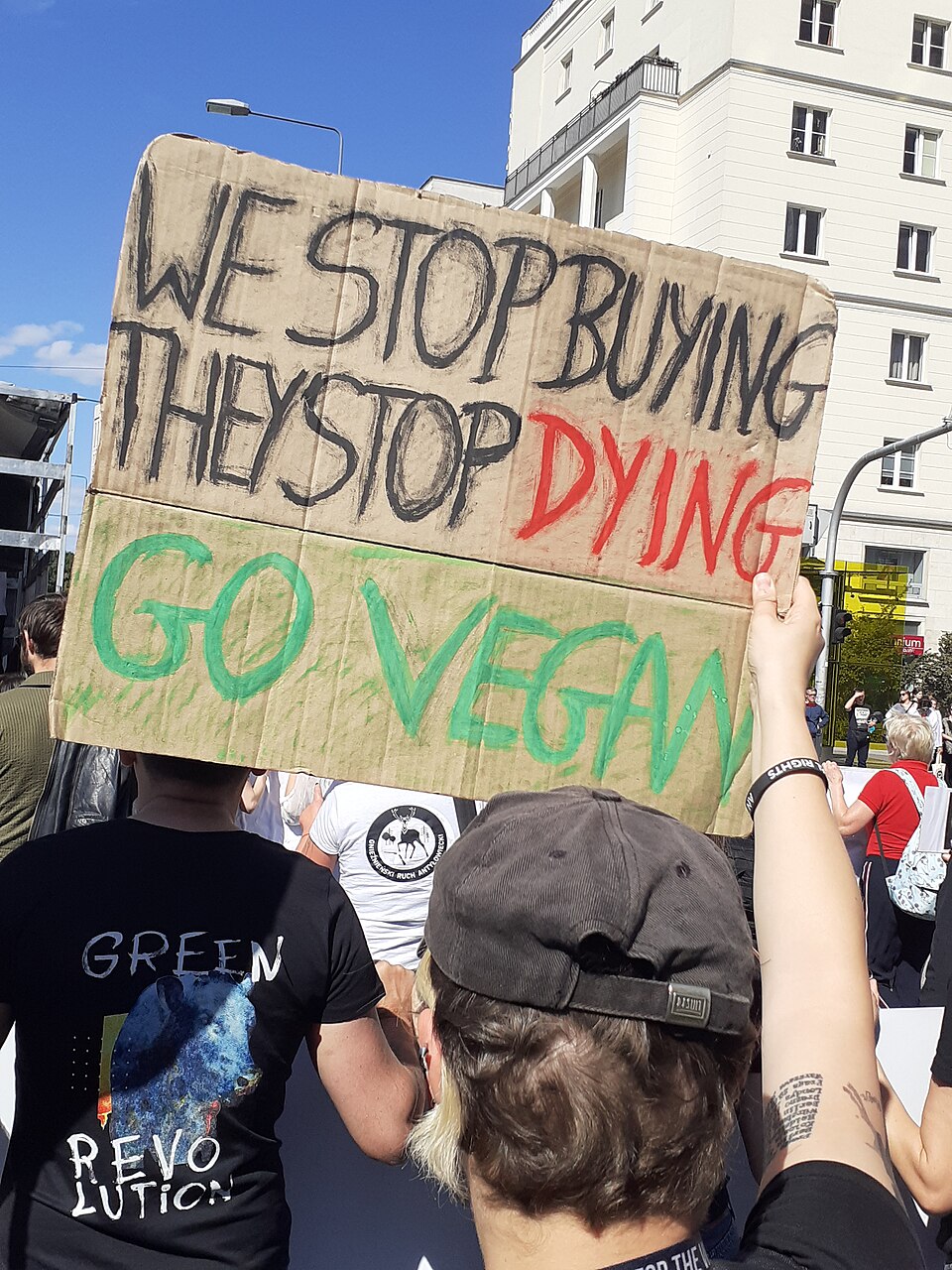
Vegan purity culture must end: In defence of imperfect veganism
Having gone from an omnivore to mostly vegan about four months after starting university, I have a lot to say for the benefits of imperfect veganism. I started as an imperfect vegetarian, never cooking myself meat products, but still eating the same meals as my family when I visited home.
I didn’t plan on going vegan at all when I swore off meat. I’d known for a long time that once I lived alone, I wouldn’t buy myself meat products. It wasn’t long, though, before I phased out eggs, which I never really liked anyway, and milk, which kept going bad before I finished the bottle, making oat and soya milks much more practical, economical, and responsible in terms of reducing waste.
I’d spent a lot of that time learning a lot more about exactly how much suffering industrial animal farming causes to creatures, people, and the planet, and decided to commit to full veganism
At that point, probably halfway through my second term at university, I realised I was basically vegan, with pretty much cheese and cake as my only main exceptions. I’d spent a lot of that time learning a lot more about exactly how much suffering industrial animal farming causes to creatures, people, and the planet, and decided to commit to full veganism.
I imagine many vegans out there would probably still call me imperfect
It’s only now, two and a half years later, though, that I can really call myself a proper vegan without feeling the looming weight of bad-faith social media discourse bear down on me. In between then and now, I often ate cheese or cake with my family, none of whom are even vegetarian, or when there was little else available to eat.
I imagine many vegans out there would probably still call me imperfect. I wear leather shoes and belts – ones I’ve owned for years and bought second-hand: far more environmentally friendly than buying new plastic leather alternatives. At my brother’s wedding, I ate mozzarella and halloumi, because the menu had been decided a year beforehand, when I was only vegetarian. Better to eat cheese for one day than go hungry and waste food. In my opinion, none of this discounts me from being vegan. If it did, when do I gain the title back? Once I’ve gone to vegan confession and said five vegan Our Fathers?
My point is that purity culture doesn’t help the vegan community and certainly hasn’t helped our reputation. In fact, giving our peers the grace of finding their footing in a new lifestyle that our society isn’t set up for is far more likely to encourage them to stay, and eventually drop their last few animal-based items. This idea has grown in popularity with the “Vegan but Bacon” principle.
The name comes from TikTok content creator trailmixliz’s video where she encourages those who would like to go vegan or plant-based – which aren’t quite the same thing – for ethical or environmental reasons, but have one or two items they’d struggle to give up, to go vegan except for those items, bacon in this example. It’s hardly a new notion, but she put it into simple, clear words that helped connect the dots for a lot of people who’d been toying with the idea of veganism or vegetarianism for a while.
For me, this idea can extend to more than simply liking bacon too much to forgo it. It’s a common experience to meet someone who was vegan or vegetarian but had to reintroduce certain foods such as fish into their diets for health reasons, which can apply to so many other areas of life.
If people start where they’re comfortable and healthy, they may find, in time, they are more able or willing to adopt a fully vegan lifestyle
Those who have struggled/struggle with disordered eating may find it healthier to allow themselves flexibility with their diet than to enforce strict rules on themselves, which may be detrimental in the long run. Others may find that animal-based products or practises are important to their community or heritage, and be unwilling to give that up, but want to be reduce their consumption outside of that. Instead of demanding perfection, we should be encouraging exactly this.
If people start where they’re comfortable and healthy, they may find, in time, they are more able or willing to adopt a fully vegan lifestyle. If not, they’re still making a massive difference in terms of emissions and harm reduction simply by lowering their consumption of animal products. And, ultimately, that should be the main goal of every vegan: to reduce harm, not to police how other people accomplish that.
Anything we do in life is full of variability and nuance, and to what degree we can and do use or avoid animal products is no different. Demanding an all-or-nothing approach to veganism only serves to alienate people and prevent long-term progress.
Comments