University students targeted by MenB vaccination programme
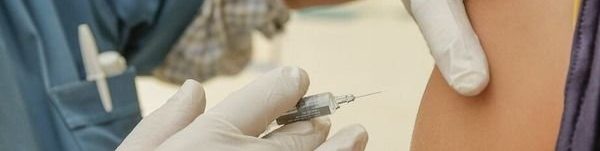
A meningitis B (MenB) vaccination programme has begun rolling out, targeting vulnerable young people who are starting university this academic year.
The vaccination is available to young people born between 1 September 2007 and 31 August 2008, and those born on or after 21 July 2001 who are starting university or residential further education colleges for the first time this autumn.
Around one in six people who catch bacterial meningitis die from the disease if untreated, and one in five live with severe complications
World Health Organisation (WHO)
The program is already in effect across the UK, with the first doses being administered in late July. Second doses are given four weeks later, ensuring students are protected by the time university terms begin in the autumn.
The one-off vaccination program comes after an outbreak believed to be linked to Club Chemistry in Canterbury, in March this year. On 18 March, the UK Health Security Agency (UKHSA) issued a public health alert and by the following day, 15 cases and two deaths had been confirmed.
According to the World Health Organisation, around one in six people who catch bacterial meningitis die from the disease if untreated, and one in five live with severe complications.
The UKHSA records hundreds of cases of meningitis per year, with 378 documented in 2024–5.
Students starting their first year of university are most at risk, being seven times more likely to catch meningitis than young people of a similar age who do not go to university
NHS England
Meningitis is dangerous since it causes inflammation of membranes surrounding the brain and spinal cord, restricting blood flow to a key area of central nervous tissue. The disease spreads through prolonged contact, usually between individuals living in the same household, which puts university students at a higher risk.
Meningitis is also known to spread at large gatherings where people are in close proximity, such as nightclubs or sporting events. Most bacteria that carry meningitis live in the nose and throat, meaning kissing and sharing vapes can also put people at risk.
Students starting their first year of university are most at risk, being seven times more likely to catch meningitis than young people of a similar age who do not go to university, according to NHS England.
It is hoped that this vaccine rollout will prevent a surge in cases like the outbreak in Kent and Canterbury this year.
Comments