University students report procrastination as biggest threat to their academics
Procrastination is the greatest struggle challenging the academic studies of university students, recent research has shown.
A 2023 study by the Biomedical and Biotechnology Research Journal (BBRJ) found that 55% of university students claimed procrastination for examinations almost always had an impact on their results.
Alongside this, 72.5% of students claimed they wish to reduce their procrastination habits when it comes to weekly reading and assignments.
However, other distractions also compel students to deviate from their academic work. For instance, the looming presence of social media and technology, the allure of nightlife and socialisation, and the pressures of balancing one’s mental health with studying.
Victor Agboga, the LSE Social Media Ambassador, claimed procrastination primarily derives from distractions for students. This includes video games, television, and social media, which he says “pervades our daily lives and often robs us of that precious study time“.
He continued to suggest that anxiety and the “fear of failure” can also reinforce a suffocating habit of procrastination, going as far to say it can “paralyse some students”.
Repeated procrastination of academic work had affected students’ physical health, in addition to emotional consequences
Second-year University of Warwick student Isabella Stokes said there is a stark “pressure on yourself to produce the best of the best work”, so there is a risk of “ending up not doing the work at all”.
Iffath Ahmed, Grisilda Vidya Bernhardt, and Pooja Shivappa, who co-authored the 2023 study, conclude that “engaging in procrastination in an academic setting brings negative outcomes such as stress, guilt, poor academic performance, and low self-esteem“.
They found that the repeated procrastination of academic work had affected students’ physical health, in addition to emotional consequences. These included an “increase in unhealthy and self-sabotaging behaviours such as poor eating and a loss of sleep”.
Another second-year Warwick student, Sasha Temple, offered the perspective that the “cycle of stress” involved in procrastination places “more pressure on the work you’re producing in a shorter time frame”. Thus, she continued, procrastination “reduces the overall quality of the work”.
At the University of Warwick, there are resources available to support students suffering with a procrastination habit. This involves the Student Health and Wellbeing Service (SHAWS) – which even specialises in procrastination – and the Warwick Self-Help Resources page with apps and courses free to use.
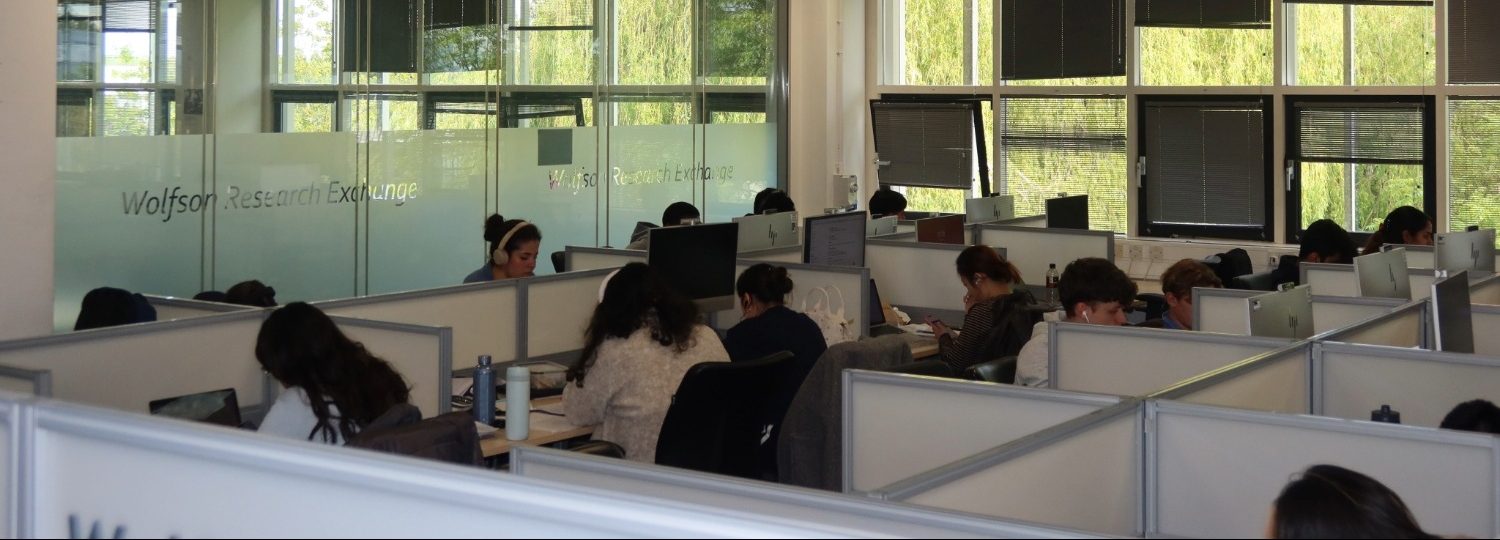
Additionally, the wide range of study spaces on campus can be useful in boosting academic productivity. Students often make use of study spaces on campus, such as unique departmental study spaces, the Library, Green Room, Learning Grid, and more.
While the practice of procrastination can feel overwhelming and paralysing at times, there are remedies to escape that feeling and boost productivity.
As Agboga says, “the best time to start that assignment is now”.
Comments