The sporting case for pitching in
In 1965, the founding of our university brought the arts to Coventry. That same year, the grassroots football club that is now Leamington FC were top of the league. Over in the States, President Johnson was alerted to the dangers of fossil fuels by a groundbreaking report. The same year, the five-year global average temperature was 0.20°C above pre-industrial levels.
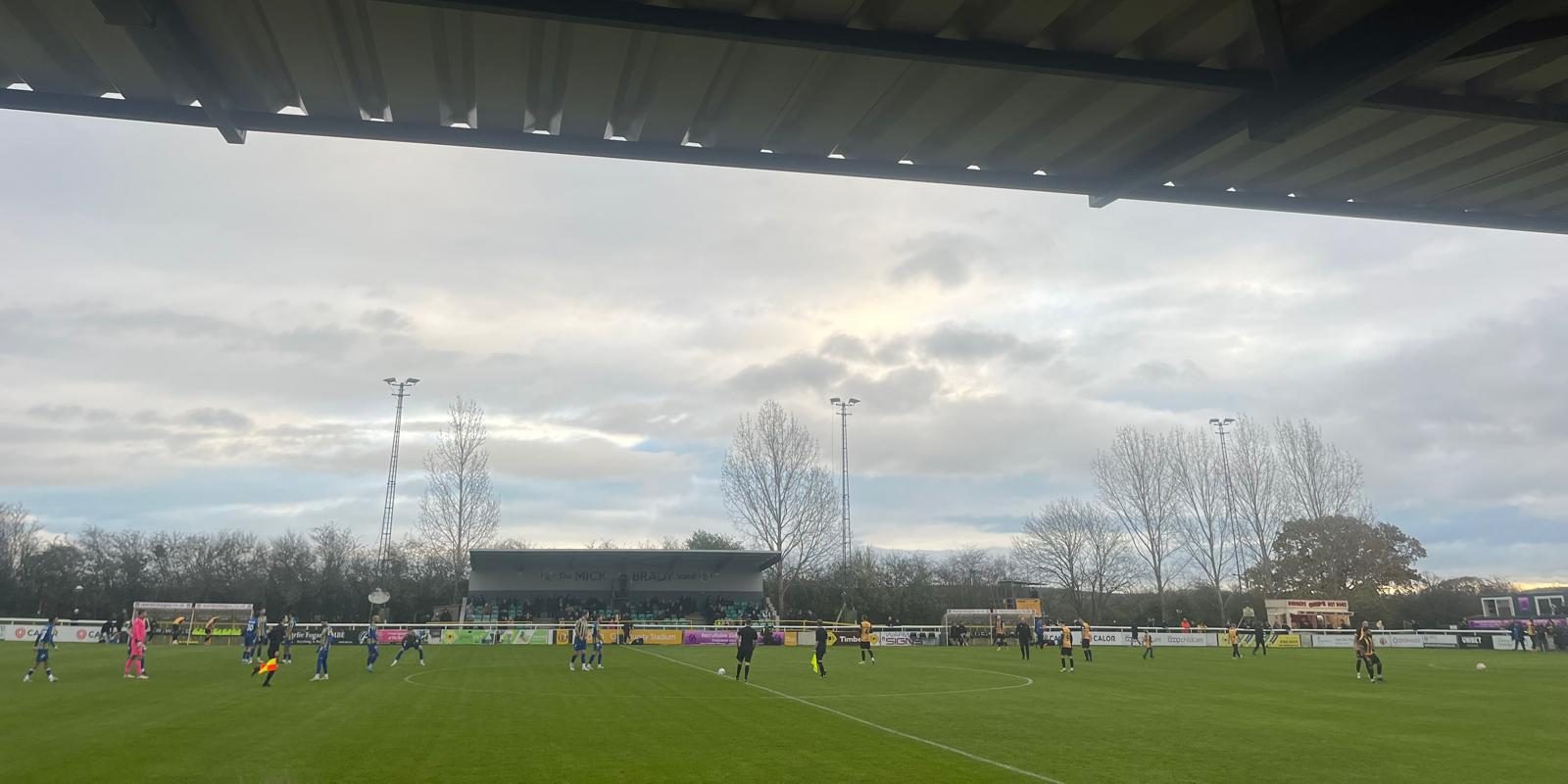
Over 60 years later, the five-year global average temperature departure is 1.38°C. In the States, and the rest of the world, increasingly more urgent reports are being written. As for grassroots football in our local area, Warwick District Council (WDC) told The Boar that “the extreme heat of the summer” has turned pitches “solid”, and that they, local clubs, and the local FA are discussing postponing the start of the season.
Pushing this back would make WDC – which covers Kenilworth and Leamington Spa – home to the latest local football leagues postponing competitive play. This comes after The Guardian reported that the Norfolk and Suffolk league would start later than expected. A few days after the report in The Guardian, the grassroots rugby season was postponed nationally.
[In last year’s heat] we had to adapt our trainings…for example, we bought water guns
– Imogen Andrews, President of WWRFC
Students at the University of Warwick are also feeling the heat. Imogen Andrews, the President of Warwick Women’s Rugby Football Club (WWRFC), said: “we’ve had a few comments from some of our members [about] how they have … been putting off sprinting training because it’s too hot.” She also mentioned that in last year’s heat “we had to adapt our trainings … for example, we bought water guns.” Andrews called new approaches like this “some fun ways to adapt”, but also stressed the serious side. “At the end of the day”, she said, “it’s all sort of considering changes because we don’t want anyone to get ill while we’re training.”
With this summer’s heatwave only a flavour of things to come, looking at the effects that increased temperatures are already having on students at the University is vital. The adaptations students are already making should give us pause. But in some ways, things are still fortunate: for all the concerns raised, there was no mention pitches, grass or artificial, being unusable due to the heat. Sport at the University benefits from pitches with inbuilt irrigation systems, which is uncommon in grassroots sport and keeps them largely insulated from heatwave-related cancellations.
In fact, it is winters affect our students more. “For most of the sports I’ve had experience with”, said Nazrana Meghji, VP Sport at Warwick Students’ Union, “[training and matches] are being cancelled or postponed because of snow or rain, not because of heat”. But again, the blow of extreme weather is softened at the University: helping us face the wetter winters brought by a changing climate is a pitch drainage system fit for Commonwealth Games athletes.
For us students, demand for pitch space tends to grow in line with student interest in sport. The bells and whistles on the grass pitches in particular mean they remain playable during and after the summer, so extreme heat does not reduce the supply of pitch space at the University. At the grassroots level, however, supply falls with extreme weather as grass pitches become unusable. Artificial turf becomes the only option.
WDC are “seeing clubs migrate where possible to utilising 3G pitches”, accepting the “significantly higher costs” in exchange for the benefit of fewer cancellations. With the heatwave reducing the supply of viable pitch space, there are fewer 3G pitches available. Yet WDC warn that availability could fall further “[s]hould these extremes continue”. If national (and international) policy choices continue to push temperatures higher, the local picture of sport may be one where the University holds a crucial and ever-scarcer resource: playable spaces.
Shifting the sporting season to escape extreme heat is futile if wetter winters will also cause problems
In 2019, WDC released a report covering the demand for, and availability of, pitches in the local area. In their statement to The Boar, WDC acknowledged that climate change will “certainly be a factor” when they review the related strategy and issue an updated report, but it is unclear how they will tackle the supply issue caused by extreme weather. In the long run, shifting the sporting season to escape extreme heat is futile if wetter winters will also cause problems. And building new artificial surfaces in place of parkland may be unpalatable from an environmental perspective.
WDC’s 2019 report references University playing fields, taking the view that they play only a limited role in community sport. This may have changed since – a quick browse of the University website shows an enquiry form for external bookings – but I speculate it may change further. In times ahead, a University aware of the effects of climate change and the benefits of sporting participation may consider a sharp reduction in its hire charges to encourage community use of its space.
The line between grassroots and university sport is, after all, blurred. Through their partnership with a Kenilworth club, WWRFC will also be affected by the delayed start to the community rugby season. Among other links, some members of the University sports club also play for the community side.
On its founding, the University of Warwick brought the arts to Coventry. With a degrading climate and an absence of global leadership, the University’s greatest gift in the medium term may be more prosaic: giving its local community a place to play.
Comments