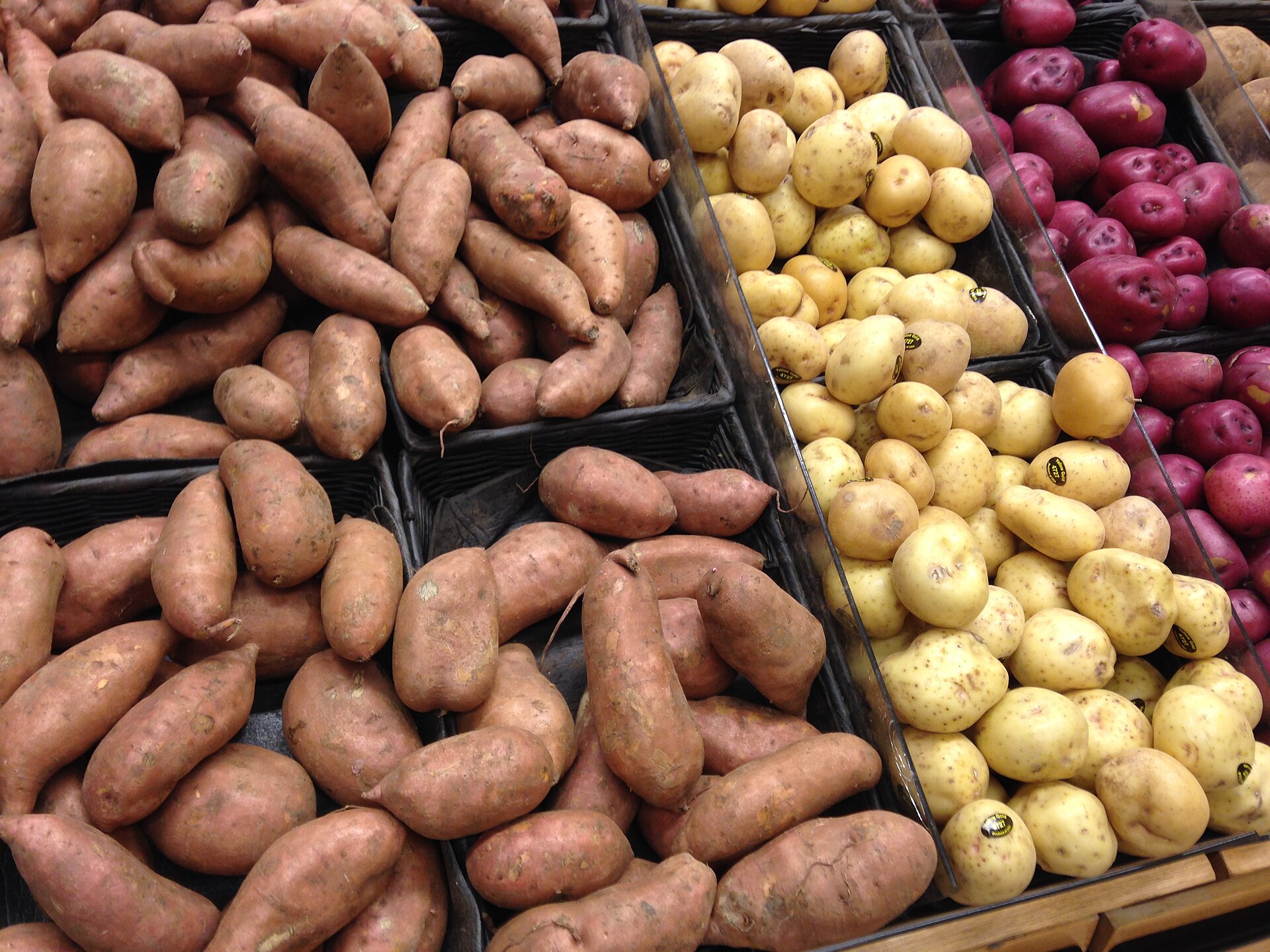
The root of the matter: Why Europe owes its cities to potatoes
Expecting to write articles on the great events at the Warwick Economics Summit, the financial intricacies of monetary policy, and a variety of news pieces – that’s what I thought I’d be doing as of late. An article discussing why we all owe our lives to the potato, however, was not one I expected to pen.
So what am I waffling about? Why am I obsessed with potatoes? Apart from their ability to be turned into delicious foods, they are responsible for a substantial share of the increase in population and urbanisation from the 18th to the 20th century. A study by Nathan Nunn and Nancy Qian explored regional suitability for cultivating potatoes and the time variation between their introduction to the Old World (Europe) from the New World (the Americas). They concluded that 25% of the population and 27-34% of the urbanisation growth in the Old World between 1700 and 1900 is attributable to potatoes.
The simple potato provides more calories, vitamins, and nutrients per acre than any other staple crop. 42 megajoules is equal to 10,000 calories and is the total energy needed for two adults and three children to live. You need 1.7 acres of land to provide 42 megajoules per day for one year if you plant wheat, 1.6 for oats, 1.4 for barley, but only 0.5 for potatoes. If you had 100 acres of wheat, you could provide for nearly 60 families for one year, but if you planted potatoes instead, you would provide for 200 families. Potatoes provide 240% more energy per day than wheat on the same land. Furthermore, the cultivation of potatoes did not mean the switch away from Old World staples, as they could be planted between the periods of grain cultivation. This further increased food production. Often, potatoes were used as fodder, which increased meat production and, indirectly, manure, a key input for further crop production.
The first evidence of European potato consumption was in Spain, at a hospital in 1573, while their first appearance in England was in 1596. However, they were not adopted immediately for several reasons. People treated the potato with suspicion because it was lumpy and discoloured, resembling the skin of those with leprosy. It was also assumed to be poisonous largely because it belongs to the poisonous nightshade family, and met with further apprehension as the first edible plant in Europe grown from tubers rather than seeds. It took 150 years for potatoes to undergo widespread cultivation.
The potato and milk complemented each other, leading to a significant rise in population growth
Other New World staples were introduced, but they cannot account for the increase in population growth. Three other staples were maize, cassava, and the sweet potato. However, maize is not as calorie-efficient per acre. Unlike potatoes, a diet largely reliant on maize is nutritionally insufficient and is associated with pellagra, which can eventually lead to death. Cassava also lacks protein and other nutrients, making potatoes a significantly better option. Sweet potatoes are very similar to yams, and many regions which were fit for sweet potato cultivation were already growing yams. In addition, there is reason to believe sweet potatoes had already reached the Old World before the discovery of the Americas, transported by Polynesians, with their impact felt as early as 1000.
I will now pivot to a later paper by Justin Cook, who showed that milk complemented this growth, with countries composed entirely of lactase-persistent people experiencing twice the impact of potatoes. Milk is high in calcium, vitamin A, potassium, protein and most importantly, fat. This is important because one 300g baked potato provides only 0.01% of your daily fat intake, despite its high levels of iron and vitamin C. Fat is important for absorbing vitamin A, D, and E, while protecting organs and supporting cell growth.
In addition, potatoes are notably lacking in vitamin A and calcium, while milk perfectly fills this micronutrient gap. Calcium helps prevent rickets, while vitamin A is key to preventing xerophthalmia, a severe eye disease caused by a deficiency of the vitamin. Xerophthalmia saw an increase in prevalence during the Irish Potato Famine, when many families were forced to exclude whole milk from their diets. Cook argues that a farmer could subsist on five potatoes and one quart of milk (approximately one litre) per day. According to Cook, the potato had an impact on countries lacking lactase persistence that he described as “insignificantly different than zero”. Together, potatoes and milk formed a simple but highly effective diet capable of sustaining rapid population growth, especially where lactase tolerance was high.
The potato was a significant factor in determining our current society. Without the agricultural gains driven by the potato, the Industrial Revolution may have been delayed (or may not have occurred at all) due to constraints on population and productivity. It’s remarkable to think that both potatoes and milk provided such a significant combo in developing Europe as it is today. And I don’t know about you, but I think I know what I’ll have for dinner today.
Comments