The best shows of 2026 (so far)
DTF St. Louis
A bizarre collision of surrealism and Coen Brother-esque dark comedy, DTF St. Louis situates itself somewhere between the deadpan absurdity of Fargo (“No way Jose” is one of many idioms that feels plucked straight out of that world) and the dreamlike atmosphere of Twin Peaks.
This wholly unique miniseries transposes the conventions and trappings of the murder mystery onto an examination of male friendship, suburban middle-age discontent, and sexual dissatisfaction, utilising a procedural frame narrative in order to gradually unravel the events leading to one of its lead characters’ deaths. The result imbues the mundanity of suburban middle-age life with an absurdity, where the banal and surreal co-exist and, although often played for comedy, are presented with such deadpan sincerity that even its most ridiculous moments become strangely affecting.
Jason Bateman and Linda Cardellini are both perfectly in tune with the series’ singular tonal register, however, it is David Harbour who dominates the screen, delivering every line with a piercingly empathetic, wounded, and ever-so-slightly pathetic earnestness.
Euphoria season three
A sprawling, complicated and often uneven portrayal of modern America, Euphoria‘s third season utilises its five-year time jump to abandon the highly stylised, maximalist re-invention of the teen soap opera that characterised the first two seasons, instead offering a quasi-western crime thriller, and examination of the sex industry in its many forms. The numerous complaints regarding the show’s dramatic shift in style and characterisation are therefore not unfounded.
Inevitably, there are moments which feel highly underdeveloped or like leftovers from a previous draft
However, Euphoria has always been, at its core, a series driven by spectacle and chaos, basking in its ability to tip-toe between outright provocation and genuine commentary, something which remains entirely present in this latest season.
By fully embracing the series’ inherent absurdity, the season often feels like the kind of unlimited-budget auteur project that is so rare within mainstream media, as Sam Levinson playfully synthesises his various cinematic influences into a nihilistic epic on modern America. Gleeful moments of pastiche like the giant Cassie monster in episode five and flying dollar bill in episode three particularly exemplify this, and with a cartoonish excess.
Inevitably there are moments which feel highly underdeveloped or like leftovers from a previous draft (Jules’ storyline being the most glaring example), yet it is even in these moments of unevenness that the show accentuates its unique commitment to fully embracing the television form’s capacity for experimentation and reinvention.
The result is a season that is at its worst, utterly fascinating, and at its best, an endlessly entertaining and admirably bold piece of auteurist television.
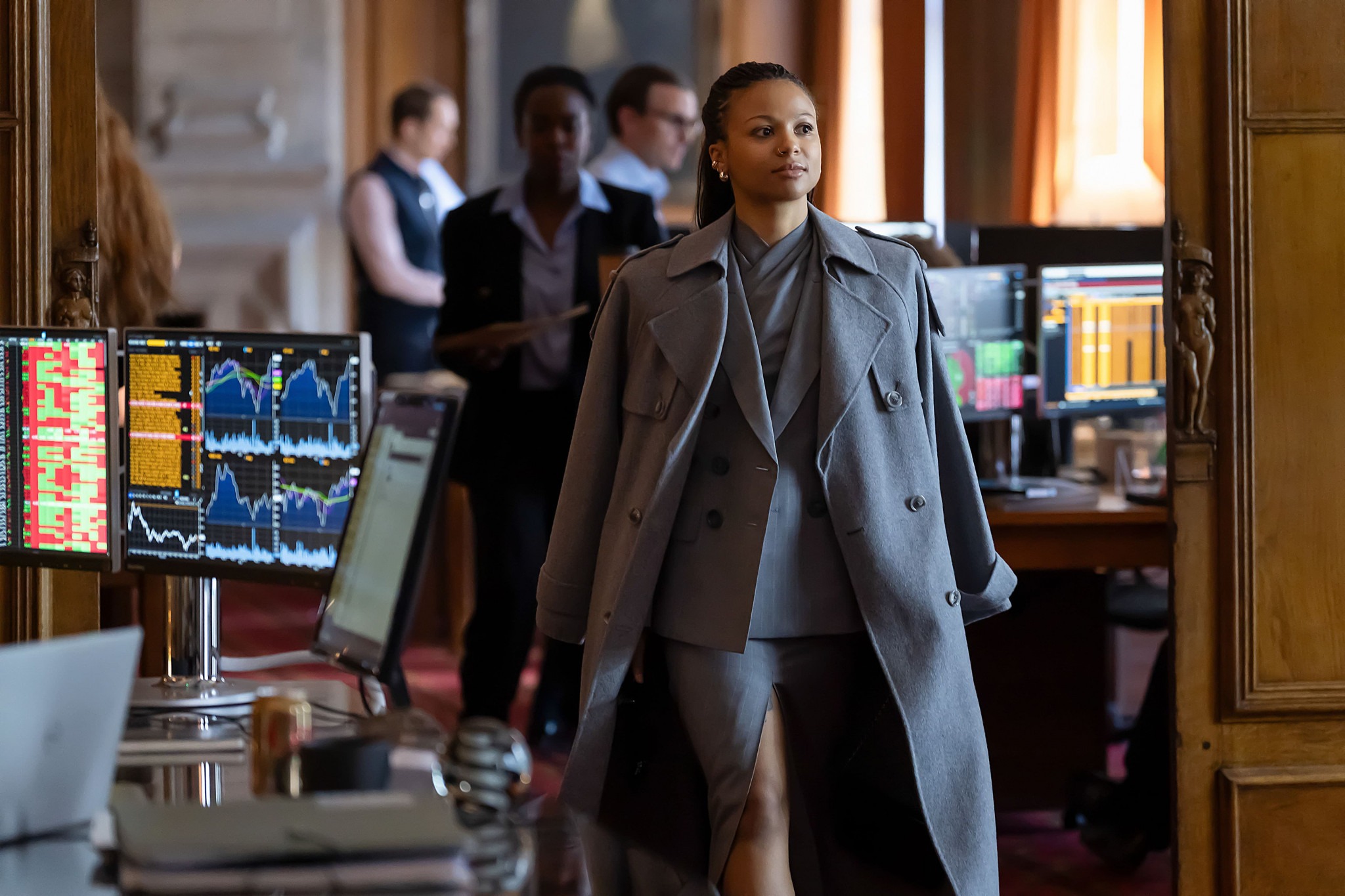
Industry season four
One of the most admirable aspects of Industry is its constant determination to re-invent itself, with showrunners Mickey Down and Konrad Kay displaying this commitment in how each season finale sees them writing themselves into a corner, before flaunting their ability to not only find a way out of it, but towards even greater heights. This continues to be true for season four of what remains the greatest show on television.
Industry remarkably never loses sight of its core protagonists
Following the abandonment of the investment bank, Pierpoint, that served as the series’ primary setting and often felt like the only permanent fixture in a show that delights in discarding beloved characters, Industry liberates itself from the confines of the trading floor and evolves into something closer to a global corporate espionage thriller that interrogates the egos and vapidity of the upper class individuals who influence virtually every aspect of institutional Britain. This, combined with the show’s continued desire to incorporate real-world events into the narrative such as payment processors shift towards banking, Britain’s changing pornography laws, the Wirecard scandal, and even Ghislaine Maxwell, creates a season which feels simultaneously more grounded and grandiose.
In spite of this massive increase in scope (and continued seamless integration of new characters) Industry remarkably never loses sight of its core protagonists. Instead, Down and Kay deftly keeping them at the heart of the narrative rather than allowing its expanding world to obscure the central character dynamics.
Indeed, the most arresting moments of the season are often found in the emotional payoffs of relationships, such as Harper and Yasmin or Harper and Eric, whose complexities have quietly accumulating for years but remained largely unspoken. It is a testament to the strength of the show’s writing that these moments feel incredibly satisfying without sacrificing the subtlety that made the relationships so compelling initially.
Comments