Listen to your guts: The importance of the gut
There are a lot of idioms surrounding our guts. Whether it be ‘gut instinct’, ‘hating someone’s guts’, or ‘having the guts to do something’, guts seem to be central to describing our feelings and situations every day. But what exactly is included in our gut, and is it as important as we deem it to be?
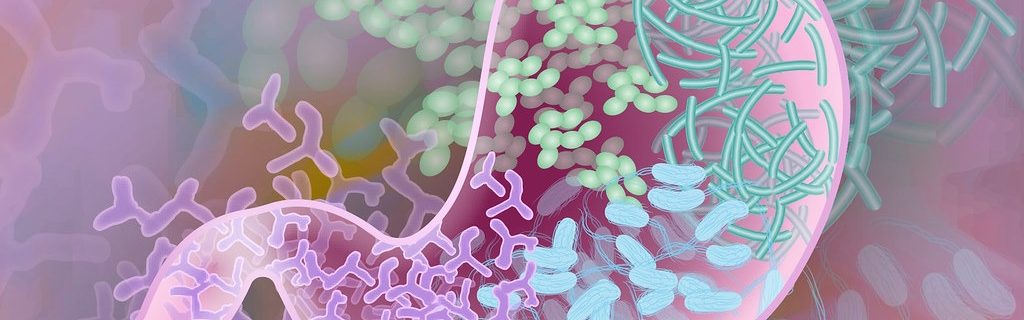
The most common definition of the gut is that it is the gastrointestinal tract. This tract includes the stomach and the large and small intestines. Within everyone’s guts are a multitude of microorganisms, referred to as the gut microbiota. Although the idea of hosting microorganisms may sound repulsive, this is both expected and pertinent for your health. So, even if accommodating over 100 trillion microorganisms (weighing as much as an adult hamster) in your gut sounds unpleasant, they are critical for your survival.
The gut microbiota is a robust defence mechanism against harmful microorganisms, and digest dietary fibre, which humans are unable to do. Furthermore, the microbiota eases the absorption of some vitamins and therefore could even influence one’s mental health. Scientists also believe that the changes in microbiome composition can influence chronic human diseases and the efficiency of therapies. This, in turn, has driven efforts to develop microbiota-centred therapies like first and next generation probiotics, prebiotics and postbiotics, microbiota editing and faecal microbiota transplantation.
The research about gut and gut microbiota started back in the 1900’s, when Russian scientist Eli Metchnikoff associated longevity of rural Bulgarians to their consumption of fermented milk products. Metchnikoff hypothesised that drinking fermented milk products could reduce harmful bacteria in the gut by introducing more healthy bacteria, prolonging life. Consequently, he was the first scientist to insinuate the gut microbiome could be altered by replacing bad bacteria with good bacteria.
Around the early 2000s, the importance of the gut microbiome became a topic of interest amongst both scientists and the mass media, and thus research around this area has rebounded significantly. Although there are many important studies surrounding gut microbiota, this article will only discuss three: Human Microbiome Project (HMP), Ingestible Bacteria on a Chip, and MIT’s research on cholera treatment.
Prior to the start of HMP, the biodiversity of the human-associated microbes had been severely understudied, and thus scientists didn’t understand their importance. Hence, in 2007, the HMP was established, aiming to characterise the human microbiota and their metabolic roles, analysing their importance in the physiology, development, and nutrition of humans.
Another objective of HMP was to develop datasets and tools that could be used to evaluate which biological properties yielded important new insights in understanding human health. The information generated by HMP is now used worldwide to understand and improve human health.
In 2018, MIT researchers built an ingestible sensor including genetically modified bacteria able to diagnose gastrointestinal issues. Synthetic biologists had already made significant advancements in engineering bacteria to respond to stimuli but only specialised lab equipment could measure their response.
The gut microbiome is crucial to human health
The MIT team decided to combine them with an electronic chip that could translate the bacterial response into a wireless signal, which would mean that you could receive the signals using your phone. The researchers tested the sensor in pigs and showed that it could correctly determine whether any blood was present in the stomach. They anticipated that this type of sensor could be either deployed for one-time use or designed to remain the digestive tract for several days or weeks, sending continuous signals.
Similarly, in 2018, MIT engineers developed a probiotic mix of natural and engineered bacteria to diagnose and treat cholera, a severe infection which kills around 95,000 people every year. Outbreaks are usually caused by contaminated drinking water, and the usual cure is intravenous rehydration. The probiotic mix that was created could either be consumed regularly to prevent infection in high-risk regions, or used to treat those newly infected with the disease.
“Our goal was to use synthetic biology to develop an inexpensive means to detect and diagnose as well as suppress or treat cholera infections”, said Collins, the senior author of the study. “If one could inexpensively and quickly track the disease and treat it with natural or engineered probiotics, it could be a gamechanger in many parts of the world.”
Ultimately, it can be said that the gut microbiome is crucial to human health, and therefore the research conducted in this area could be the route to learning more about gastrointestinal diseases in the future, thus creating a better understanding of the human physiology.
Comments