“Is this play about us?”: The current state of political satire films
As long as there has been politics, there has been satire. It has, for the longest time, been a tradition of filmmakers to satirise current events and issues.
However, recent public and critical reactions to these kinds of films have been mostly lukewarm. Tom Cruise’s recent film Digger, for example, has received poor critical attention, and is now on track to lose $245 million at the box office. So, what is the explanation for this dramatic shift in public opinion?
Why would an audience member want to spend their money on a big-screen version of something that they are seeing all the time?
One obvious answer is burnout. The internet age has forced all of us to be connected to the news 24/7, with current affairs bombarding our timelines at a staggering rate. Why would an audience member want to spend their money on a big-screen version of something that they are seeing all the time?
Some see the big screen as their only escape from the constant stream of death and dread being fed to them by the media, and don’t want to be reminded of all the pain and suffering in the world, especially in a film that they are supposed to laugh at.
Spoilers ahead for Digger.
There is also the issue that the satire will never be as current as what you see on social media. By the time a ‘relevant’ film has been fully produced, the events it was based on will have left the focus of public consciousness.
Take, for example, the influx of ‘Eat the Rich’ films that came after the Covid-19 pandemic: Don’t Look Up (2021), Triangle of Sadness (2022), Glass Onion (2022), and The Menu (2022), just to name a few. Emerging from growing public concern about wealth inequality after the pandemic, these films all satirised at the way the rich behave and how easy they would be to dismantle as a class. It was fun for a while, before people started to realise that they were the punchline.
These films don’t do anything … who would want to watch a comedy at their own expense?
Despite these films receiving moderate to major success and igniting public discussions, it became clear that no laws would change, and no one who was actively contributing to wealth inequality or climate change would be punished. These films don’t do anything – sure, they are vital for discussion and public opinion, but who would want to watch a comedy at their own expense?
This has fuelled the decline in audience engagement with these films, breeding cynicism and apathy against not only the films themselves, but also towards political systems, making people think that they may be too broken to fix.
Another factor that is driving audiences away from political satire in cinema is the idea that they are ‘preaching to the choir’. Don’t Look Up was accused of this by many critics, branded an oversimplification of real-world events with clear cut heroes and villains. The film was regarded as an almost comical representation of real-world issues, with the goal being more to entertain and make people laugh than to fix any real-world events. The message seems heavy handed and bolted on; an excuse to entertain which makes light of real-world tragedies.
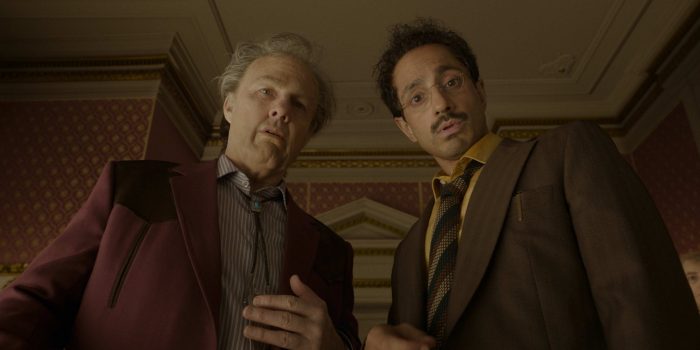
Image: Courtesy Warner Bros. Pictures
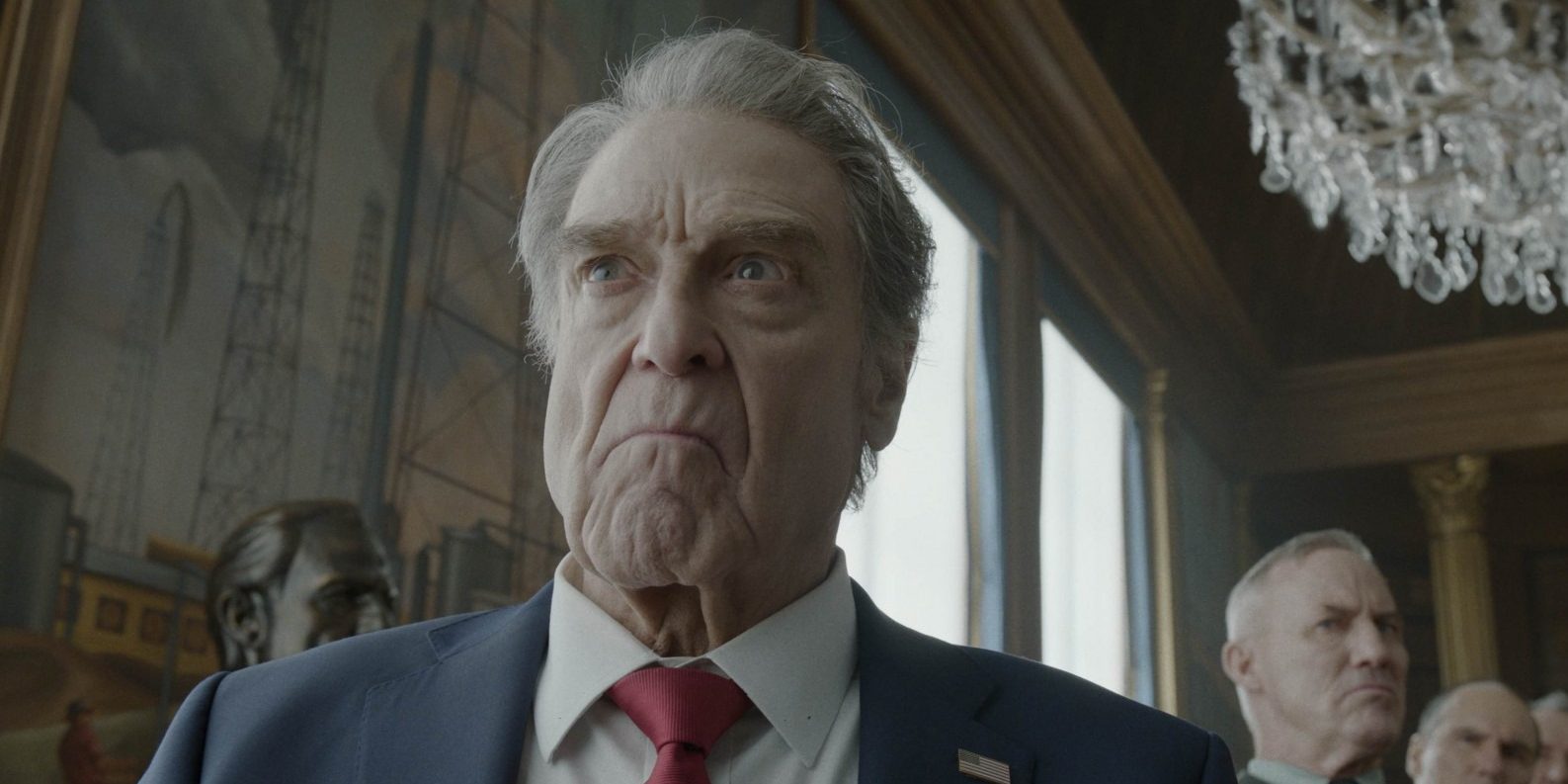
This brings us back to Digger. What seems like another ‘Eat the Rich’, climate change film is in fact a cleverly disguised vessel for an anti-satire plot that targets political satire cinema as a whole. The main plot of the film is revealed to be a theatrical play, dramatizing a climate disaster that – for the ‘actors’ in the film – has already happened. The play within the film is deliberately over the top, with a heavy-handed message and caricatures of wealthy oil tycoons.
However, when the play is over, and the audience has finished laughing, they step out into a world already ravaged by climate disaster. Digger therefore makes the point that satire – theatrical and cinematic – only serves to promote nihilism, and that people will watch and laugh, before going about their lives as usual, because the broken state of the world has simply been normalised.
Digger has fallen victim to the same audience apathy of the films it makes fun of
Unfortunately, the lack of commercial and critical success for Digger comes as a result of the off-putting nature of the films that it aims to critique. It has fallen victim to the same audience apathy of the films it makes fun of, which just shows the declining state of political satire.
Perhaps, as Digger suggests, spectacle is not activism and will not change the world. I however believe that political satire films have an extremely important part to play in political discourse, and it is a shame that they continue to decline in popularity with audiences and studios alike.
Our relationship as audiences to these films is complex, but their existence remains extremely vital to political debate. Going forward, satire films should avoid this surface-level nihilism and caricature. Then, audiences might actually engage with them on a deeper level.
Comments