If TV is dead, why am I still watching?
I was on the cusp of 13, wishing to be 30, when Friends aired on Comedy Central every weekday at dinnertime. Two episodes per hour, with ad breaks stacked between them. This was before it lived on streaming, meaning I couldn’t skip ahead or binge episodes after a bad day. I had to wait.
I’d sit there with my plate on my lap, anxious and giddy in equal measure, waiting to find out what happened next. It took me almost a year to get through a show people now finish in a weekend.
I watched Modern Family too. Being an only child, I liked having the Dunphys shouting at each other in the background. Anthony Bourdain and Gordon Ramsay, meanwhile, took me into kitchens I’d never have found on my own. None of it was selected by an algorithm, but rather, because it was simply what was on.
I don’t think television has lost its cultural impact
That sounds like the beginning of an argument about how television used to be better. I don’t think it was. And I don’t think television has lost its cultural impact either. I think we have changed what cultural impact looks like.
We don’t discover shows through a channel slot anymore. We find them through a 15-second edit, an out-of-context scene, a line of dialogue that suddenly becomes a sound on Instagram. Sometimes I watch something because a stranger’s edit made me feel something that its trailer never could.
What I do miss is the ‘first time’. Watching something before I knew what happened, before I knew which jokes were coming, or which characters I’d end up caring about far too much.
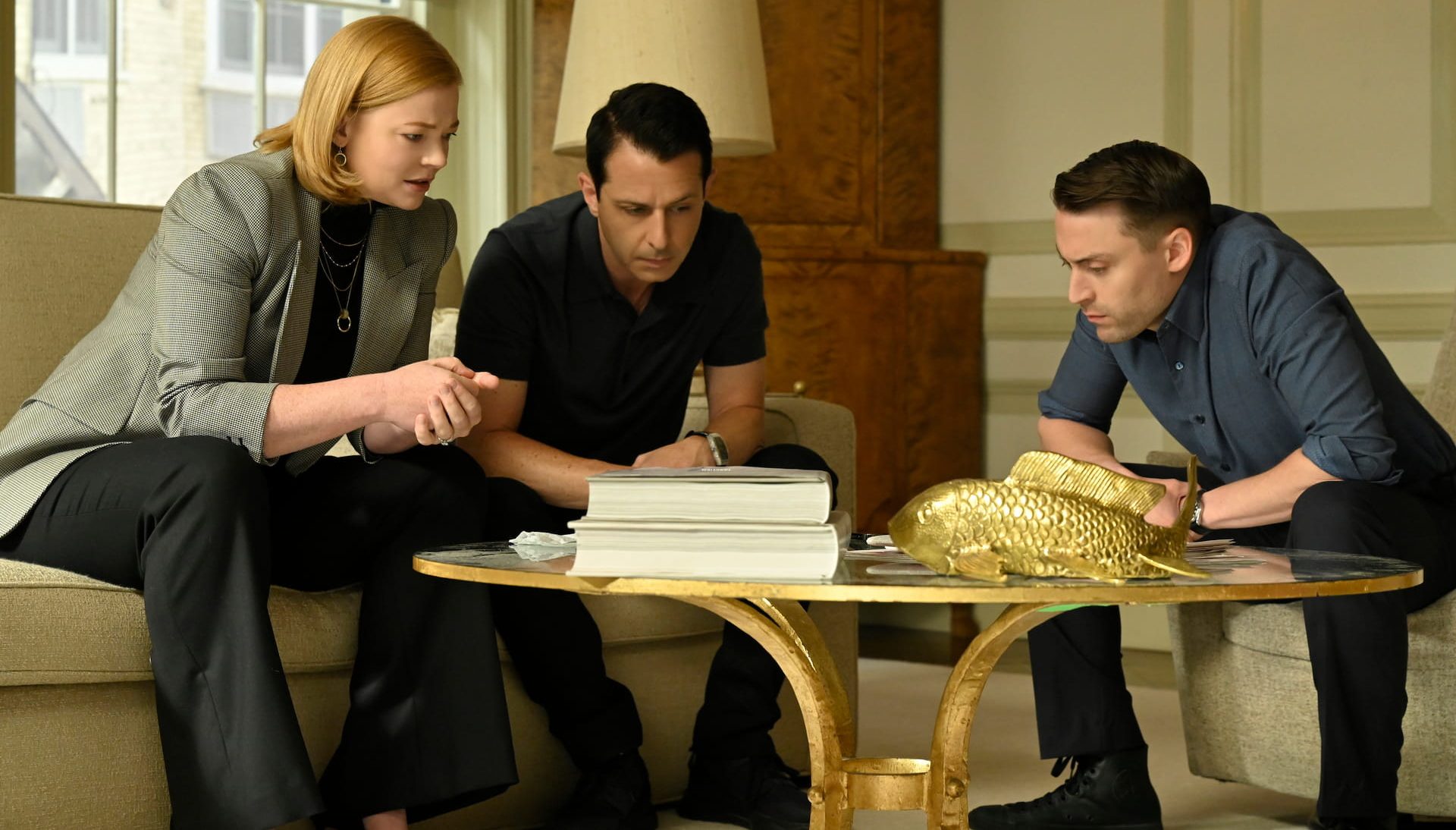
Succession gave me that feeling of discovery again. I’ve since watched it five times, and my friends and I quote it constantly. “I’m the eldest boy” will appear in a group chat and everyone immediately knows what it means.
Maybe that is why HBO, Apple TV, and FX are having their moment
That obsession extended beyond the show itself for many fans. There was an Instagram account called @successionfashion that spent the show’s entire run cataloguing what the Roy family wore. People were genuinely interested in the tailoring of fictional billionaires who were, almost without exception, completely miserable.
Maybe that is what these shows do best: they give you a world you want to spend time in, even after the episode ends.
The Sopranos is a different kind of escape. There is, obviously, the mafia, the violence, and a number of federal indictments. But what I remember most is the food. The cinematography makes you want to walk into those rooms and order whatever is on the table. For an hour, you can pretend you’re unbothered by the FBI too.
The Bear similarly, somehow makes you hungry while the characters are having the worst days of their lives. It is ostensibly about a restaurant, but you don’t have to care about cooking to understand it. It’s about family, ambition, grief, money, and the horrible feeling that your life could have gone differently if one thing had changed.
There was a particular kind of shared experience in knowing that millions of people were watching the same thing as you at the same time
Maybe that is why HBO, Apple TV, and FX are having their moment. The shows coming out of these platforms have gained cultural relevance by building audiences that are smaller and more fragmented than the enormous audiences of old network television, but often far more obsessive.
Of course, something has been lost. There was a particular kind of shared experience in knowing that millions of people were watching the same thing as you at the same time. Seinfeld, Breaking Bad, and How I Met Your Mother became cultural reference points partly because there was no guarantee you could catch up instantly. You had to keep up or risk being left out of the conversation.
Maybe that is what I actually miss about watching Friends on Comedy Central. I had one channel, one time slot, and one episode I couldn’t pause whenever I wanted. If I wanted to know what happened next, I had to come back tomorrow. When there are hundreds of shows competing for your attention, there is less chance that everyone will be watching the same thing.
A show makes you care. You send a clip to a friend. You start quoting it. Five years later, you watch it for the fifth time and still know exactly what is coming. Maybe television hasn’t lost its cultural impact. Maybe we have just stopped looking for it in the same place.
Comments