East of Eden book sales rise as Netflix adaptation releases
2026 has been a hugely successful year for book-to-screen adaptations and, somewhat surprisingly, the majority of these adaptations have been based on classic literature. Ranging from Homer’s The Odyssey, written over 2000 years ago, to Jane Austen’s 19th-century novel, Sense and Sensibility, film and TV adaptations are proving these written works to be timeless.
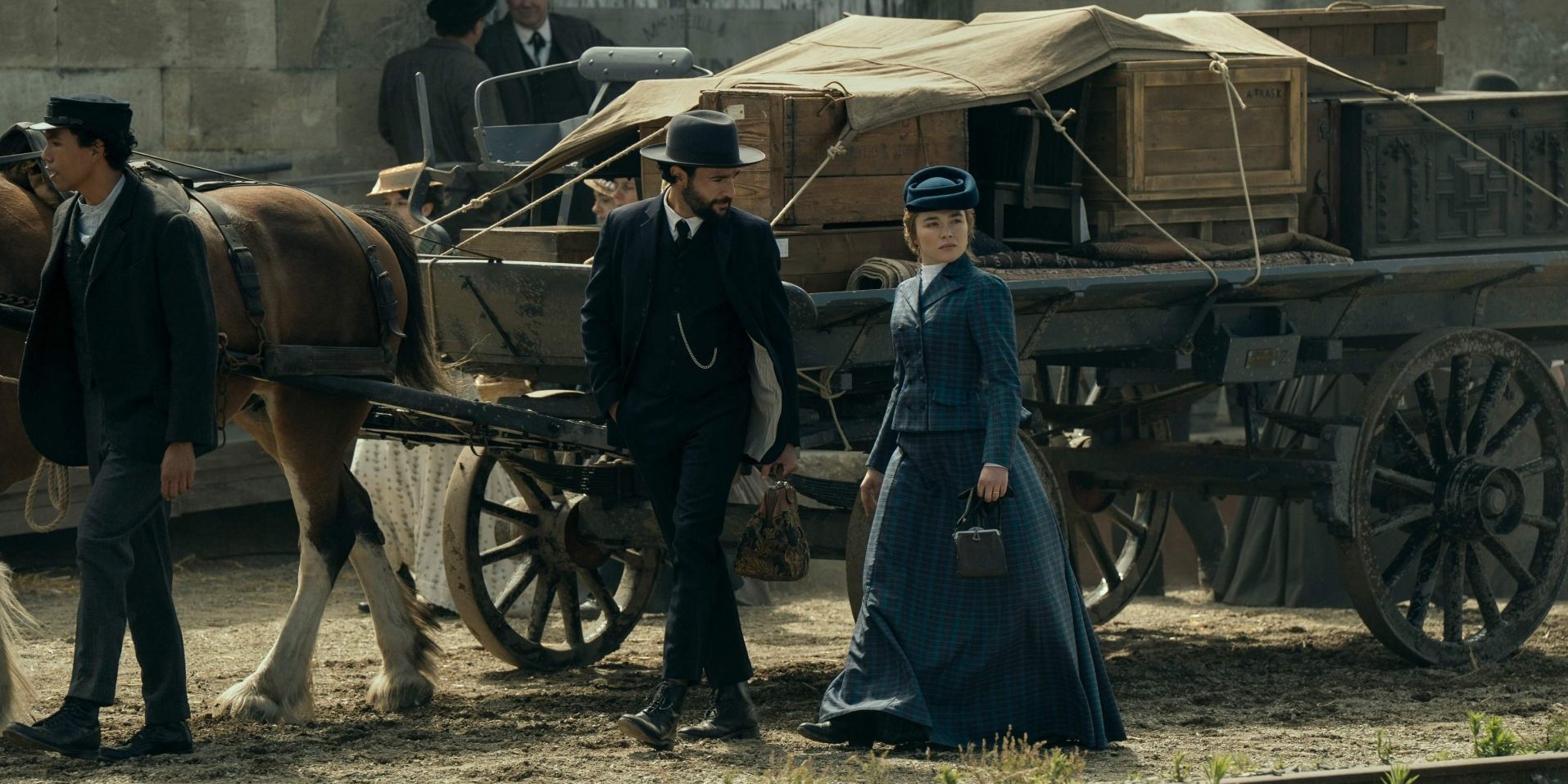
One of this year’s most recent and successful book adaptations is John Steinbeck’s East of Eden, currently streaming on Netflix and starring Florence Pugh. The story follows the lives of two families, the Trasks and the Hamiltons, as they navigate rivalry, love, questions of identity, and the struggle between good and evil. It is undeniable that East of Eden is considered an intimidating read in the literary world. Published in 1952 and spanning over 600 pages long, Goodreads rightly describes this classic as a “sprawling and often brutal novel”. However, despite this classic’s reputation for being a difficult read, The Economic Times have reported that sales of the novel have received a 200% boost, elevating Steinbeck’s work into the bestseller charts.
This isn’t the only classic novel to have surged to the top of the book charts in 2026. Following the Valentine’s Day release of Emerald Fennell’s controversial adaptation of Wuthering Heights, everyone was desperate to get their hands on a copy of the novel. Similarly, Christopher Nolan’s take on the The Odyssey resulted in the ancient epic poem reaching the Amazon charts for the first time as film fans rushed to obtain the source material.
While I do not believe that an adaptation must be an exact replica of the novel, I think it should at least maintain the source material’s core themes
Regardless of their success in cinemas and on streaming sites, book-to-screen adaptations are always subject to criticism. Partly, this is due to the director’s interpretation of a novel failing to reflect that of the individual reader, and also often a result of certain plot points and themes being entirely eliminated from the story. While I do not believe that an adaptation must be an exact replica of the novel, I think it should at least maintain the source material’s core themes. After all, screen adaptations do not have to be a replacement, but instead offer a chance for readers to return to the classic novel.
Netflix’s East of Eden has done an excellent job of balancing creative liberties while also remaining true to the text. In contrast, films like Wuthering Heights create false expectations for the non-reader who, after watching the screen adaptation, likely believes that Brontë’s novel will also be a steamy, romantic read. When considering this, one must question: is it better to read the story before or after watching the adaptation?
Personally, I love to say that I’ve read the book before it hits the big screen. I also love to point out every small difference and praise every similarity between the novel and the film. And I am sure many bookworms can agree with this sentiment. But this doesn’t mean that those who choose to watch the film before engaging with the book are doing so performatively, as many choose to argue. Instead, the recent boost of sales in classic literature is clearly informative. After all, isn’t it more performative to assume the superiority complex that only select members of society are capable of reading and understanding literature?
Book-to-screen adaptations make classic novels much more accessible to a broader audience
It is no surprise that classic literature has recently sparked this media phenomenon within the film and television industries. In an age dominated with reliance on AI and a subsequent lack of individuality, there is an increased societal yearning for intellectualism. Book-to-screen adaptations make classic novels much more accessible to a broader audience, meaning more people are giving themselves the opportunity to critically engage with literature and widen their knowledge. This is impressive when we consider the fact that classic novels are often written in a completely different style than what the modern reader is used to.
Arguably, these novels can be complex and convoluted, which easily puts a lot of people off reading them. But once you give reading classic literature a go, you will want to read them all. So, if film and television encourage more people to pick up a piece of classical literature, I hope to see the rise of book-to-screen adaptations continue in 2027. After all, these books are considered to be classics for a reason; they are timeless, and I don’t see them disappearing from the media any time soon.
Comments