Celebrity Traitors: Do we like the star-studded version, or should we stay faithful to the original?
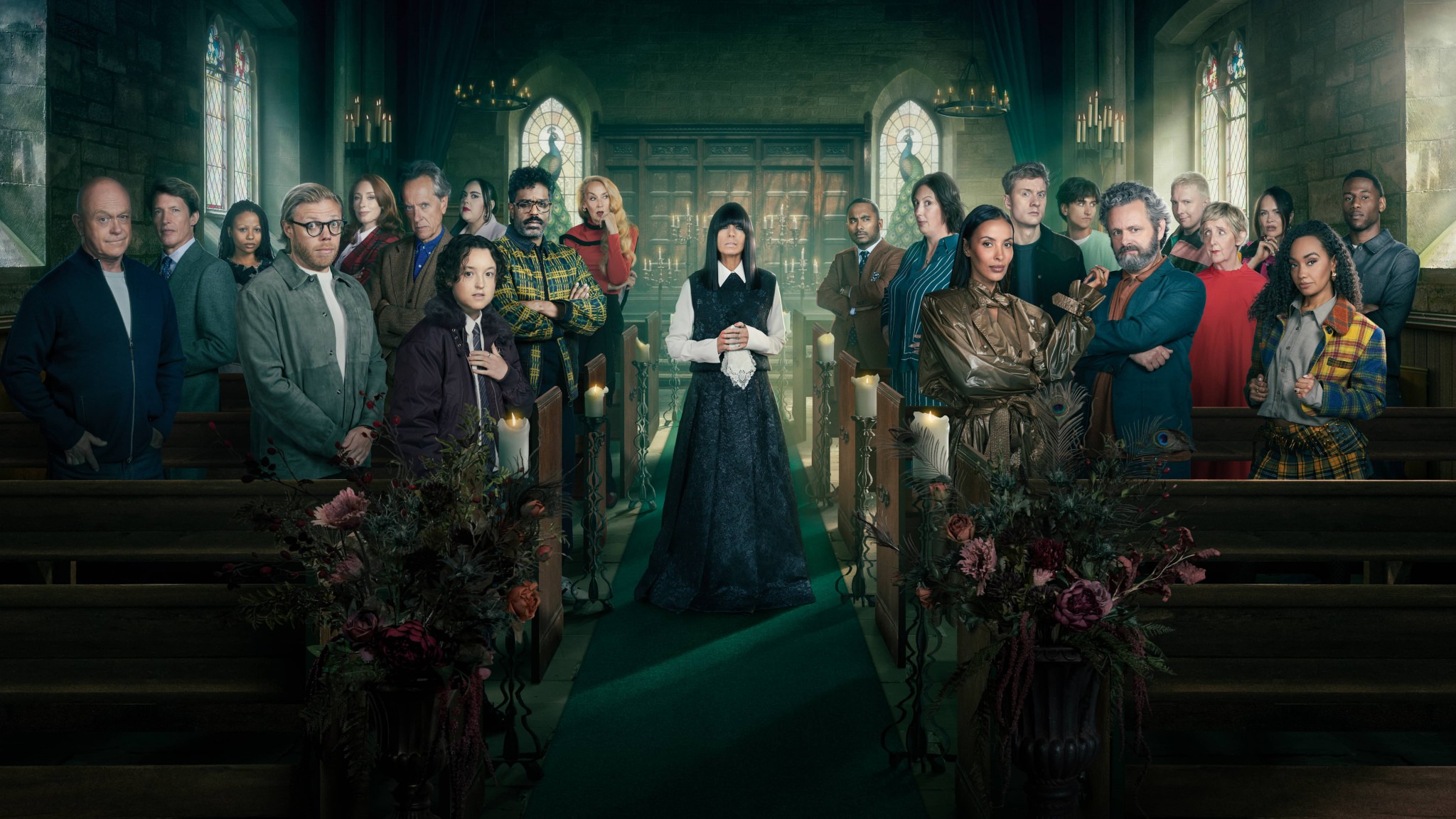
The BBC is once again bringing some of Britain’s biggest names into Claudia Winkleman’s castle, with The Celebrity Traitors returning for its second series on October 1. This year’s cast includes actors Richard E. Grant, Bella Ramsey and Michael Sheen as well as presenter Maya Jama, pop star Leigh-Anne Pinnock, alongside a particularly large group of comedians. With this star-studded line-up, the celeb version is almost impossible to ignore; but does adding celebrities actually improve The Traitors, or is the original format something we should stay faithful to?
There is something immediately easier about watching Celebrity Traitors, with recognisable faces meaning viewers can get invested in the game show almost instantly. With the original series, it can take several episodes to work out who everyone is, and even then, the perception of contestants can be shaped by editing, meaning some personalities become much more prominent than others. With celebrities, audiences already have some idea of who they are, and seeing famous friends being forced to deceive each other also creates an entertaining and new dynamic.
There is also more opportunity for deception when contestants are not already famous
I personally find the celebrity version a much calmer watch as there is less pressure surrounding the contestants, making the show feel lighter and considerably funnier. This year’s cast contains six comedians, as well as several actors and TV personalities, so there is obvious potential for humour even when the game will inevitably become tense. The celeb version still contains accusations and arguments, but the stakes feel fundamentally different. In the normal version, contestants can have deeply personal reasons for wanting the prize money, such as using their winnings to support ill parents or fulfilling life goals like travelling the world. These motivations make the game feel much more consequential, whereas in the celebrity version, the prize money goes to charity no matter who wins. This difference makes the original feel more cut-throat. When ordinary people are forced to decide who to trust, the consequences can feel surprisingly personal. Contestants spend weeks living together and then suddenly turn on one another because they believe somebody is a traitor, creating a form of reality television that combines genuine drama with the mechanics of a strategy game.
The original version also enables contestants to become celebrities themselves. Although viewers may not initially know anything about them, fan favourites can quickly become some of the most memorable contestants in the show. For example, Rachel Duffy (the winner of the previous series) became someone viewers could sympathise with and root for, and she has since been offered many media opportunities as well as writing a fantasy book that she hopes to get published. These contestants feel relatable because they are ordinary people who have entered an extraordinary situation, and their reasons for being there can feel close to the reasons many viewers may also want to go on the show.
There is also more opportunity for deception when contestants are not already famous. One of the most entertaining elements of the original format is discovering what people are really like, or watching individuals pretend to be someone else; seen in series one when Alex and Tom pretended to be strangers despite actually being in a romantic relationship. A celebrity cannot exactly invent a new career or identity. Celebrity status can also affect the relationships inside the castle, with many contestants already knowing each other. These factors create a fresh and interesting layer to the game, while also making the atmosphere less confrontational, as celebrities have public reputations to consider and would not actually feud with someone they could encounter again professionally.
Ultimately, the two versions offer slightly different experiences
This is one area where the original series feels more dramatic, with members of the public having less reason to worry about public image, meaning arguments can become far more heated. Alliances form and break, and accusations can become personal, making the original both uncomfortable and incredibly entertaining. However, the celebrity edition has the major advantage of bringing new audiences into the franchise. Someone who might not normally be interested in watching a group of strangers compete in a castle may be tempted by the presence of a celebrity they love. The cast therefore acts as an entry point into The Traitors for people who may have previously overlooked it.
Ultimately, the two versions offer slightly different experiences. Celebrity Traitors is lighter and often funnier, while the original is more emotionally intense and personal, because viewers have more time to become invested in contestants who are competing for personal reasons. Perhaps this is why both versions work, and Celebrity Traitors does not need to replace the original. With another celebrity cast entering the castle, the BBC have found a way to continue the familiar, cosy watch of The Traitors, without making it feel like the same show twice a year.
Comments