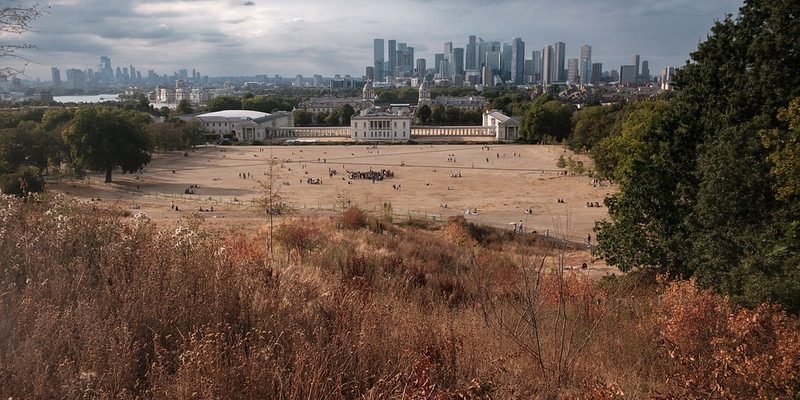
Are heatwaves the new normal in the UK?
As a child, I have a vivid memory of a 30°C primary school sports day knocking everyone back around ten paces. Shelters were pitched, ice lollies handed out, sun cream bought and used in excess. It was a fright to me and every other child and parent on the field. 30°C? We simply won’t be able to live through it. The earth will come to a grinding halt if this tug of war cannot take place. There’s no need to worry. This is an anomaly. It won’t happen like this every year.
The year was 2016 and it was too hot.
The year is 2026 and it is still too hot. That is a fact we, in an ever-changing European climate, must become accustomed to. The Met Office has stated, though the data is not complete yet, that 2026 was likely to be the UK’s hottest summer on record. Statistically, the hottest day each year in the South of England now tends to be around 4.5°C warmer than it was in 1961-1990.
The United Kingdom has historically faced damp, cold winters, and relatively mild summers. Houses were, therefore, built alongside this knowledge; we constructed traditional brick facades to retain and preserve the little heat the UK would receive in its winters. For many years, this worked in our favour. The UK had a mild, if not dull, climate, and our houses were built to withstand exactly that.
This does not have to become our new normal – not if the correct action is taken swiftly
In 2026, 45% of people now state that they struggle to prevent their homes from overheating in heatwaves, a problem that is especially prevalent for those living in top-floor flats. As the long-term effects of climate change begin to creep up on the British population and its underprepared infrastructure, it leaves us with more than a few questions: will these temperatures become regular? If so, is the United Kingdom prepared for this?
It is important to note the fact that this does not have to become our new normal – not if the correct action is taken swiftly. Professor Myles Allen at the University of Oxford stated: “it is dangerously complacent to talk about the ‘new normal’ as if we are already experiencing the climate of the future.” He then reiterated the necessity for safely reducing the globe’s generated levels of carbon dioxide, rather than catastrophising over heatwaves. While this is realistic, for the layperson suffering the high thirties in a heatwave, this placation holds very little weight.
When you live through these heatwaves, it remains a monumental task to not find yourself concerned at the rapid rate of climate change. Mike Kendon, the climate information scientist for the Met Office, explained that “We are right now living in a time of historic and unprecedented change…this evidence shows the climate of the 20th Century has now gone.” If climate conditions are going to continue in this manner, and evidence points to the argument that it will, the UK must amend its infrastructure to ensure society doesn’t come to a screeching halt.
2026’s summer should act as a call to action for Parliament
While everyone struggled over the summer, the heatwave made a noticeable difference in education and its capability to function. It is a fact that high temperatures “can significantly impair concentration and performance,” thereby harming the progress of school children across the country. Steve Chalke, the founder of Oasis Academy, has called upon the government “to come up with a short-term plan for the next few years.”
In European countries more prepared for this climate, namely France and Spain, local authorities have the guidelines and the power to temporarily close schools according to their own judgement and weather authority. The United Kingdom has no such devolved power, meaning any change would be forced to come from Parliament. This would significantly slow the decision-making process down. Furthermore, while many shops, offices, and hotels have now been upgraded to run air-conditioning, schools and hospitals are still working in insufferable heat during the UK’s summers.
So-called “heat days” could become a far more common factor in a child’s education across the UK in the coming years. Either that, or the school year could change, instead moving closer to the school holidays in Scotland, beginning in June and ending in August, rather than September. The growing climate crisis in the UK desperately needs to be discussed more in Parliament before infrastructure fails and no contingency plans remain.
2026’s summer should act as a call to action for Parliament. Not only should procedures be put into place regarding the safety of children in a heatwave such as the one we just faced, but more serious measures must be taken when considering the acceleration of climate change. Climate goals cannot merely be mentioned in a manifesto and forgotten in government.
Comments