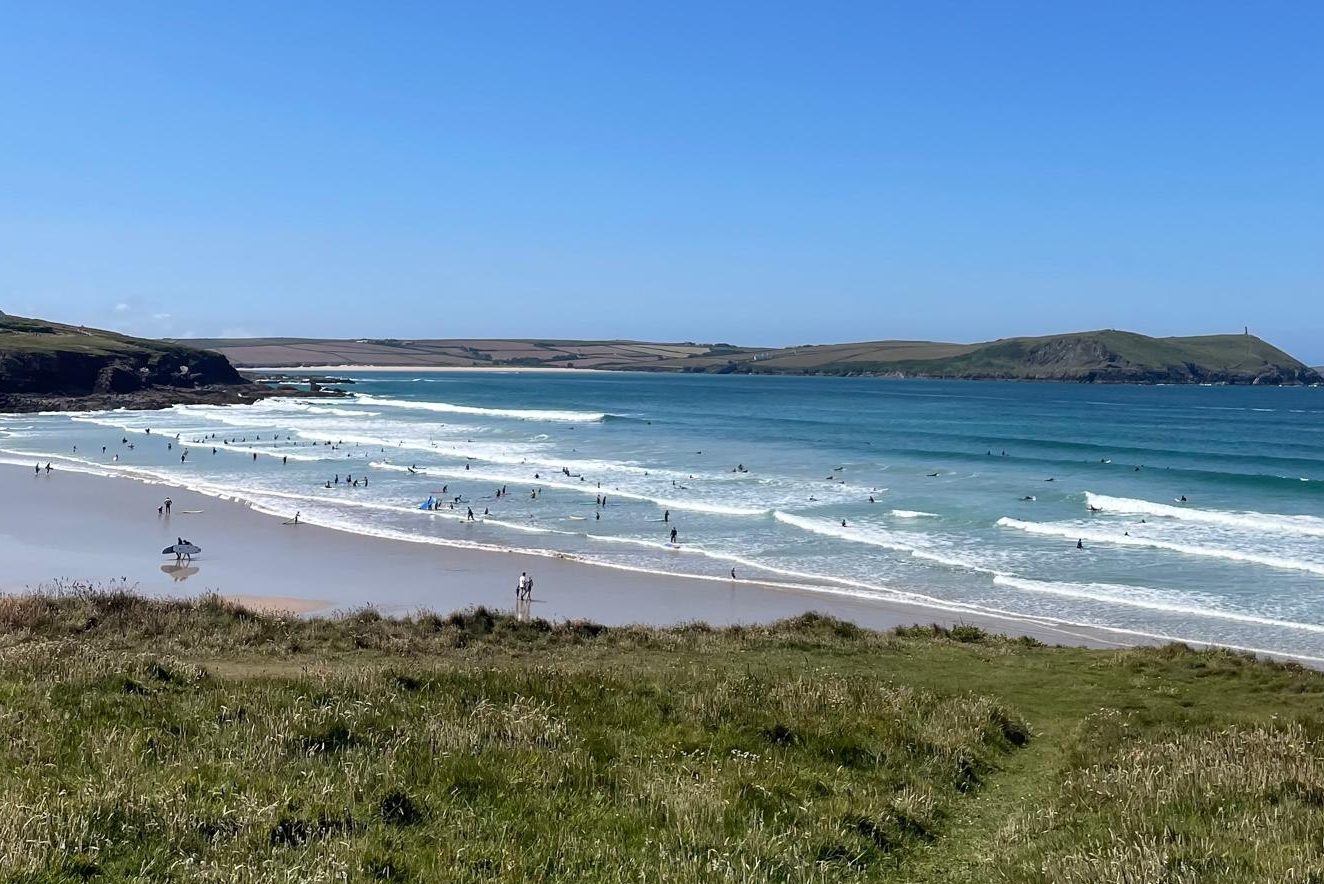
Sun, sea, surf, and seagulls: A guide to Cornwall
Named “a jewel in the UK’s crown” by none other than Prime Minister Andy Burnham, and tucked down at the end of England, Cornwall is arguably the most beautiful place in the UK. Cornwall is famous for its food, surf spots, and some of the best views in Britain. As a local, allow me to share the best of the best – a “deep-dive”, if you will, into Cornwall.
I am biased, but it is a known fact that Cornwall is home to the best beaches in the UK. We have around 400 coves and beaches, which means plenty of opportunity for beach trips. A Cornish beach sunset is truly unforgettable, and we’re lucky to experience them everyday. I can highly recommend watching the sunset on the beach with a pint.
Although, inevitably, tourists flock to Cornwall every summer, crowding the most popular locations. If you want an authentic (and more sane) summer visit to Cornwall, make sure you avoid Newquay, Perranporth and St Ives. However, Cornwall remains a beautiful place to visit whatever the season, and the sea tends to be even at its warmest in the autumn.
I can highly recommend hiking or running the South West Coast Path: going from Pendeen to Sennen Cove is a gorgeous stretch and takes you past the famous Cape Cornwall headland
Of course, Cornwall is infamous for water sports, as we are surrounded by the sea. Our north coast has some of the best surf conditions in the entire UK. The renowned Boardmasters Open Surf Competition is held at Fistral Beach every year, attracting surfers from all over the world. Everyone has their favourites, but other popular surfing spots include: Polzeath, Watergate Bay, Perranporth and Gwithian. If surfing is slightly too extreme, Cornwall’s south coast is perfect for paddleboarding and kayaking. Being out on the water is also the best opportunity to see our most beautiful Cornish residents: seals, basking sharks, and potentially even dolphins.
From theatres to natural marvels, Cornwall is full of places to visit. The Minack Theatre presents productions literally on the edge of a cliff, with stunning views of the south coast. St Michael’s Mount is famous for its legend of giants, and walkway that can only be accessed at low tide. Cornwall has a rich mining history – visit Geevor Tin Mine or Wheal Coates for a glimpse into the past. I can highly recommend hiking or running the South West Coast Path: going from Pendeen to Sennen Cove is a gorgeous stretch and takes you past the famous Cape Cornwall headland. For a more extreme challenge, hike the tors on Bodmin Moor, or venture to the “end of the earth” at Land’s End.
There are many Michelin-starred restaurants, but you can’t go wrong with the Cornish classics: a traditional Cornish cream tea (with jam first, of course), fish and chips, or ice cream
Cornwall also plays host to countless festivals throughout the year. The infamous “Boardies”, or Boardmasters festival is potentially what Cornwall is best known for outside of the county. Lily Allen and Fatboy Slim were amongst the lineup this year, attracting 158,000 to the festival.
Right down in the south west are some of the best restaurants in Britain, with plenty of opportunity for expensive fine dining, paired with a gorgeous view. There are many Michelin-starred restaurants, but you can’t go wrong with the Cornish classics: a traditional Cornish cream tea (with jam first, of course), fish and chips, or ice cream. But always keep an eye out for seagulls, whose dives can be lethal to any food held in plain view.
As you can imagine, Cornwall has more fish and chip shops, and ice cream places than you can shake a pasty at. But with “indie” coffee shops and new food places popping up all the time around the county, Cornwall has a growing food scene. Gorse Bakery serves a large selection of pastries and coffee, whereas Slice of Cornwall near Constantine has some of the most incredible loaded waffles I have ever laid eyes on. Other popular spots include: Max’s Bagels in Falmouth, Pizza Jockeys in Newquay, Wilder in Falmouth for a delicious vegan thali curry, and the highly popular Sabzi in Truro or Falmouth for salads and pastries.
But whatever you do, DO NOT buy a Ginsters pasty from the supermarket when in Cornwall. This is sacrilegious to all Cornish traditions, and you may be kicked out of the county
A quintessential element of Cornish culture is the humble pasty, which deserves its own section. For those who maybe didn’t even know Cornwall existed at the end of England, a pasty is a savoury pastry native to Cornwall, with a traditional beef and vegetable filling. Other flavours are of course available, and bakeries across Cornwall have been experimenting with ingredients, creating pasties such as feta, butternut squash, and red onion. There is a long ongoing debate around which is the best pasty in Cornwall, let alone in the UK. We even have a competition, the renowned Global Pasty Championships, where an array of awards are given to pasty enthusiasts each year. But whatever you do, DO NOT buy a Ginsters pasty from the supermarket when in Cornwall. This is sacrilegious to all Cornish traditions, and you may be kicked out of the county.
In short, Cornwall is (arguably) the best place in the UK. More than just a tourist destination, our humble county is much more than a picture on a postcard. It’s the sound of gulls, the salty breeze off the sea, and the taste of an award-winning pasty. The individuals and local businesses make it the bustling county I know and love: a place I am proud to call home.
Comments