Small-screen potential: The films that television could reinvent
With the recent announcements of television series based on films, such as Harry Potter, Carrie, and Cape Fear, the past decade has transformed television from cinema’s smaller-screen sibling to one of its biggest competitors. Indeed, at the height of the so-called ‘Peak TV’ era in 2022, 600 original scripted series were estimated in the US alone.
Television undoubtedly suits the lives of people today with its shorter duration, so it is unsurprising that it has become a popular means of entertainment. However, more importantly, more than two thirds of the 100 most popular films and television programmes of 2024 were based on existing intellectual property, revealing that adaptations have become particularly attractive, in part due to the increased demand for television series.
An advantage of television series over film is its ability to explore the worlds and characters in greater depth, as well as generating a fan base that has consistent consumable content. While television is not ideal for all adaptations, here are some films that show potential to be suited to the small-screen format.
Knives Out
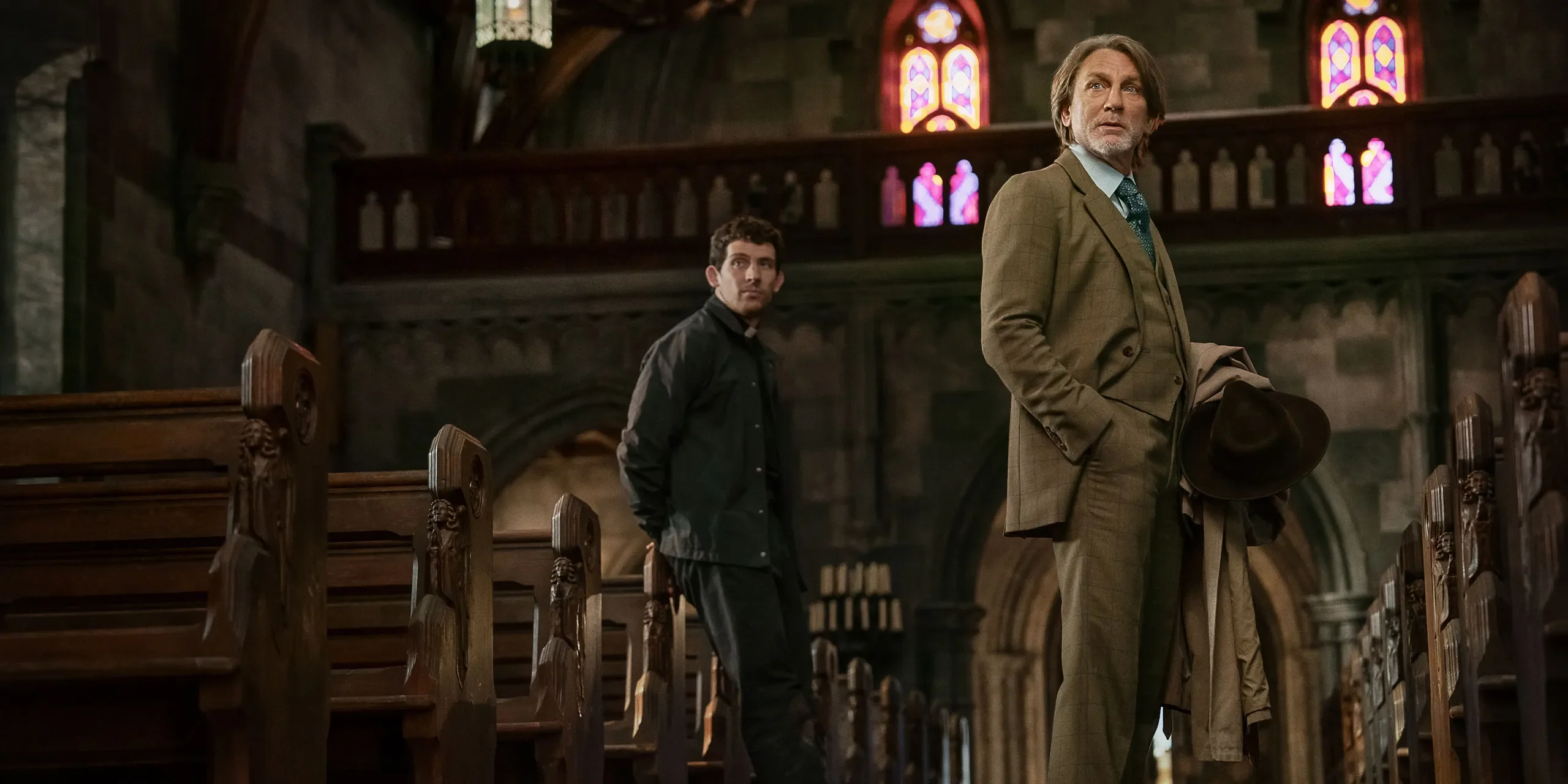
The dark and twisted Knives Out film series is begging for a television reboot, with its central character of Benoit Blanc being tasked with different mysteries to solve under different contexts each season.
The expanded screen time offered by television would allow the audience to spend more time with each suspect existing in their environment, while revealing a new clue each episode. For a mystery, this would be especially beneficial for the audience, who would be able to engage with the puzzle and share their speculations.
Television’s extended length would also generate a more satisfying reveal at the end of the season, having built suspense over a much longer span of time. Furthermore, this format could also push the writers to create more competing theories and red herrings.
Wuthering Heights
The episodic nature of the novel lends itself perfectly to television.
Film adaptations of Wuthering Heights struggle to capture the full potential of the narrative because the world within the novel is so extensive and the tales so twisted and intermingled. Because the filmic medium is often characterised by constraint, many events of the novel inevitably must be left out of adaptations.
A television series would lend more time to focus on fidelity, preserving the structure and scope of the novel. The setting of the isolated, harrowing moors would also be permitted more time, immersing the audience in this world.
Crucially, a television format would lend itself to the exploration of the second generation, an aspect that is frequently condensed or sidelined by film adaptations yet reveals a large part of Heathcliff’s malicious character.
Jennifer’s Body
A modern television adaptation of Jennifer’s Body would allow for more complex character development, spending more time focused on Needy and Jennifer’s friendship before everything falls apart.
Jennifer’s popularity could also be expanded upon as a source of tension within the friendship, exposing the dependency and jealousy that hides beneath the surface of the companionship.
Importantly, rebooting the film into a television series would allow directors and writers to incorporate some of the prominent feminist readings that came about after the film’s release, delving into themes like bodily autonomy and patriarchal exploitation.
The Truman Show
A filmic world as intricately designed as The Truman Show deserves more time to unpack. Replicating this world into television would make more space for Truman, and the audience, to experience the setting before inconsistencies begin to emerge.
Once Truman begins to suspect that something is going on under the surface, there could be more attention aimed at the production: how the actors maintain their roles, how producers respond to Truman’s suspicions, or how advertisers integrate their products into the show.
The episodic nature of television would also foster suspense over the course of the narrative, revealing small hints throughout the show and creating that sphere of communal speculation which television does so well.
Lastly, a modern remake of the film would bring the narrative closer to present day concerns of surveillance and social media. In a world where people willingly air their lives to the world on TikTok or Instagram, writers could pose the question of what Truman’s situation means amongst influencers and family vloggers.
Ultimately, the best film-to-television adaptations shouldn’t exist simply due their familiarity and recognition with audiences. Television offers something that cinema inevitably cannot: time to interrogate characters, worlds, and stories that refuse to fit neatly into two hours.
Whether that means giving more attention to the relationship between Jennifer and Needy, or finally allowing Wuthering Heights to unfold across its full generational scope, the small screen can offer more depth than film. However, as Hollywood continues to remake these beloved classics into the next streaming hit, perhaps the question shouldn’t simply be which film can be turned into eight episodes, but which ones have eight episodes’ worth of story to tell.
Comments