Midlands farmers fear pumpkin shortage ahead of spooky season
2026’s scorching summer months may have finally drawn to a close, but the catastrophic impacts of Britain’s hottest summer since 1884 are beginning to show in bizarre ways.
More than two-thirds of the country, including Warwickshire and much of the Midlands, was declared drought-stricken across July and August, with the Environment Agency expressing concern as the agricultural sector reported “reduced crop yields, poor grass growth and pressure on winter livestock forage stocks”.
A record 40 days of temperatures above 30 C were recorded by the Met Office, eclipsing the previous record of 34.
There is real worry among Britain’s farmers that this year’s pumpkin crop has ripened too prematurely to remain fresh for the height of Halloween festivities. Disruption from Britain’s usual summer weather patterns has caused dramatic changes in seasonality and yields.
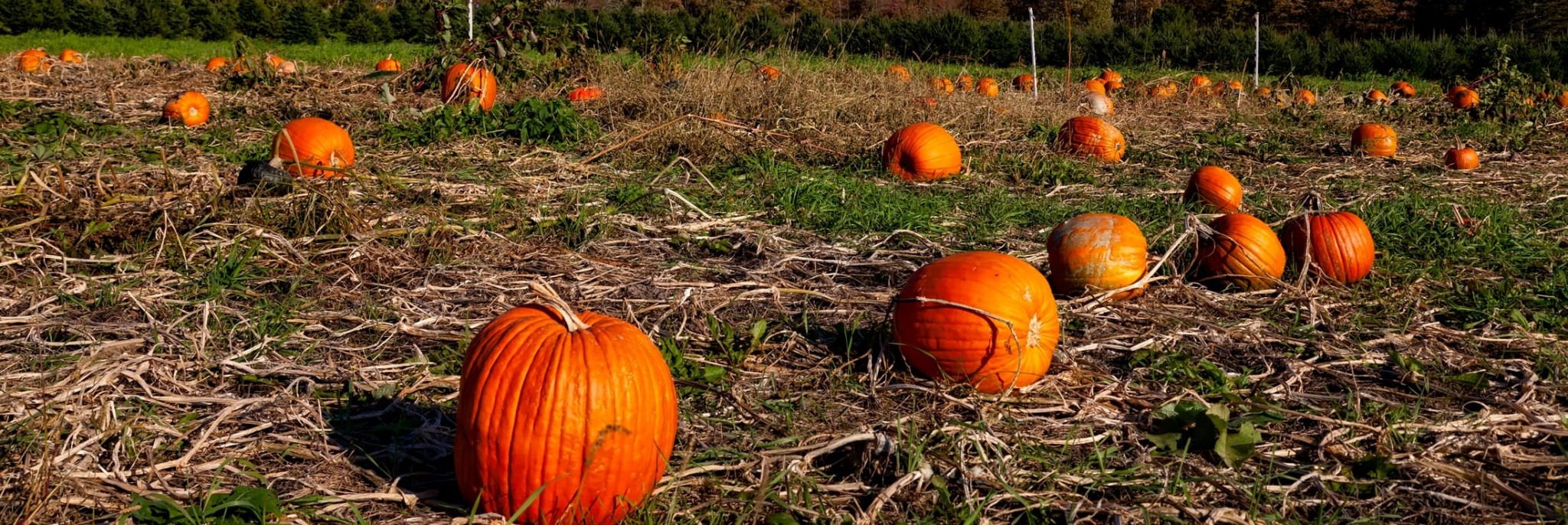
Premature ripening of the Midlands farm’s produce may leave Pumpkins R Us with fewer pumpkins to sell at a crucial time for the plant
At Pumpkins R Us, a pumpkin farm that serves as a popular tourist attraction in Southam, Warwickshire, all of their produce has already ripened.
Typically, pumpkins ripen from late September to October, requiring a mixture of rich, well-drained soil and plenty of sun to develop their characteristic orange colour.
Premature ripening of the Midlands farm’s produce may leave Pumpkins R Us with fewer pumpkins to sell at a crucial time for the plant.
Pick-your-own pumpkin farms have become a lucrative business across the country thanks to their popularity on social media. It offers an opportunity for farmers to diversify their incomes ahead of winter, which can bring unpredictable weather that threatens income from produce.
Speaking to the BBC, a farmer from Flintshire has said that they can make up to £30,000 an acre by offering the experience, with revenue coming from providing additional services, such as serving refreshments and photo opportunities.
As autumn arrives, prematurely ripe fields of pumpkins serve as an unfriendly reminder of just how much Britain’s agriculture is at the mercy of the climate.
Comments