Memories of monsters: TV antagonists that stuck with me
There are many parts of shows that make them worth your time, especially those which span multiple seasons and can therefore spotlight a range of character arcs and subplots. However, to engage an audience, many such shows benefit from a compelling villain. Here are three villains whom I find incredibly memorable – beware of potential spoilers in each section.
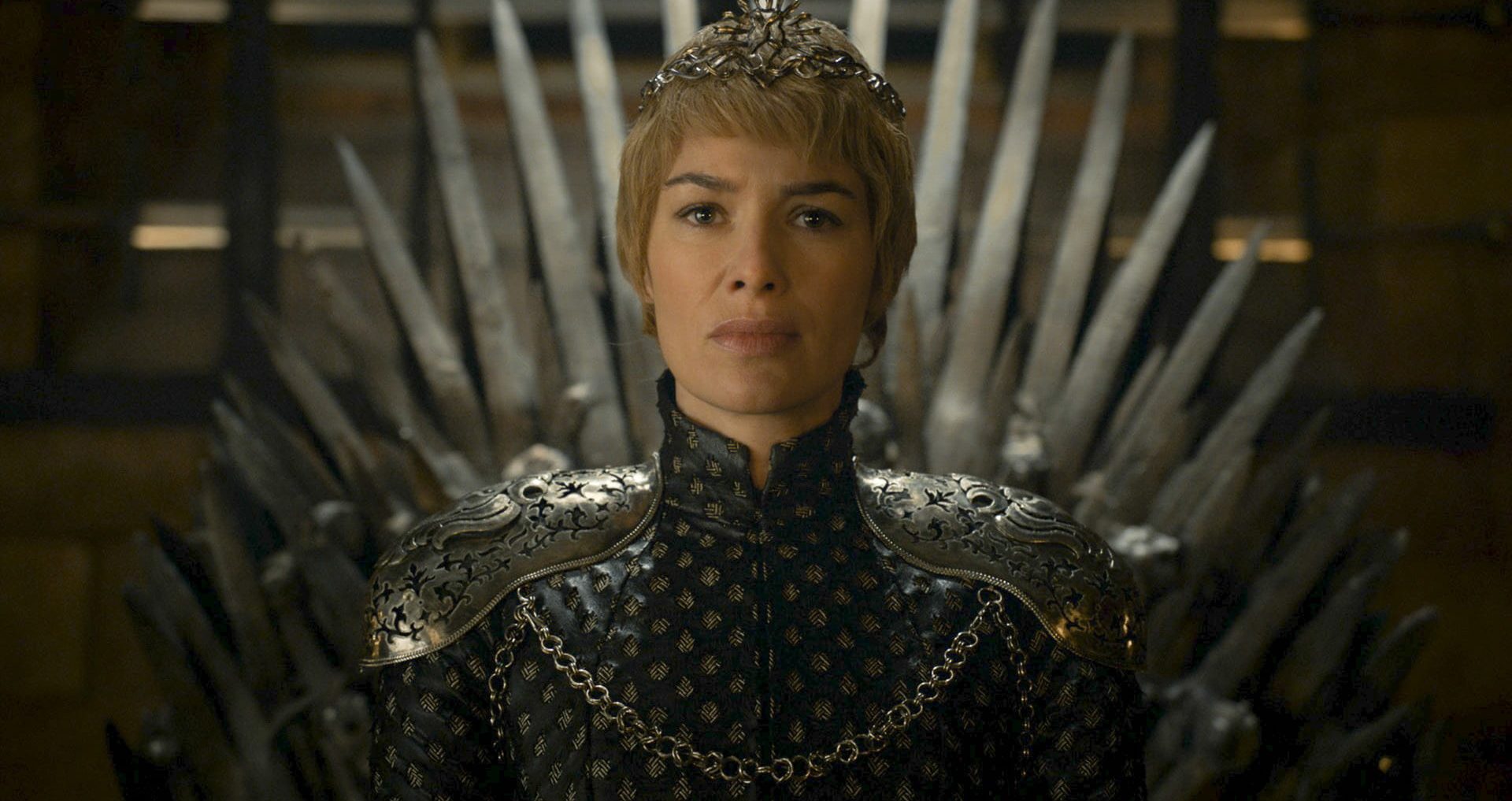
Cersei Lannister (Game of Thrones)
Starting off strong with a show that features many ruthless villains, Game of Thrones, Cersei Lannister is the golden example of bitterness, power abuse, and a mother’s suffering all wrapped into one mess. Her introduction in the show perfectly sets up the audience to be not only disgusted by her lifestyle, but fearful of the lengths she will go to conceal it. Do I condone her actions? Of course not. But I can appreciate when a villain is efficient, vivid, and acts on their word – Cersei embodies exactly that sketch.
Like mother, like son (one son, at least), Cersei gets things done
Like mother, like son (one son, at least), Cersei gets things done. She does anything to protect herself and her children. Aside her callousness to nearly everyone else, her maternal devotion was admirable – perhaps her only just quality. And, with the controversial writing of other women throughout GoT (a can of worms for another time), it was refreshing to see a villainess embody both fierce love and irredeemable apathy at once.
In fact, my favourite scene in GoT comes from the season six finale. Cersei executes an iconically ruthless plan, killing several important characters in a frenzy of green fire and smoke. Even if one of those characters was among my favourites, the haunting artistry of the scene – the music, build-up to the explosion, the slow realisation that something is terribly wrong – is what made Cersei one of GoT’s most iconic villains. And so, I enjoyed disdaining her throughout the seasons. As she says, “power is power” – and power, Cersei shows, can be a devastating thing.
The Trinity Killer (Dexter)
Perhaps the most famous villain of the Dexter franchise is the Trinity Killer (Arthur Mitchell). Evading the police through assuming the facade of an innocent family man, Arthur hides a history of calculated murders – including arguably one of the most unexpected in the whole series. Even aside from Arthur’s character, the shock factor of that murder is likely what sticks in most people’s minds when they think of Dexter’s infamous Trinity Killer. It might even be considered the peak of the show, and a dramatic turning point for Dexter.
There was never a relaxed moment watching his mood snap back and forth on screen, especially knowing what he is capable of
However, amongst the various villains Dexter faces, Arthur also stands out purely due to the personality and sheer volatility of his character. He has an unsettling enough introduction in the show, and a memorable modus operandi to match (killing in threes, as most would assume by the name). As his time in the show unfolds, he shows his range of faces from a giddy older man to a cold, heartless husband, father, and killer. There was never a relaxed moment watching his mood snap back and forth on screen, especially knowing what he is capable of.
What was especially interesting to see was how Arthur challenged Dexter’s own sense of self. Tracking Arthur under the fake name of ‘Kyle Butler’ and settling into fatherhood, Dexter’s enemy becomes his own disguise: a family man by day, and expert serial killer by night. What better way to not only conflict Arthur and Dexter, but to present them as two hauntingly similar types of ‘monster’?
Dracula (Castlevania)
Now, moving onto my last choice, Dracula in Castlevania, a character who is as sympathetically tragic as he is dangerous and wrathful. Castlevania is an animated series based on the video game franchise of the same title. The show is set into motion by Dracula falling in love with a woman, Lisa, who is burned at the stake under suspicion of witchcraft. Spiralling into a genocidal rage, even after providing a year-long window of opportunity for the Church and people of the village to make peace, Dracula declares war on humanity. Dracula’s patience is, at first, a product of the love and mercy that Lisa taught him in life. His action, then, is a retaliation against human cruelty.
Rather than forming a clear cut between good and evil, Dracula’s madness is a grey area
What stands out about this portrayal of Dracula is that the story immediately opens with the reason for his turn to villainy. Thus, even as other villains get introduced, his story of lost love, a broken family, and injustice solidifies the narrative.
Rather than forming a clear cut between good and evil, Dracula’s madness is a grey area. All of humanity did not need to suffer for his loss, yet the pride of a few powerful humans plunged the world into war. Overall, his antagonism is driven by a bitter desire for vengeance – one that is both difficult for the audience to entirely fault him for, yet a force that could cause the extinction of humanity if left undefeated. Dracula’s character shows the dangers of pride, the cost of injustice, and the consequences of grief and power gone mad. Such villains are worth remembering.
Comments