What happens when a country defaults on its debt?
Put simply, a sovereign debt default happens when a country is unable to repay its debts. The IMF denotes three types of sovereign defaults: technical, substantive, and contractual. Technical defaults are missed payments on domestic or foreign debt that do not fall under the definitions of default by third parties like credit agencies. These defaults can include issues like administrative errors hindering payment of debt. Substantive defaults are actions that are considered defaults by third parties but do not breach the legal obligations of the contracts the debt was taken, such as debt restructuring. Contractual defaults, the most severe, are actions considered both a breach of contract of the debt and recognized as defaults by third parties, such as missing payment of debt for longer than 30 days.
Defaults can occur for a variety of reasons. The simplest reason is taking on debt that becomes too high to pay. Unexpected shocks like severe recessions or economic stagnation reducing creditor confidence can also make repayment harder. Debt denominated in foreign currency can also be harder to repay during budget shortfalls as governments can’t simply print more as they do with their own currencies. Roch and Qian from the IMF and World Bank found that weak institutions and strong political polarisation within them can also induce defaults. Additionally, political instability, economic mismanagement, and corruption can exacerbate the situation.
The IMF or World Bank could be called into the negotiations to provide emergency loans
Unlike individuals, there is no international bailiff to liquidate a government’s assets. Sovereign countries benefit from the doctrine of sovereign immunity, which prevents courts from issuing rulings against foreign states. However, a state’s commercial assets in foreign countries can be sued in the jurisdictions where they are based, and recently creditors have managed to sue defaulting countries in British and American courts, such as with Argentina in 2001.
The immediate consequences of default are that debt restructuring negotiations take place. The distressed nation is forced to renegotiate the contract of its debts with all its creditors. Bondholders, for example, may take a “haircut” in their loans’ value, meaning they write off a percentage of what they’re owed. The maturity dates on government bonds can also be pushed forward to allow more time for a government to repay outstanding debts. The IMF or World Bank could be called into the negotiations to provide emergency loans to the distressed economy contingent on economic restructuring programmes.
The debtor government may also find itself cut out of international borrowing markets. Defaults impact a country’s borrowing reputation internationally, making foreign creditors believe they will lose money by lending to the borrowing country. Credit rating agencies like Moody’s can sharply reduce a government’s credit rating, making it harder for them to raise more debt and forcing them to accept higher interest rates if successful. Trade sanctions and other legal reprimands may also be imposed on the borrowing country.
Longer-term, the country’s macroeconomic indicators are sharply affected. The local currency can plunge in value compared to the US dollar, strongly increasing inflation for import-heavy economies. The real GDP per capita of the defaulting nation is affected to the tune of an 8.5% contraction compared to non-defaulting nations after 3 years, and up to 20% after 10 years. 10% more of the population falls into poverty after 10 years, and infant mortality rates rise by 5 per 1,000.
The poverty rate doubled, with 26% of the population impoverished
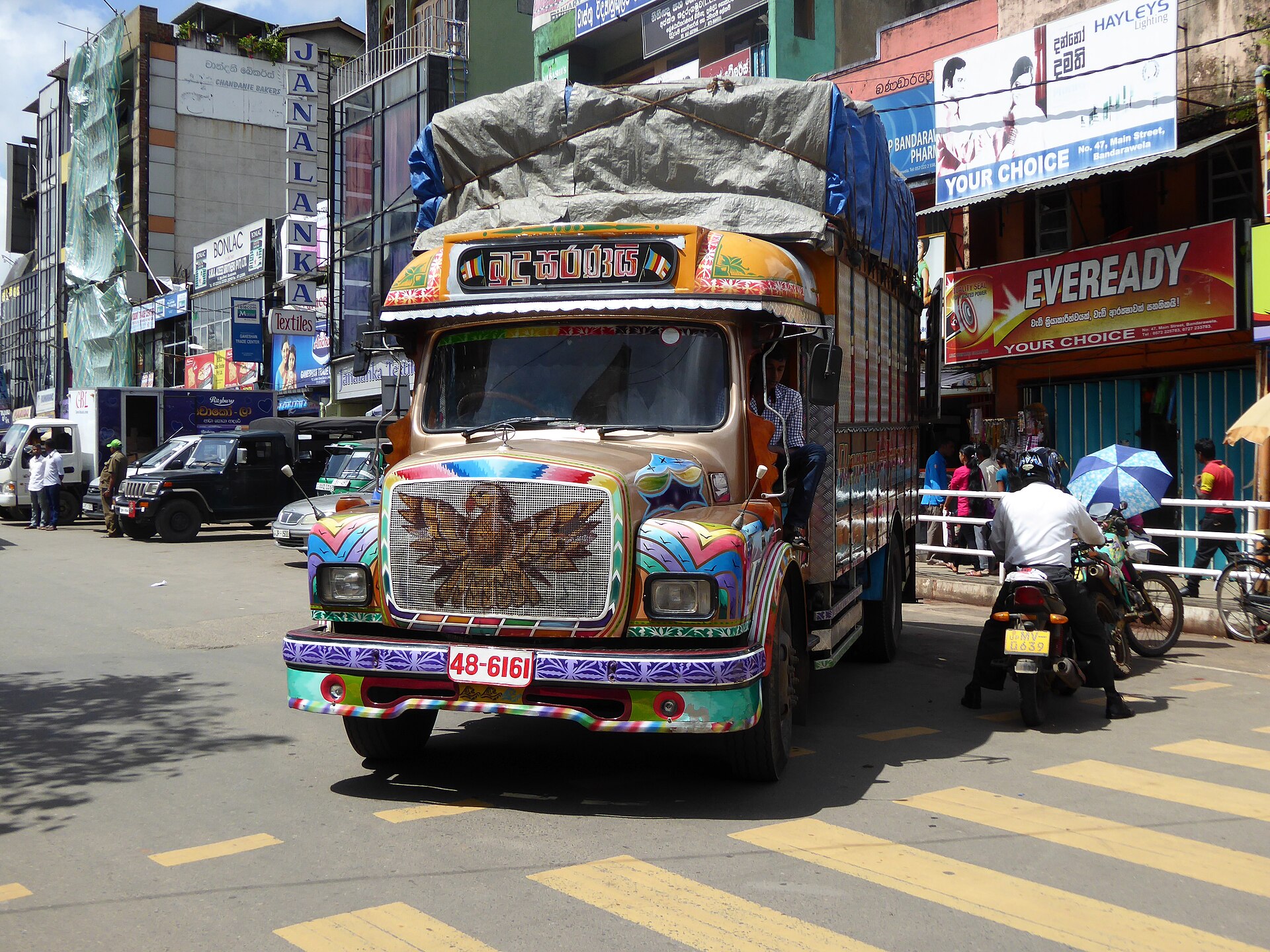
Examining Sri Lanka in 2022 would help in understanding the concept of sovereign debt. Sri Lanka underwent a serious economic crisis when it defaulted on its debt for the first time in its history in 2022. Severe structural issues plagued the country’s economy: large tax cuts in 2019 cut government revenues by $1.4 billion and reduced its international credit rating from B- to CCC, cutting off access to international credit markets. The country underwent persistent budget and current account payment deficits leading up to 2019 owing to its weak export base with heavy dependence on imports. The country spent crucial foreign exchange reserves maintaining an exchange rate of 200 LKR/USD in 2021. A tourism-heavy economy, Sri Lanka also suffered heavily from the 2019 Easter bombing and then the border shutdowns caused by the Covid-19 pandemic, the latter leading to further declines in remittances and exports, depriving the country of foreign currency windfalls. Foreign currency reserves plummeted from $7.6 billion in 2019 to $250 million in 2022. All this led to the Sri Lankan government declaring default on foreign debt payments in April 2022.
The default had devastating consequences for the Sri Lankan economy, kickstarting weeks of protests that ultimately led to the president fleeing into exile that July. There were shortages of goods and fuel as inflation skyrocketed, with rolling blackouts and food inflation reaching 95%. The poverty rate doubled, with 26% of the population impoverished as critical subsidies for fuel were removed while taxes on goods were doubled.
With support from India and Western nations, with India extending a $4 billion lifeline, the country began a debt restructuring process that took nearly a year to negotiate with the IMF. This was because China was slow in giving financial assurances, preferring direct bilateral negotiations. The restructuring process was finalised in 2024.
In conclusion, sovereign default is therefore less an endpoint than the beginning of a painful process of economic adjustment. While governments cannot be repossessed in the same way as individuals, default carries substantial costs through lost access to credit, currency depreciation, inflation, and declining living standards. Sri Lanka demonstrates how domestic policy failures can combine with external shocks to turn mounting debt into a broader economic and political crisis. Ultimately, sovereign debt crises are not simply about whether a government can repay its creditors, but about who bears the cost when it cannot.
Comments