We plant seeds: How your garden could spark a change
Stop mowing your lawn.
No, really. Put the lawnmower away. Read a book, go for a walk. Do literally anything else instead. But stop mowing your lawn. It sounds absurd – how could something as insignificant as letting your grass grow possibly matter when the planet is warming, ecosystems are collapsing, and the people with the greatest power to act seem determined to do anything but?
But last week, I walked home from work – a short journey of less than fifteen minutes – and counted more than thirty dead bees on the pavement. Statistics about climate change can be terrifying, but sometimes you don’t need statistics. Sometimes all you need is to see a pavement littered with insects that should still be alive.
England has never been built for this heat. As a country better known for drizzle than drought, our homes, infrastructure, and public spaces simply aren’t designed for summers that rival parts of the Mediterranean. Every year, record-breaking temperatures become less remarkable and more routine. We feel it in our homes, our hospitals and our countryside, and our wildlife feels it too.
Seeing those bees broke my heart. But sadness wasn’t what consumed me. It was sheer, blind rage.
Individual responsibility has become the preferred language of environmental politics. We are told to recycle more, eat less meat, buy reusable shopping bags, and swap plastic straws for paper ones. None of these things are bad. But we exist alongside corporations that continue emissions on an industrial scale and billionaires who burn more fuel on a single private-jet journey than many people will in an entire year. We are asked to change our habits while those with the greatest power to change the system instead continue to profit from it. Personal choices matter, but they cannot, however, substitute for systemic change.
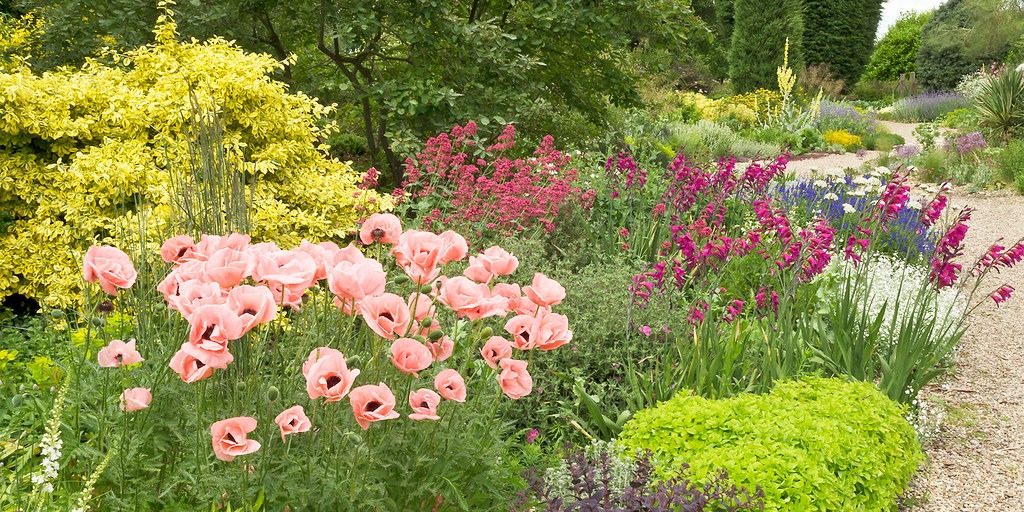
Every patch of soil has the potential to become a haven for insects, birds and plants that are increasingly losing their habitats
This imbalance breeds a particular kind of frustration. We are expected to carry the guilt while those with the greatest capacity to reduce emissions profit from the industries driving the crisis. The result is a generation paralysed by climate anxiety while being handed increasingly useless solutions. So what can the average person do? Protest. Vote. Organise. Boycott. Make life as uncomfortable as possible for those complicit in our destruction.
But between high-effort collective action lies ordinary life. The problem is that people are exhausted. We are all worn thin by life, from the cost-of-living crisis to daily exhaustion. Work drains what little energy remains, and asking someone to dedicate every spare hour to activism is unrealistic. And so I propose something far smaller, in its own way quietly radical: a micro-rebellion that starts in your garden. The average garden isn’t enormous, but it doesn’t need to be. Every patch of soil has the potential to become a haven for insects, birds and plants that are increasingly losing their habitats. We have the capacity to restore nature and our local ecosystems. Sometimes the most revolutionary act is doing less.
A few years ago, I visited Barcelona, and what struck me was the trees. Streets were lined with dense canopies that softened the relentless heat, cooled the air beneath them and filled the city with colour. It was beautiful, practical, and effective. I think about that whenever I look out of my bedroom window. Instead of green abundance, I see a sea of immaculate lawns: perfectly trimmed grass, carefully weeded borders and leaves swept away almost as soon as they touch the ground. Gardens maintained with a precision typically reserved for the military; it must take hours. But more importantly, it strips away the very things that make a garden alive.
Lin-Manuel Miranda writes in Hamilton: “We plant seeds in the ground, we create”. The lyric is about revolution, but it captures something surprisingly literal. Every garden is a political space. Every decision about what grows there shapes the world beyond its fence.
The modern lawn has never really been about nature. It is about wealth. Before mechanical lawnmowers existed, maintaining acres of perfectly cut grass required servants and enormous amounts of labour. A sprawling lawn demonstrated that you owned land you didn’t need to farm. It was conspicuous consumption in landscape form: the Gucci belt of the eighteenth century. Over time, that aristocratic status symbol became the suburban ideal.
What began as a display of excess has now become one of the least ecologically useful features in millions of gardens around the world. We spend hours mowing, watering, and maintaining monocultures that offer little food or shelter for wildlife, all because we’ve inherited an aesthetic designed to advertise someone else’s privilege. Nature, meanwhile, is told to stay neatly inside the flowerbeds. We can change that. Plant a tree. Scatter wildflower seeds. Allow leaves to decompose naturally. Let a corner become beautifully untidy.
The danger of treating climate change as a collection of individual lifestyle choices is that it allows governments and corporations to escape responsibility
None of this replaces the need for governments to regulate emissions, invest in renewable energy, or hold major polluters accountable. Nor should it. We cannot pretend that gardens alone will solve a crisis created by decades of political failure and corporate greed. But that doesn’t make them irrelevant. Restoring nature is also about reclaiming hope. One flowering tree won’t reverse climate change. One untamed lawn won’t stop another heatwave. But every bee that finds nectar where there was once only neatly clipped grass is evidence that decline is not inevitable.
Perhaps that is where the real rebellion begins. Not because one person refusing to mow their lawn will save the planet, but because the danger of treating climate change as a collection of individual lifestyle choices is that it allows governments and corporations to escape responsibility. The point is not to retreat into our gardens and pretend we have solved anything. The point is to start there. Start by changing the patch of land you can influence. Then talk to your neighbours about what you’re doing. Share seeds. Plant trees together. Campaign for wildflower verges and greener public spaces. Join a local environmental group. Vote for politicians who understand that individual effort is meaningless without structural change. Turn private gardens into collective demands for healthier streets, cooler cities and spaces where wildlife can actually survive.
A garden can be a small demonstration of what we want the wider world to look like. Revolutions rarely begin with dramatic gestures. More often, they begin with ordinary people deciding that the world around them deserves better, and then discovering that other people feel the same. If you do decide to plant seeds, though, do your research. Restoration isn’t simply about adding greenery: it’s about supporting local ecosystems. Choose species native to your area, understand your soil and avoid introducing invasive plants that can do more harm than good.
So stop mowing your lawn. Plant something native. Leave the leaves. Let the grass grow. Make your garden a little wilder, and then look beyond the garden fence. The goal is to prove, in the smallest space available to you, that another way of living is possible. We cannot garden our way out of the climate crisis. We cannot wait for a revolution to arrive while doing nothing ourselves. We can, however, plant the first seed. And then we can ask who else will plant one too.
Comments