Sex workers in film: From stereotype to representation
Sean Baker’s viral sensation, Anora, premiered in 2024 to mixed reviews. Some argue it falls into the contemporary issue of style over substance or even being designed for a ‘TikTok audience’. The main discourse, however, concerns the film’s portrayal of sex work, as the film itself claimed to be radically authentic, but many feel it could’ve gone further in dismantling misconceptions around sex work.
Sex work in film is not new, but representations have always reflected the environment around them; in the early 20th century, the Hays Code barred Hollywood films from depicting sex work as glamorous or even acceptable. “Immoral” behaviour such as prostitution had to be punished or reformed by the conclusion.
Since the dissolution of the Hays Code, sex workers have been depicted in various restrictive archetypes. In horrors and thrillers, for example, they often play the role of ‘disposable victim’ to the killer, seen in movies such as American Psycho (2000) and Monster (2003).
Sex work falls into a binary. It’s either a source of empowerment or a last resort
When these characters are explored further, sex work falls into a binary. It’s either a source of empowerment or a last resort. However, both approaches to sex work lead to the same conclusion, that of the ‘Neoliberal Cinderella’ story. This refers to the interpretation of Cinderella’s moral message through a neoliberal lens, with wealth or success being achieved individually. Whether sex work is empowering or desperate, the characters choose it to succeed or exist under capitalism as they commodify themselves.
But let’s not get ahead of ourselves… How did we circle back from ‘Neoliberal Cinderella’ to the good old classic fairy-tale?
Before Anora, we had Pretty Woman, the highest-grossing film of all time with a prostitute as the lead character. It made a huge cultural impact, cementing the ‘hooker with a heart of gold’ archetype – figures who fall into sex work unwillingly and can be ‘saved’ by a Prince Charming who sees beyond their exterior to the goodness within. A not so original message.
Cut to the promotion for Sean Baker’s Anora in 2024. The film’s star Mikey Madison, a rising star after her role in Scream (2022), drew attention for speaking about her preparation for the titular role. She spoke to exotic dancers and sex workers as well as taking pole dancing lessons, constantly reiterating a desire for authenticity in her portrayal. Would audiences finally get a real, unvarnished depiction of sex work?
The film certainly claimed as much, with trailers claiming Anora “makes Pretty Woman look like a Disney movie”.
Both films follow a similar structure (a one-week contract between a female sex worker and a wealthy man) but Anora breaks down both the neoliberal and classic Cinderella morals of its predecessors. The introduction of Ani’s job matches the empowering, girl-boss aesthetic of films like Hustlers (2019), as she walks through a neon-lit club, boldly flirting with her clients. But when she gets the chance, Ani’s eagerness to leave, ‘saved’ by her whirlwind romance with a billionaire, is obvious. She gives into the fantasy. It’s of course shattered by her supposed saviour’s abandonment of her, leaving her far worse off than she initially was, now financially and emotionally wounded, as shown in the film’s divisive final scene.
I personally feel that although Anora challenges what came before, in terms of depicting sex work, it fails to establish anything new. Similar critiques have come from sex workers who watched the movie; in an interview with The Guardian, Maddie from the East London Strippers Collective, critiqued the depiction of Ani as failing to show her beyond her work “as a whole person”. The film is too caught up in the plot to present Ani as a real person, rather than just someone we see experiencing hardship. I would argue further that the film was not even about sex work specifically, rather the breakdown of hope and fantasy.
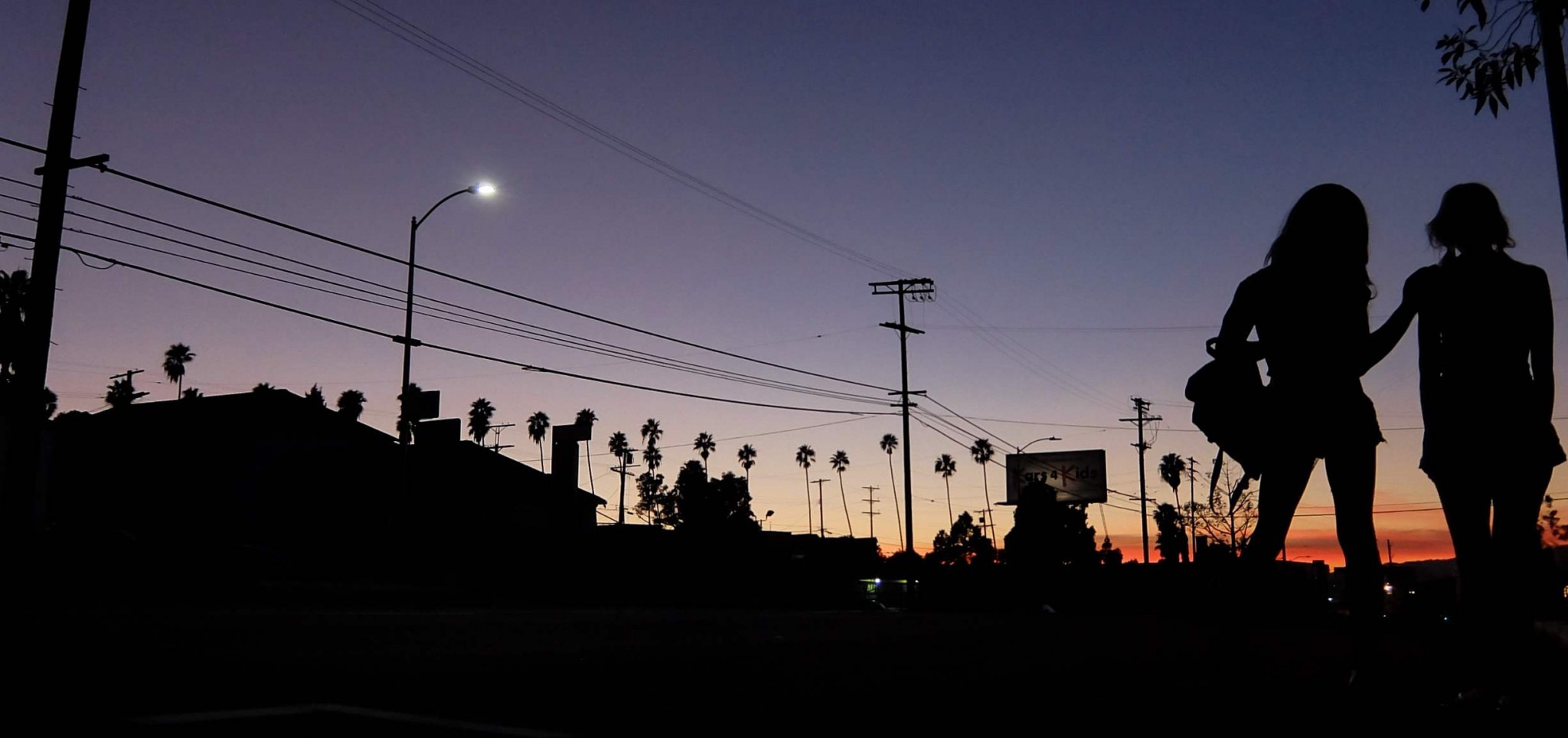
If Anora was a start, where can we look to for more? Perhaps the lesser-known predecessors to the famous modern stories. Sean Baker’s earlier film Tangerine (2015) looks at the lives of sex workers in a different way; it’s shot on an iPhone and follows two trans sex workers over the course of one night. Both the film’s style, subject matter and casting (one of the lead actresses used to be a sex worker) create a more raw, authentic feeling.
What we can learn from all these attempts to depict sex work in film is that the most authentic depictions come when there’s no agenda behind the film
There are also documentaries made by people with experience as sex workers such as Modern Whore (2025) and The Stroll (2023). Even Pretty Woman‘s original script was much darker with Vivian being a drug addict and her wealthy Prince Charming a sociopath who abandons her, before the script was changed into a romantic comedy to appeal to a wider audience.
What we can learn from all these attempts to depict sex work in film is that the most authentic depictions come when there’s no agenda behind the film. This is the reason our views of sex work have been constantly distorted whether for moral reasons (as with films under the Hayes code), to craft a fantasy (as with Pretty Woman), to promote girlboss culture (as with Hustlers), or to undermine all of these (as with Anora). This is why we see the more authentic but less ‘palatable’ work pushed to the sidelines, but maybe that’s exactly where we should be looking.
Comments