One season too many: The TV shows that ruined their own legacy
While there are many television shows that we did not want to stay goodbye to, as fans there also comes a time to recognise when it has been given one season too many. There is a fine line between giving viewers more of what they love, and diluting what made a show special to satisfy ratings or keep subscriptions to streaming services alive. This has resulted in a pattern in shows where they reach their creative peak, only to continue for several more seasons which become repetitive, contain unnecessary cast changes, or endings that undermine the years of previously brilliant TV. Rather than ending on a high, these shows become warnings about overdue finales destroying their own legacy. (Spoilers ahead.)
Game of Thrones
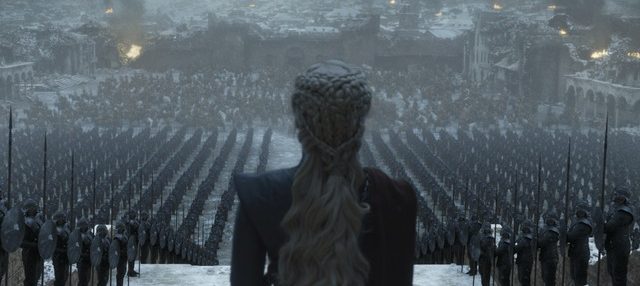
Game of Thrones was considered a cultural phenomenon, both in terms of fan interaction and how it changed television into cinematic production. Every episode generated endless theories and online debates, with its political storytelling and morally complex characters setting new standards for fantasy TV. But this reputation was tarnished by its final season.
After years of careful storytelling, the final six episodes attempted to complete multiple major storylines at speed. Character arcs dramatically shifted direction, long-awaited confrontations felt rushed, and emotional moments failed to land because they weren’t given enough time. Much criticism is focused on pacing; while earlier seasons were praised for allowing characters and relationships to naturally evolve, season eight felt as though it was racing to end.
Many believe that it would have been remembered more fondly if it had concluded after season six
Daenerys’ dramatic transformation from liberator to tyrant is a highly debated turn, with many viewers arguing that her outcome wasn’t necessarily the problem, but rather how quickly she fell from grace. The backlash was so significant that even the show’s creators acknowledged they had underestimated the reaction. Speaking about the finale, co-creator David Benioff admitted, “We knew the finale would be controversial…we were prepared for some hate, but not quite that much.” The comment highlighted how divisive the ending became, with the final season overshadowing much of the show’s previous success. Many believe that it would have been remembered more fondly if it had concluded after season six, leaving some storylines unresolved, but preserving the show’s reputation.
The Office
Very few sitcoms can balance absurd comedy and emotion quite like The Office, with Steve Carell’s Micheal Scott evolving across seven seasons from an often unbearable boss into one of TV’s most loveable characters. This meant his departure felt like the emotional conclusion the series had been moving towards. And yet, the show continued for another two seasons. The problem was not rooted in the quality of the supporting cast, with characters like Dwight (Rainn Wilson), Jim (John Krasinski), and Pam (Jenna Fischer) already fan-favourites in their own right. Instead, the show felt like it lost its emotional anchor in Michael, who was the glue that held Dunder Mifflin together, and replacing him proved impossible.
This meant the final two seasons felt unnecessary; and while the series finale provided a satisfying farewell and achieved a 9.8/10 rating on IMDb, many still believe Michael’s exit in season seven would have served as the perfect place to end the story. This would have allowed The Office to bow out while it was still at its creative peak.
Brooklyn Nine-Nine
The season eight finale of B99 remains one of the show’s most poignant episodes, offering an emotional send-off for characters that the audience had spent years loving. However, despite success, the rest of the season feels as if it did not entirely need to exist.
Revisiting the season today, many references make the show feel unusually trapped in 2020 compared with the more timeless humour of earlier seasons
Its ending arrived during 2021 following one of the most turbulent periods in recent history. The writers chose to address the COVID-19 pandemic and conversations surrounding policing and the Black Lives Matter movement; topics that were impossible to ignore at the time. While those decisions reflected the world and were made with clear intention, they also left the season feeling tied to a specific cultural moment. Revisiting the season today, many references make the show feel unusually trapped in 2020 compared with the more timeless humour of earlier seasons. Many fans considered these writing choices to be slightly preachy, as if they were forced to add it in, rather than written with fully respectful intentions.
There are also issues around certain creative decisions that fans deemed strange, such as Rosa leaving the force and Jake’s decision to quit to be a full-time father. It undermined the past seasons of camaraderie and development, making season eight feel lost and untethered. Many of the episodes neatly wrap up each of the character’s storylines, but ending the show a year earlier may have let it conclude on a stronger note.
Glee
During its peak, Glee was unlike anything else on television; a pop-culture phenomenon that blended comedy, drama, and musical performances. However, many fans felt the story reached its natural conclusion at the end of season three, with my own rewatches often not continuing past the episode ironically titled “Goodbye.”
This offered a satisfying end to the story the show had set out to tell
The graduation of the original members of New Directions felt like the perfect full-circle moment, with central characters such as Rachel (Lea Michelle) and Finn (Cory Monteith) growing into confident performers and moving into adulthood. This offered a satisfying end to the story the show had set out to tell. However, it attempted to reinvent itself by introducing a new generation of students while simultaneously following some of the original cast in New York. This resulted in neither storyline receiving the attention it deserved, and many of the new characters feeling like reheated versions of those who had made the show a success. Had it ended after season three, there is a strong argument that Glee would be remembered almost exclusively as one of the defining shows of the early 2010s, rather than for the inconsistency of its later years.
Television has dramatically changed over the last two decades, with successful shows capable of generating streaming subscriptions, merchandise, spin-offs, and years of continued revenue. While it is understandable why networks are reluctant to end hits, continuation clearly does not equal quality, with so many beloved series given an overdue finale that leaves bitter memories of something previously incredible.
Comments