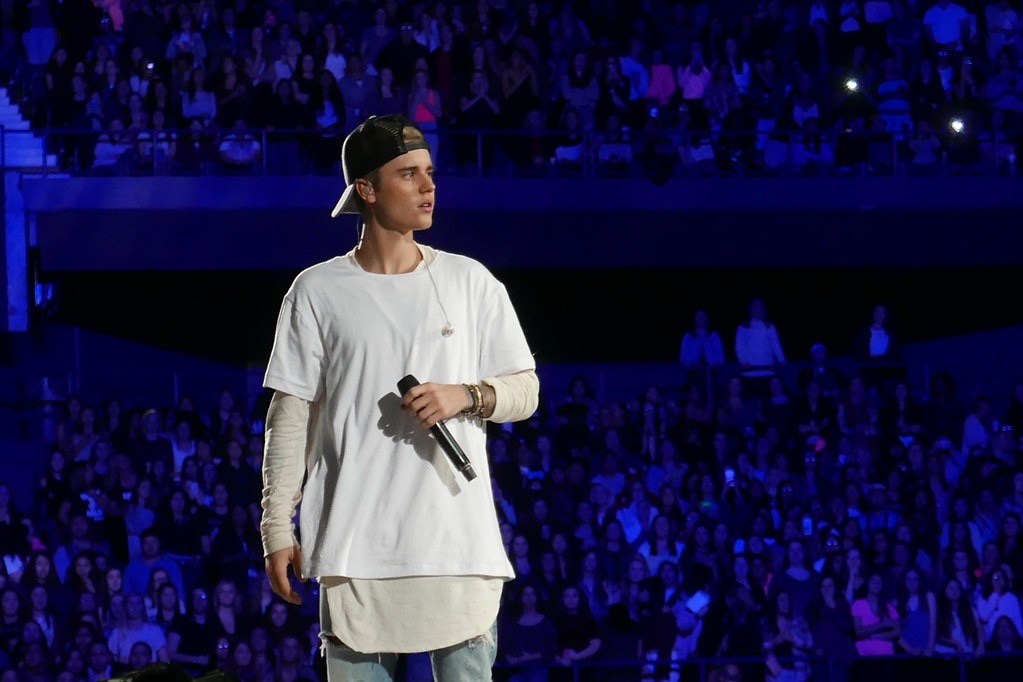
Where did all the teenage pop stars go?
Stevie Wonder, Tiffany, Britney Spears, and Justin Bieber are just a few of the big names who shot to stardom as teenage pop sensations. Since the 1940s, musical teen idols have dominated both pop culture and the charts. Now, in the mid-2020s, teenage pop stars have become something of a rarity and the age for making it big has notably shifted upward. We are witnessing the rise of the ‘elderly’ pop star, and the average age of chart-toppers on the Billboard Hot 100 has been 33 over the past three years. 33 certainly isn’t old in the real world, but in the land of pop, being over 30 once meant you were past it.
For those who do have a song go viral on TikTok, this success quickly fizzles out due to constant shifting trends and the platform’s rapid turnover
Tyler Brown, who worked for over a decade at Syco Entertainment, explained that the process to become a superstar takes “a lot longer now”. A decade ago, it would take an artist 18 to 35 months to get their big break; now it’s three to five years instead. Radio airplay has lost importance, and reality shows like Pop Idol, which could create stars overnight, have declined in popularity, following behind-the-scenes scandals, tired formats, and an inability to compete with streamers and social media. The public can now seek out their own music niches online rather than being dictated to by a TV network.
When social media was in its infancy, it catapulted stars like Justin Bieber and Shawn Mendes into the spotlight. Now with so many platforms out there – YouTube, TikTok, Spotify, to name a few – discoverability is much harder. And for those who do have a song go viral on TikTok, this success quickly fizzles out due to constant shifting trends and the platform’s rapid turnover.
It took Sabrina Carpenter five studio albums before she reached global success with her sixth, Short n’ Sweet, at 25 years old. The X Factor used to feature a category dedicated to the over-25s, implying that at the ripe old age of 25, this is your last shot, even though your frontal lobe has only just developed. This signals just how much the industry has changed in recent decades.
Times have moved on, and raw talent alone often isn’t enough, and industry experience is now a difference maker
There is also a generational difference at play. Gen Z are growing up slower and reaching traditional adult milestones later and lack the life experience of their elders. Surveys have shown that Gen Z are ‘shyer and more risk-averse than previous generations’. Budding musicians are pacing themselves before fully committing to the industry. It’s not just the mentality of the aspiring pop stars shifting, but also the listeners. Playlist culture means Gen Z typically allow Spotify to serve up music based on an algorithm instead of actively searching for the latest star. Nostalgia is also one of the most popular genres among Gen Z, and older tracks like ‘Linger’ by The Cranberries often go viral on TikTok and re-enter the charts.
Billie Eilish and Olivia Rodrigo are the most recent breakout teen stars that spring to mind, but in the past couple of years, no one has truly taken up that teen star mantle. Simon Cowell has tried to recapture the teen idol market through his Netflix series The Next Act. After auditioning 11,000 wannabe pop stars aged 15-19 for a new boy band, December 10 was formed. However, their 2026 debut single ‘Run My Way’ sold a mere 6,300 combined units and only reached 72 (later climbing to 68) on the UK Singles Charts. Their following two efforts failed to even chart. 15 years ago, One Direction went straight to number one on their first attempt. Times have moved on, and raw talent alone often isn’t enough, and industry experience is now a difference maker.
Youngsters are also struggling to compete against established household names who aren’t showing any sign of slowing down. Stars like Robbie Williams and Bob Geldof have recalled that once they hit 30, they were deemed past it, with fresh blood ready to take the spotlight. Now, the over-30s are dominating the charts. Taylor Swift has been in the music industry for 20 years, and coming off the back of her blockbuster Eras Tour, her twelfth studio album, The Life of a Showgirl, became the fastest-selling album in US history. The data from the Billboard Hot 100 indicates that as repeat chart-toppers get older, the first-timers do as well.
Teen stars are forced to grow up fast, sacrificing milestones like completing high school and making friends their own age
This shift in age is probably a good thing. The death of Liam Payne, who first came into the spotlight aged just 14 on The X Factor, led to widespread calls to overhaul the music industry and protect the welfare of youngsters. Dealing with a constant barrage of hate comments on social media, parasocial fandoms, and label exploitation is too much for anyone to process, let alone a teenager.
Songwriter Guy Chambers called for a ban on children in the music industry, “I do think putting a 16-year-old in an adult world like that is potentially really damaging”. A 2019 study found that 80% of 18 to 25-year-old musicians questioned experienced negative mental health problems, most commonly anxiety and depression. Some then turn to drugs and alcohol to deal with high levels of scrutiny.
Teen stars are forced to grow up fast, sacrificing milestones like completing high school and making friends their own age. They no longer have a stable home environment; instead, they are locked away in hotel rooms, catching up on their exhaustion from a gruelling tour, while hiding from screaming hordes of fans below. These stars are thrust into an adult world and are unequipped to deal with it mentally and physically. Singer Lily Allen identified that it’s the publishers and record labels who make most of the money, with the well-being of young stars sacrificed for profit.
One thing that remains consistent is that the music industry is ever-changing and constantly evolving. While the age of pop stars is currently shifting upwards, this could quite easily change and probably will at some point, with a new teen sensation bursting onto the scene. Regardless of age, the welfare of pop stars should be prioritised and protected.
Comments