Evil as failure to change: Why The Sopranos is a masterpiece
I recently finished watching The Sopranos, and it was probably one of the most depressing pieces of media I’ve ever seen … but that’s the point. The show is incredible because of the way it uses its main character, Tony Soprano, to disappoint the audience at every turn, repeatedly presenting him as having the potential to be a better person, however never fulfilling such expectations. There will be spoilers ahead as I examine what makes this story such a masterpiece, and what we can learn from it.
The Sopranos is a show which makes you sympathise with monsters in a way that only a seriously well-written story is capable of. For most of the early seasons, you are charmed by Tony despite his deplorable actions as a Mafia boss. He’s not only charismatic, but is also going to therapy to try and examine the cause of his panic attacks and generally declining mental health, humanising him in a very relatable and entertaining way. His therapist, Dr Melfi, acts almost as an audience insert, as she tries over the course of the show to make him look inwards at his rage, depression, and apathy in order to change for the better, something the viewer desperately wants him to achieve.
The show gives the audience plenty of false hope where Tony seemingly attempts to change his ways, particularly at the beginning of season six following his near fatal shooting, at which point he becomes more merciful to his enemies (such as Vito whom he hesitates to kill despite outside pressure), and for a short period is faithful to his wife. However, by the end of season six he has all but changed, in fact, committing some of his most monstrous actions to date and shedding any ounce of goodness he had inside of him.
This moment cements in the audience’s mind that he is an evil man and always will be, no matter how much we want him to change
The reasons for Tony’s anger, sociopathy, and depression stem from the life that he, in many ways, feels trapped in. He had a very toxic upbringing and seemed almost destined to join the Mafia, following in his father’s footsteps, and embracing its twisted rules and moral codes from a very young age. I think it is clear that his lifestyle and position as a Mafia boss doesn’t make him happy, causing him to be extremely hateful, depressed, hedonistic, and violent. He has deeply sociopathic tendencies, valuing people based on their usefulness. This thought process is almost a requirement to be successful in his work, however it ultimately harms Tony and everyone around him, something which could be solved if he truly tried to examine these tendencies in therapy and wanted to change them.
One of Tony’s worst actions in the show is the murdering of his nephew, Christopher, in season six. Tony feels absolutely no remorse or sadness afterwards, travelling to Las Vegas while everyone else grieves in order to gamble and do drugs. This falling back into hedonism is typically the only way Tony can distract himself from his underlying depression. In fact, Tony only displays relief from Christopher’s death due to his fear of Christopher ratting him out to the FBI (despite him showing a lot of loyalty to Tony in past episodes). This is arguably the moment Tony fully accepts his negative tendencies. He isn’t worried that he doesn’t feel remorse and doesn’t even seem to think he should, despite this potentially serving as a wake up call to get serious about changing for the better, with Melfi’s help. At the end of the episode he states “I get it” jubilantly in front of a hellish red sky in the desert, which can be interpreted as him accepting that he is a monster and will continue to live in hedonism and violence without remorse. This is genuinely heartbreaking to watch due to all the time we have invested over the course of the show in hoping for him to do the right thing, but as always he picks the easy way out: continuing the same patterns, rules, and lifestyle that he has lived his whole life by. This moment cements in the audience’s mind that he is an evil man and always will be, no matter how much we want him to change.
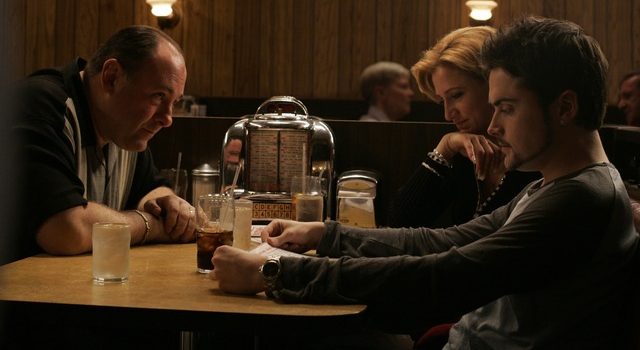
This is so impactful because Tony’s story is a cautionary tale for what happens when you let the negative circumstances and tendencies in your life control you, and reject any possibilities for change. I doubt anyone reading this can relate to being in the Mafia (probably), but we all have made mistakes in our lives or coped with things in negative ways, and are given the chance to grow and mature into better people before it’s too late. Tony rejects these chances at every turn, and it is strongly implied that he is shot in the famous final scene of the show when it cuts to black. We will never know who killed him, but this doesn’t really matter as the point remains he finally sees the consequences of his actions catch up to him. As difficult as it would have been to change his entire way of living and perhaps betray his code to cut a deal with the FBI for a new life, he and his family would have been infinitely better off for it. Instead, Tony dies as a monster, because true evil is seeing the error of your ways and deciding to do absolutely nothing about it.
Comments