
Disclosure Day: Farcical sci-fi at its finest
The evening was warm, the expectations high and ads rolling when I entered the cinema for Disclosure Day, ready to engage with deeply thoughtful science fiction from a master of the genre, Steven Speilberg. Rave reviews had been rolling in with the promise of a climactic, engaging thriller about the race to expose the truth of alien existence to the world.
The pitch was set, the cast star-studded with big names from Emily Blunt to Colin Firth. There was no reason to suspect anything less than a return to form from Spielberg, who has built up trust in his visions through pieces of cinematic art such as Close Encounters and E.T. Serious questions had also surrounded the production and marketing of the film, including theories that the film serves as a soft power in preparing the world for the real-life declassification of definitive proof of the existence of extra-terrestrial life.
Scenes … evoke more of a 90s-video-game feel rather than a Bond-esque race to expose the truth
However, I began to doubt the film’s classification as a masterful tool of psychological operation when the plot began to take its convoluted turns. Scenes of Josh O’Connor sneaking around heavily armed governmental agents hidden by a few bundles of sticks evoke more of a ’90s-video-game feel rather than a Bond-esque race to expose the truth. At one point, a rock is left on the gas pedal of a car as it plunges into the river, bringing much more of a Looney Tunes atmosphere to this supposed existential thriller.
Perhaps that is what this film struggles with the most. It is no longer the 1990s, and the tropes and dialogue of the era no longer fit in with reality of a postmodern and increasingly unjust world. One needs only to look to recent history, with US president Donald Trump publishing a website on ‘aliens’, describing immigrants as ‘extra-terrestrials who have invaded our homes’. Perhaps it makes sense then, in a world where even those from other countries are treated as sub-human enemies, that many of us are not too keen on films which intend to lecture us on how aliens may exist and we need only “listen”.
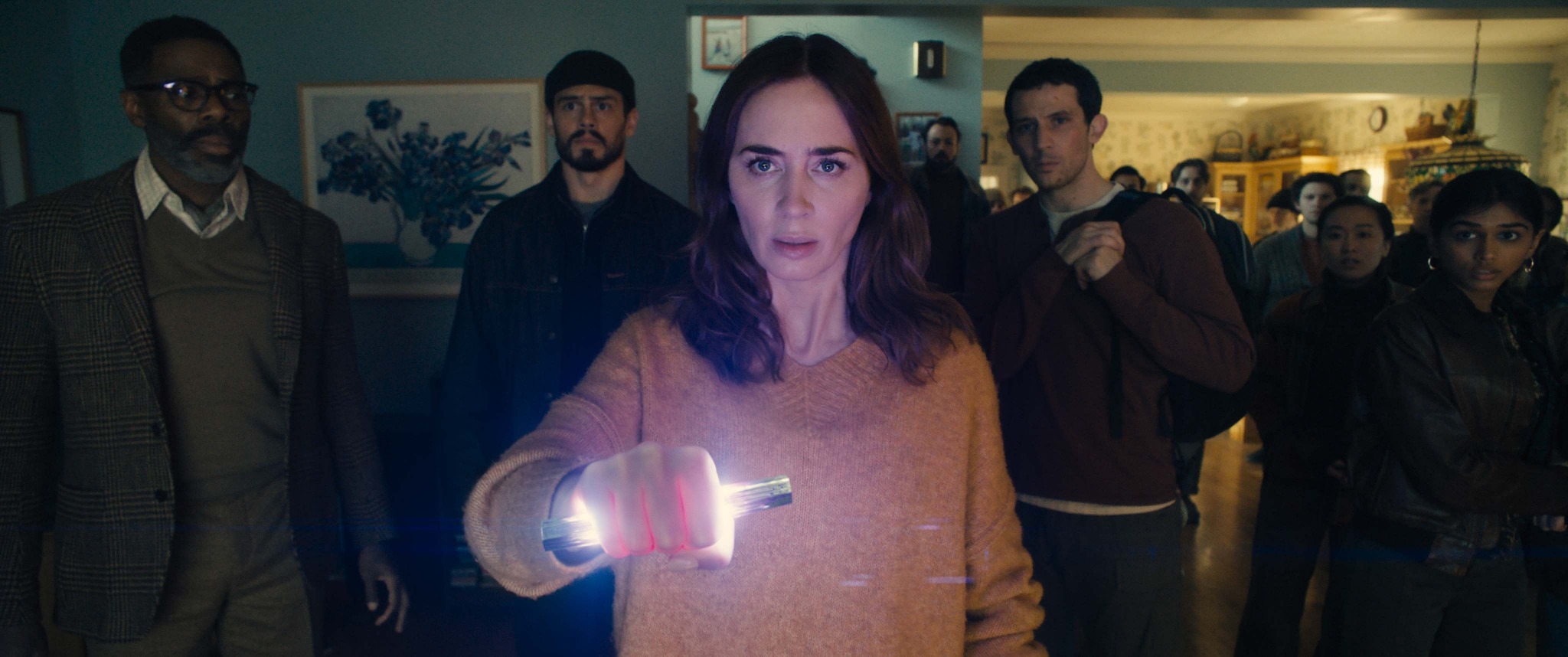
Image: © Universal Studios. All Rights Reserved.
However, it is not the case that all forms of science fiction and alien movies are unpopular in the modern day, it is only that modern day sci-fi has changed to adapt to our current climate, and unfortunately for Spielberg it seems with his latest attempt he has not reached this mark.
Now, in 2026, with an intense level of division within politics and between countries, it is no wonder audiences are not lining up to hear the ‘father’ alien encourage them to “listen”
Science fiction has always been a tricky genre to pull off effectively. In the 1990s and 2000s, this would have been much easier for Spielberg, as the genre essentially demanded a strict, black-and-white depiction of good versus evil, and a prevailing message of hope. Now, in 2026, with an intense level of division within politics and between countries, it is no wonder audiences are not lining up to hear the ‘father’ alien encourage them to “listen.”
To close off this review, I would be remiss were I not to mention the brazen silliness and absurdity of the movie. This is no more evident than in the ‘MacGuffin’ of the film, the alien device left by the extra-terrestrial species to Emily Blunt and Josh O’Connor’s characters. Some online have taken to calling it the ‘do anything wand’.
The presence of the device does serve as an interesting plot point, but instead of revealing anything unique and special about our alien visitors, it simply seems to obey the will of the scene as crafted by the director, from turning the ‘gang’ invisible just as they are about to be caught, to turning on the news channel. The film closes out with a banal call to the viewer – we should begin to “listen”. If only we could.
★½
Comments (1)
The Boar is on the right side of history with this one. Film is atrocious and honestly offensive in an age of US backed genocide and mass deportations. Spielberg has lost the plot. Also, the second biggest Colman Domingo L of the year