AI ‘actor’ Tilly Norwood is making a movie: Should we be worried?
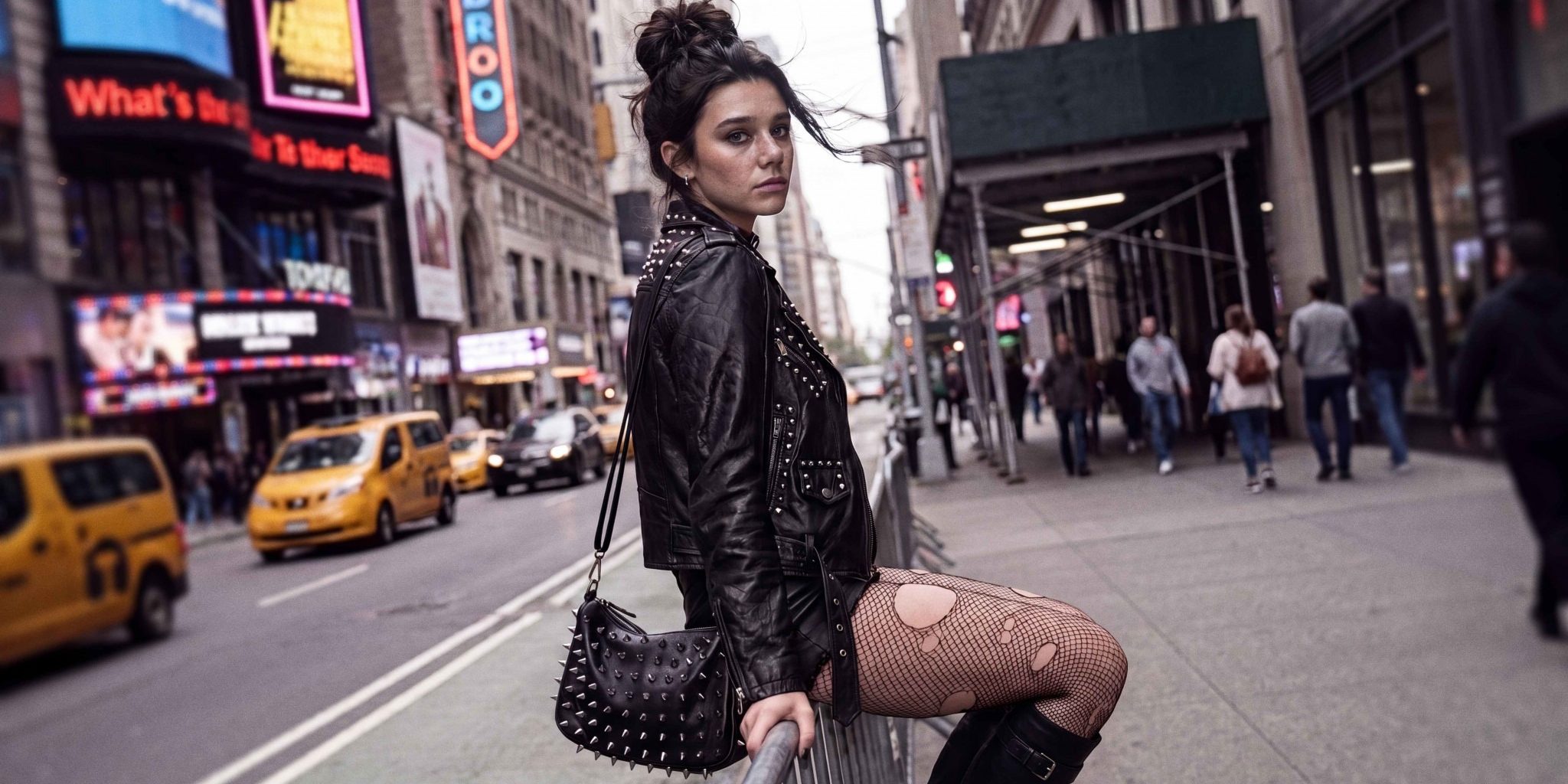
The rise of AI threatens job certainty across plenty of industries. However, the creation of an AI actress shocked many, for the arts have always seemed to put an emphasis on human creativity and expression. Tilly Norwood was created in 2025 by Xicoia, the AI division of Particle6 Group.
After appearing in AI Commissioner, several talent agencies expressed interest in representing the AI ‘actor’. This attracted strong criticism from many creatives working in the industry, yet it has recently been announced that she will make her feature film debut in Misaligned, a comedy-drama currently in development.
Entering the film and TV industry, whether it be as an actor, gaffer, or producer, is notoriously hard and competitive. As of 2025, there are approximately 52,400 actors, entertainers and presenters in the United Kingdom. Only a tiny percentage of these people make a living in the performing arts industry, thus many creatives take on second jobs to survive. Therefore, the creation of Tilly Norwood poses a threat to these individuals who already struggle to make it in the industry.
If production companies start considering the use of AI ‘actors’ in their work, not only will actors struggle to succeed in their profession, but filmmaking will lose its spark
Many actors train at drama schools for several years, so it seems unfair for their money, time, and hard work to be wasted because of the creation of AI ‘actors’. If production companies start considering the use of AI ‘actors’ in their work, not only will actors struggle to succeed in their profession, but filmmaking will lose its spark.
The impact of film comes from its undoubtedly creative process. For example, Christopher Nolan’s The Odyssey was shot entirely on IMAX 70mm cameras. This choice has given the audience the chance to see up to 40% more of the image, allowing viewers to be completely immersed in the story. Making bold choices and taking risks in filmmaking is what allows new ideas to flourish.
Similarly, the choices that actors make on set are unique; each take differs as acting involves reacting and responding to others. This cannot be replicated by AI ‘actors’, such as Tilly Norwood, which simply sift through data and produce generic performances. I am sure most people would find this boring to watch, as many value the process and production of the media they consume.
‘Vertical dramas’ [are] smartphone-shaped videos designed for platforms like Instagram reels and TikTok
Moreover, there has been a recent increase in the production of ‘vertical dramas’, smartphone-shaped videos designed for platforms like Instagram reels and TikTok. Not only are these short and bingeable, they are cheap to make because of the availability of AI ‘actors’. This generates a huge amount of money for those who make them, further encouraging the use of AI in filmmaking and displacing real actors.
Chinese actor, Xu Peng, recently went viral for selling vegetables in his hometown after AI took over the production process of vertical dramas. It’s cases like this that remind us that the industry is rapidly changing in a way that threatens creativity and imagination.
The creation of Tilly Norwood also raises questions about consent, as companies can now have AI ‘actors’ perform in ways real actors might not be comfortable with. In every production, risk assessments are conducted and chaperones, intimacy co-ordinators and other welfare producers are employed to ensure actors are comfortable and feel safe with what they are about to do.
Using AI ‘actors’ would mean that none of these roles are necessary. In a way, there may be no barriers or limits to what the AI ‘actors’ do, say or perform. This is particularly dangerous for women, as AI could be used to objectify them or amplify harmful gender stereotypes.
Watching human-made work instead of AI-generated content, going to the cinema, and attending film festivals are all ways of showing support for human storytelling
Creativity and imagination are needed more than ever in our fast-paced society. Allowing AI to take over the arts not only strips creatives of their jobs, it takes away the magic that occurs in producing film. However, watching human-made work instead of AI-generated content, going to the cinema, and attending film festivals are all ways of showing support for human storytelling. It is important to remember that we can prevent AI from taking over the arts and contribute to keep the industry human.
Comments