Warnings issued against open water swimming after heatwave fatalities
Warwick District Council have issued a warning directed at young people against open water swimming, following recent fatalities.
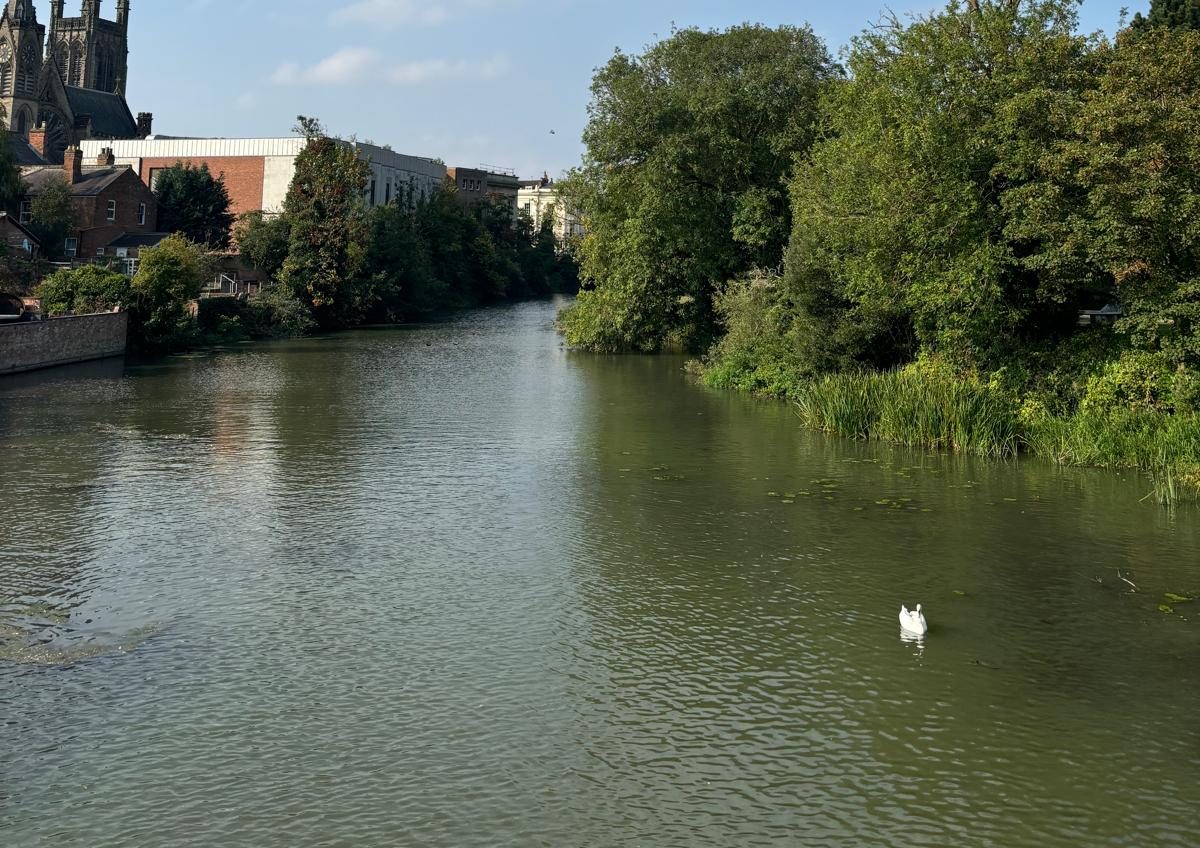
The council has identified three key spots of danger in Warwickshire for young people: St Nicholas Park in Warwick, River Avon behind the Saxon Mill, and the River Leam at Victoria Bridge.
The warning has been issued to teenagers in particular, who may swim in and jump into open water spots unsupervised, often under the influence of alcohol. At least 15 people died in open water across the UK during last week’s heatwave.
Councillor Jim Sinnott Portfolio Holder for Safer and Active Communities said: “A wave of heartbreaking incidents from across the country must serve as a stark warning about the grave and often unknown danger of open water. This is intensified during hot weather and often fuelled by alcohol.
“There are several areas alongside our riverbanks where young people gather, and whilst we don’t want to stop them from socialising and having fun, the consequences of this behaviour could very easily end in tragedy.”
The dangers accompanying open water swimming go beyond swimming ability. Often the current is stronger than people may realise and there may be obscured dangers below the surface, such as objects that can trap or injure.
The University of Warwick does not support or permit swimming in its campus lakes or rivers due to the safety risks these natural bodies of water present
University spokesperson
Furthermore, jumping into cold water, especially in very hot weather, can cause the body to go into shock.
Warwick Safer Neighbourhood Team Sergeant, Ben Brewster, commented: “Over the course of the past week, we’ve had multiple reports of people swimming in open water and jumping from bridges into water. We know the weather’s been hot and it’s tempting to cool off, but there are so many hidden dangers below the water’s surface.
“This includes discarded objects that could trap or injure you, poor visibility and sudden drops in the water. The current may also be stronger than you realise – making it challenging for even the best swimmers.
“And although outside temperatures might be high, the water itself can still be cold and cause your body to go into shock.”
Although the heatwave seems to be on its way out following the more recent spell of rain, the end of exam season for both university students and Year 13s suggests that these dangers may still persist.
University students sometimes swim in the Westwood Brook, the river running through campus, or some of the other water features around campus, such as the Lakeside feature.
A University spokesperson said: “The University of Warwick does not support or permit swimming in its campus lakes or rivers due to the safety risks these natural bodies of water present,” going on to note the dangers of cold water shock, as well as “hidden debris, uneven depths, and water quality.”
We want everyone to enjoy themselves around water this summer, but it’s crucial to remember that water can be unpredictable and dangerous
Moreno Francioso, Fire Prevention and Arson Manager, Warwickshire Fire and Rescue
The University added that “our campus is home to wildlife such as birds and otters that live or nest near to the water and entering the water can disturb their natural habitat.
“Individuals entering these waters may be putting themselves and others at risk, and doing so may breach the University’s health and safety regulations. Breaching health and safety regulations could result in disciplinary action.”
Moreno Francioso, Fire Prevention and Arson Manager at Warwickshire Fire and Rescue Service, added: “We understand that in warm weather people go into open water to cool down, however, even on a warm day the temperature in open water can be very cold which can lead to cold water shock.
“We want everyone to enjoy themselves around water this summer, but it’s crucial to remember that water can be unpredictable and dangerous.
“If you see someone in trouble in the water, do not go in after them. Call 999 straight away, tell the person to float on their back, and if you can, throw them something to hold on to.
“If you find yourself struggling in the water, try to ‘float to live’ – lean back, stay calm, move your hands and feet gently and call for help.”
Comments