The hidden costs of the Middle East war
Over the past year, news surrounding tensions in the Middle East between Israel and Iran had been steadily intensifying. This was until 28 February, when they reached their boiling point, with Israel and the United States launching wide-ranging strikes on strategic sites linked with Iranian oil and gas, as well as their nuclear programme. This resulted in the death of the previous Iranian supreme leader, Ayatollah Ali Khamenei. Iran promptly retaliated with missile attacks on Israel and several US-aligned Gulf States before swiftly establishing naval control over the Strait of Hormuz, through which roughly 25% of global oil supplies are transported.
Financial markets reacted immediately. The market price of Brent crude oil jumped from $70 at the advent of the war, to $100 a barrel on March 9. Having seemingly reached its price cap at $114/bbl, it has now settled to $103/bbl. The increase is both a result of the disruption to exports from the world’s most energy rich regions, trapped by Iranian blockade, and a substantial geopolitical risk premium, as traders reassessed the security of maritime oil shipments and the reliability of future supply.
These rapid rises in both the actual price of oil and uncertainty surrounding future stability have caused your average Briton to see price hikes in their household costs. With the average price of unleaded petrol standing at 157 pence per litre, alongside EDF price cap predictions that the average annual UK household energy bill will rise from the current £1,641 to £1,925, the cost-of-living crisis continues to intensify. Higher energy prices act as a tax on consumers, reducing real disposable income and limiting spending in other sectors of the economy.
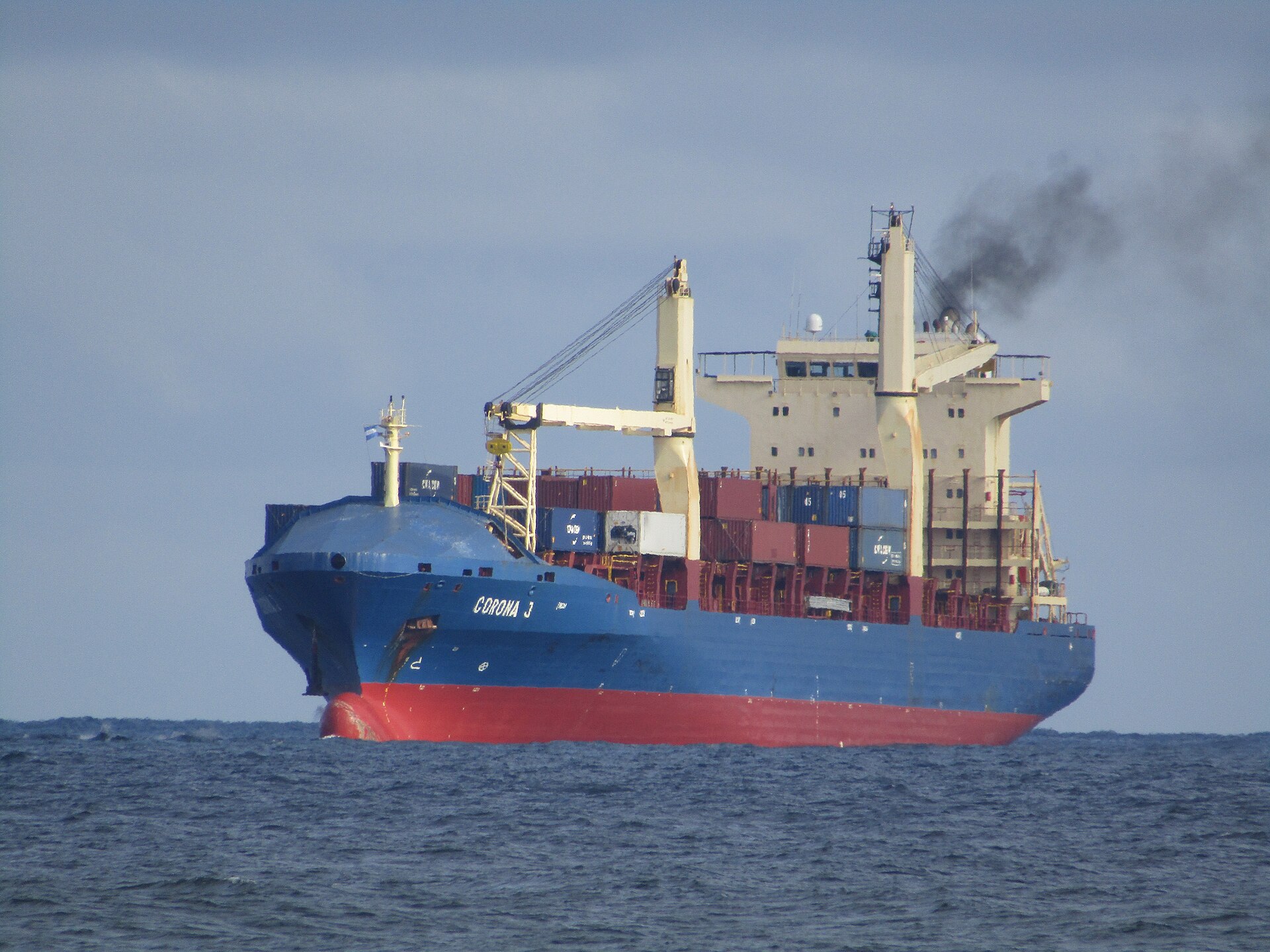
The effects extend well beyond fuel and electricity. Crucial global supply chain networks bear the toll of these increased costs. The Strait of Hormuz is also a critical route for fertiliser and agricultural inputs, with approximately one-third of the world’s seaborne fertiliser shipments passing through the waterway. This impending fertiliser shortage, alongside already present fuel shortages, is set to plunge developing economies into further risk. The United Nations has warned that, if the conflict continues into the summer, an additional 45 million people could face acute food insecurity.
Since the war began, the UK has seen a plateau in inflation at around 3.4%.
The cost of goods remains high and is ever-increasing, with the Bank of England estimating food inflation to rise to 7% by the end of the year. Many domestic crops affected by the fertiliser shortage, such as wheat, are set to be harvested in the coming months, further increasing the need for imports. This would pressure an already hesitant consumer base into further reducing their spending.
Since the war began, the UK has seen a plateau in inflation at around 3.4%. Despite these nominal changes and an allegedly stabilising economy, fears are on the rise. The GfK consumer confidence index dropped by four points in April to negative 25, whilst saving intentions rose by five points to 32. This is indicative that a recession lies on the horizon.
Large retailers are already feeling the onset of these “jitters”, as put by Neil Bellamy, Consumer Insights Director at GfK. Sainsbury’s recent warning that the war will “impact both our customers and our business,” echoes similar concerns raised by retailer Tesco and travel retailer WHSmith, all of which have seen a drop in their share value since the war began.
This bleak outlook has sent further shockwaves through society, with a recent YouGov poll indicating that 35% of people say that the economy/cost of living was one of their top three most important issues influencing their vote in the recent local elections on May 7. These anxieties around economic mismanagement are the likely factors behind the historic gains seen by smaller parties such as Reform and the Greens, who burst through the political glass ceiling and have threatened the two-party system dominating British politics for the past 100 years. As a result, the Middle East war is shaping up to become a conflict which will forever change the landscape of British politics and “define us for a generation”, as put by PM Keir Starmer.
The conflict in the Middle East is therefore proving to be more than a geopolitical crisis. By driving up energy prices, increasing inflation expectations, constraining consumer spending and weighing on corporations, it is reshaping both the economic outlook and the political environment in the world and the UK.
Comments