The great British romcom: The best of Richard Curtis
What are the ingredients for a ‘great’ British romcom? A carefully chosen soundtrack? A hastily made cup of tea? An inevitable ‘running late’ scene? A sprinkling of Hugh Grant exclaiming “bugger!”? There are many elements to the perfect British romantic comedy, and writer/director Richard Curtis knows exactly how to craft them.
It is clear that [Hugh Grant] is the perfect choice for Curtis’ male lead. Each of his characters are endearingly clumsy and charming in their own ways
You’ll know his films from their iconic lines, famous casts, and timeless storylines. Whether that’s Emma Thompson smoothing down the duvet in Love Actually, or Hugh Grant sat in the cinema wearing prescription diving goggles in Notting Hill. Grant is arguably Britain’s equivalent of American romcom royalty Tom Hanks, well known for You’ve Got Mail, and it’s safe to say Richard Curtis is one of Grant’s biggest fans, casting him in nearly all of these films. It is clear that he is the perfect choice for Curtis’ male lead. Each of his characters are endearingly clumsy and charming in their own ways.
Four Weddings and a Funeral (1994)
With a storyline written by Curtis, Four Weddings and a Funeral follows Charles (Hugh Grant), and his group of comical friends, as they inevitably attend four weddings and a funeral. Grant describes the film’s script as “bizarrely brilliant” with his character Charles pining after the elusive Carrie (Andie MacDowell) throughout each event. Despite the title revealing that a funeral will be a part of the storyline, the build-up nevertheless took me by surprise, and I was sobbing during the scene where Matthew (John Hannah) reads the poem:
“Stop all the clocks, cut off the telephone, prevent the dog from barking with a juicy bone… I thought that love would last forever, I was wrong”
Notting Hill (1999)
Curtis also wrote the script for Notting Hill. Famous actress Anna Scott (Julia Roberts) literally bumps into William Thacker (Hugh Grant) on the street, where a simple orange juice spillage quickly turns into a romance. Both Anna and Will are drawn together despite their different worlds, in a storyline arguably influenced by Audrey Hepburn’s Roman Holiday (1953). The most famous scene in the film has to be Roberts’ line:
“I’m also just a girl, standing in front of a boy, asking him to love her”
Bridget Jones’s Diary (2001) and Bridget Jones: The Edge of Reason (2004)
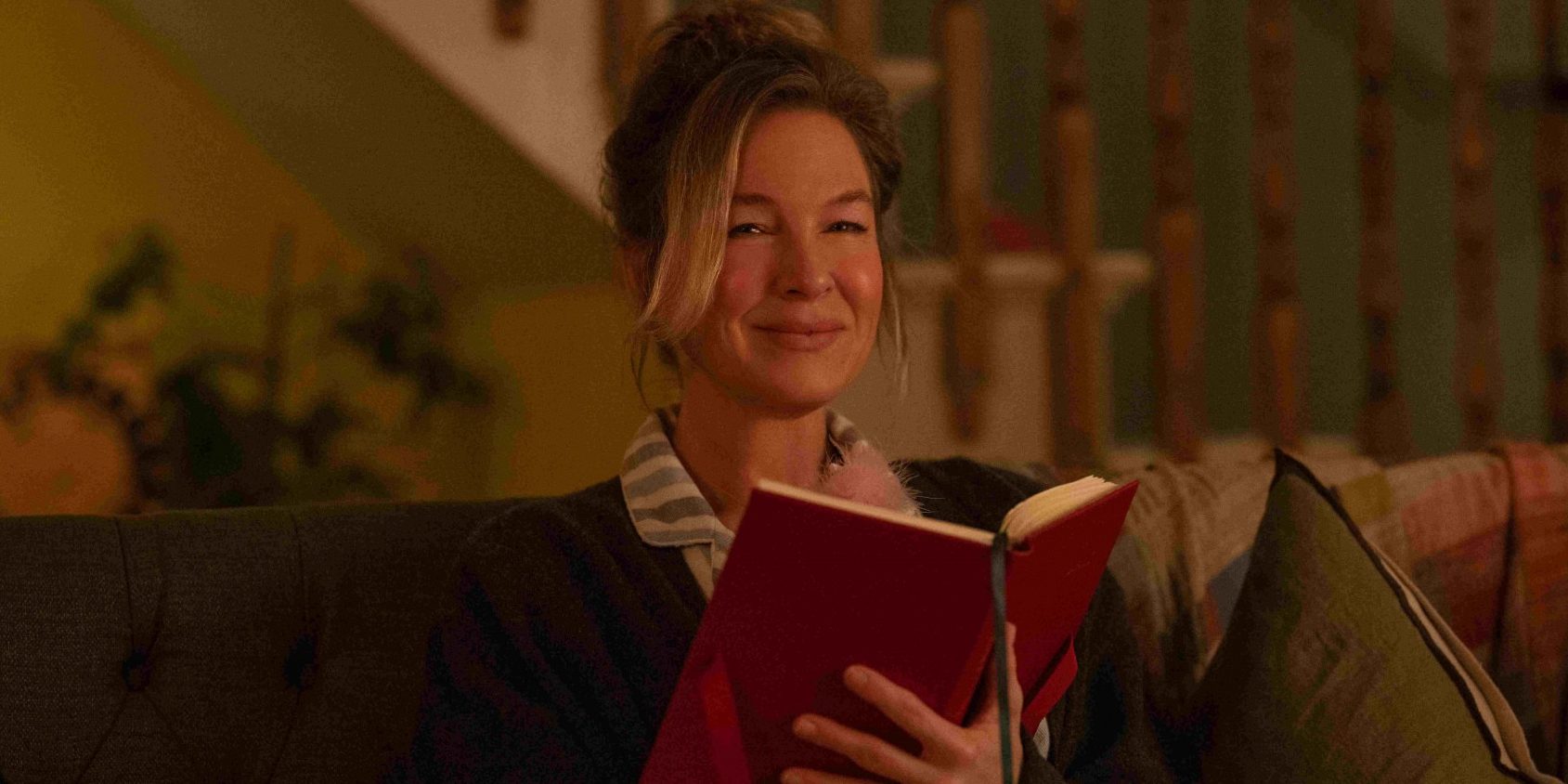
Curtis wrote the first two films in the Bridget Jones film series, introducing the quintessential frazzled English woman, Bridget, to our screens. These films are based on the Bridget Jones novels by Helen Fielding, who was originally inspired by Austen’s Pride and Prejudice. In Bridget Jones’s Diary, suffering heartbreak over her boss Daniel Cleaver (Hugh Grant), Bridget quits her publishing job and goes to work in TV. Surrounded by three brilliant friends, Shazza (Sally Phillips), Tom (James Callis) and Jude (Shirley Henderson), Bridget navigates single life in London. That is, until she realises that a certain Mark Darcy (Colin Firth), is perfect for her after all. He reveals that he likes her:
“…very much, just as you are.”
In Bridget Jones: The Edge of Reason, Bridget is torn once again between Daniel and Mark. She is convinced Mark is having an affair with his secretary, so she goes on a trip to Thailand with Shazza, and through a certain chain of events she ends up in prison.
After the success of these first two Bridget films, this series has continued, with Bridget Jones’s Baby (2016) and Bridget Jones: Mad About the Boy (2025).
Love Actually (2003)
Written and directed by Curtis, Love Actually is a British Christmas staple, famous for its multiple intersecting character storylines. The film focuses on the festive season in all its messiness and sparkle, rather than solely the countdown to Christmas Day. Curtis captures the true essence of life in this season, that all around you everyone is living their own story: there are weddings and office jobs, proposals and breakups, cheating and first dates…
Grant’s line: “love actually is all around” summarises the entire film. The festive setting builds on this – Christmas is generally a time for family and friends to come together and share the love they have for each other. And has the Christmas season really begun until various mums across the country are shouting at Alan Rickman’s character through their TV screens, in the hopes that this year he won’t cheat on Emma Thompson’s character…?
This film is probably best known for its final scene, featuring all of the characters in the arrivals of Heathrow airport, to the soundtrack of The Beach Boys’ ‘God Only Knows’. The following clips are of actual everyday people reuniting with loved ones in the airport, who were asked if they’d like to be included in the film. These small displays of love combine to create a picture of human connection, echoing Grant’s opening speech:
“Love is everywhere, often it’s not particularly dignified or newsworthy, but it’s always there”.
Overall, Curtis’ films encompass all the key ingredients of a romcom – the meet cute, an array of hilarious side characters, perfectly timed jokes and above all, the classic happy ending. Richard Curtis is undeniably the grandfather of the British romcom, and his keen eye for the beauty of humanity in the simple moments shines through.
Comments