The fetishisation of the LGBTQIA+ in media and pop culture
At the end of last November, a small Canadian show premiered before rocketing into stratospheric success in the following months, with millions watching and talking about it on
social media. Of course, I’m talking about Heated Rivalry, which was praised for how it approached queer sexuality sincerely and delved into the hardships of coming out. It quickly became popular, from having stars Hudson Williams and Connor Storrie getting interviewed on late night shows, to their interviews getting millions of views: their Buzzfeed ‘Thirst Tweets’ video currently has 5.4 million views after only 4 months.
Is this increased interest in queer representation truly a sincere step in the right direction?
Heated Rivalry, along with other successful shows like Heartstopper and Young Royals indicate that queer representation is more normalised, being treated with as much vigour as straight relationships on screen. Having women overwhelmingly support these projects shows that these works reach beyond just a niche audience. It seems a far cry from the times where queer projects were subjected to ridicule and blatant homophobia from the media and the public. But is this increased interest in queer representation truly a sincere step in the right direction?
A closer look on social media reveals that it may not be the case.
It’s okay for girls to be sensual, whereas men in close relationships with other men would get overtly fetishised
This interest slowly seeped into real life, with many fans going a more fetishistic route and attaching this rhetoric onto the actors themselves. There was an interest in their sexuality being discussed in depth on social media, overanalysing pictures of the actors, and viewing their relationships with other people to be a sign of a potential ‘disruption’. Worryingly, it even led to their privacy being broken and Williams having to say “RPFing [Real Person Fictioning] gotta stop” on Threads. Unfortunately, this behaviour is not specific to one show, with other stories of queer men receiving similar treatment, such as Heartstopper’s Kit Connor being forced to come out.
This fetishism extends out to other pop culture featuring queer representation or even just close relationships. But why is this happening?
This support-turned-fetishism towards queer men may stem from being treated as a fantasy and sexualised: a projection of the fans’ desires. Those who fetishise may like the absence of women in these pairings as it removes jealousy or feelings of unattainableness – they can focus on the putting tropes and stereotypes onto these characters or artists. Weirdly enough, this fetishism can be seen as good marketing. Fan art, fan fiction, edits, and tweets get lots of engagement and gain communities.
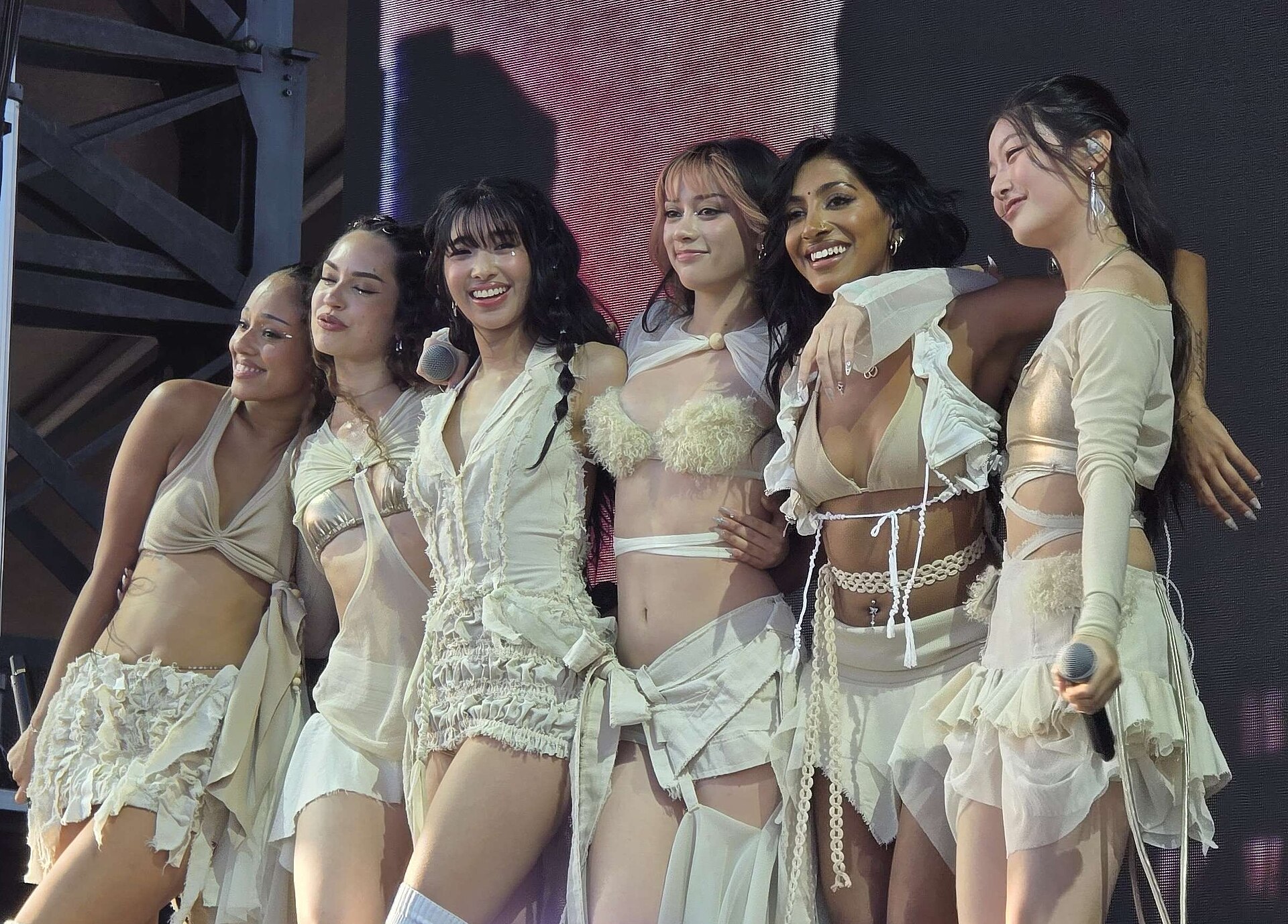
On the other hand, when artists themselves do it – such as during Coachella, where members Lara and Megan from the group KATSEYE were seen acting sexually on stage – they are criticised for presenting queerness in this way. Both Lara and Megan are openly bisexual, so the critique seems skewered. Interestingly, when defending these women, many commented that this kind of behaviour was ‘normal’ for women to engage in. An imbalance becomes more apparent: that it’s okay for girls to be sensual, whereas men in close relationships with other men would get overtly fetishised. It’s interesting to see how the reaction to the members’ utilising fetishisation is heavily critiqued whereas the same is not seen when fans to do it to men.
More emphasis on queer work and artists would not only mean more support but also create well-rounded conversations
What seems like a leap in representation, is reduced to be something that enforces stereotypes and highlights sexualisation. This is done through a focus on sexual aspects and aesthetics when posting about performances rather than the multi-faceted nature of queer relationships. It’s important to note that despite fetishistic actions being more heard about, it does not speak for all fans. Supporting all LGBTQIA+ stories can allow more balanced discussions.
Distancing real people from their performances and being conscious of language used to describe both can also help combat this. More emphasis on queer work and artists would not only mean more support but also create well-rounded conversations. With more works representing different relationships, it would lead to more productive discussions and interesting analyses.
Comments