Star Wars: The Mandalorian and Grogu: Should Disney take a step back?
Ever since the Walt Disney Company took control of Lucasfilm in 2012, gaining control of Star Wars in its entirety, the franchise has suffered from bad production handling, decreasing viewership, and disinterest in its central characters.
Star Wars: The Mandalorian and Grogu suffers the same fate. Directed by The Mandalorian show-runner Jon Favreau, the film’s first few trailers promised an adventure of epic proportions, with new planets and new villains for the titular duo. However, the 132-minute runtime suffers from what a lot of fans have labelled as meaningless and uninteresting. But how did such a loved universe reach this point?
Using the Mandalorians as the main characters of the show … straddled the line of nostalgic and refreshing, whilst also creating what is essentially a Star Wars cowboy Western
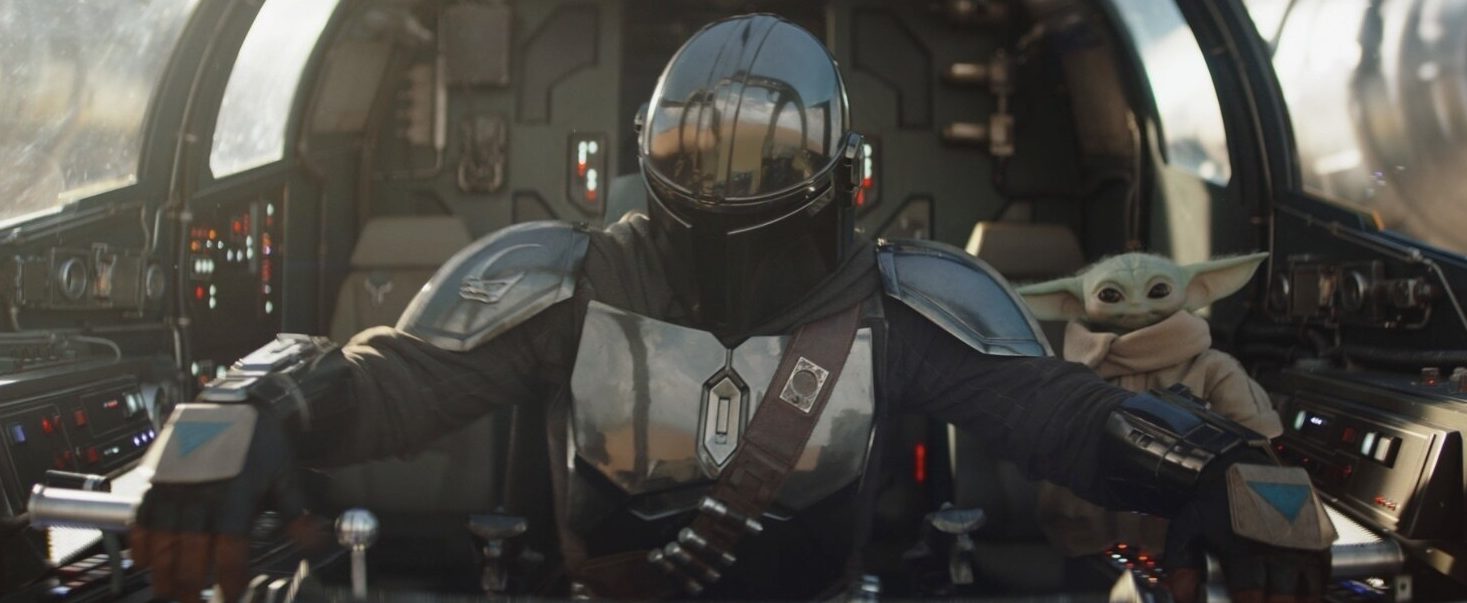
With the release of the Disney+ original series The Mandalorian in November 2019, fans were given a fresh view of the Star Wars universe. By focusing on the Mandalorians, an underused but visually iconic group of people within the Star Wars universe, the TV show focused on new characters and inventive missions. With the main draw being the unlikely father-son relationship between the central character nicknamed ‘The Mandalorian’ (real name Din Djarin, played by Pedro Pascal) and his adopted son, Grogu (who was labelled ‘Baby Yoda’ by fans until his name was revealed in season two).
By using the Mandalorians as the main characters of the show, viewers were able to feel the nostalgia of the previous movies, connecting Din Djarin to earlier characters like Boba Fett and Jango Fett. For Disney to make a TV show that straddled the line of nostalgic and refreshing, whilst also creating what is essentially a Star Wars cowboy Western, was impressive and paid off for the first two seasons of the show.
However, by the third season, the show began to lose its spark. With nonsensical plot choices, sidelining Din Djarin for the sake of a different character, and ultimately leading to an underwhelming finale, Season three of the show was not received well by fans. With a 51% fan-rating on Rotten Tomatoes for Season three, compared to a 93% and 91% for Season one and two respectively, the pacing and narrative struggles left the series with a disappointing end. And then, a movie was announced for a 2026 release.
The Mandalorian and Grogu was prioritised by the Walt Disney Company over creating a fourth season of the show, earning $243 million worldwide since its release on May 14th. Although it is in the top 10 highest grossing films of 2026 so far, the film has landed as a polarising force among Star Wars fans and critics.
The plot is explained throughout by its characters, which suggests it was built for second-screen viewing, ultimately leading to a lifeless watch
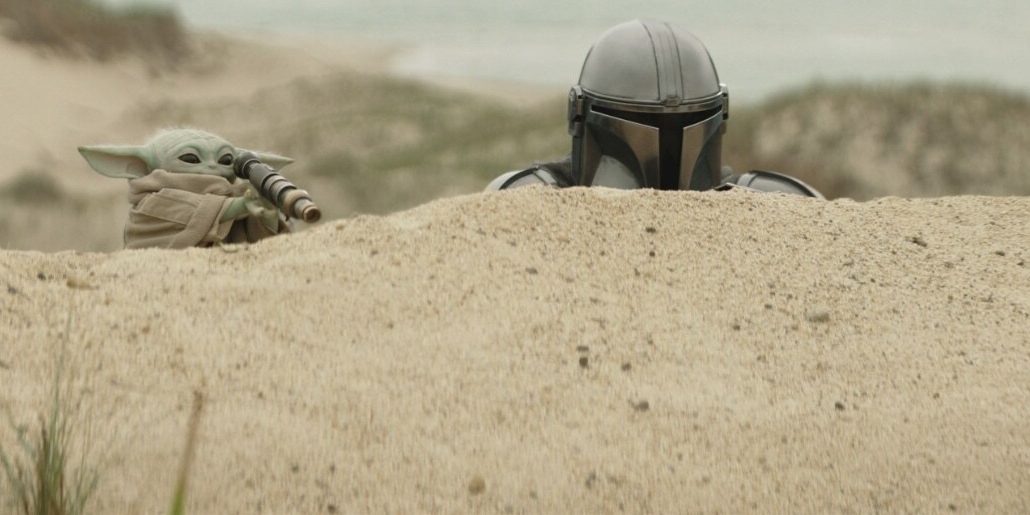
Image: © Disney and its related entities. All Rights Reserved.
The film itself has a basic premise: the titular Mandalorian (Din Djarin) and his son, Grogu, are enlisted by the New Republic to help find Rotta the Hutt and gain information on another criminal, Coin. The plot is explained throughout by its characters, which suggests it was built for second-screen viewing, ultimately leading to a lifeless watch.
The movie suffers from unstable pacing, and there is a clear split into a non-stated ‘part one’ and ‘part two’ of the film, making it seem like two episodes of television put onto the big screen. Although this is arguably not a ‘real’ issue, as The Mandalorian began as a TV show, it leaves the film feeling slightly underbaked and unfinished. For a runtime of over two hours, the characters are not able to go through sufficient development that they would have in a TV show, creating an almost meaningless set of fight scenes and predictable plot.
Using motifs from the television series, Göransson is able to bridge a clear continuation between series and cinema release, something that Jon Favreau clearly struggled with
The film’s saving grace remains in the hands of Ludwig Göransson, who composed the score for The Mandalorian and Grogu, as well as the original television series. Taking on a heavy, electronic synth for this film, it enhances the scenes on the cyberpunk planet of Shakari, where the first half of the movie takes place. Using motifs from the television series, Göransson is able to bridge a clear continuation between series and cinema release, something that Jon Favreau clearly struggled with.
Although it begins with a visually stunning opening on an ice planet with Din Djarin taking down the renowned AT-AT units, holding onto the original feel of the series, the film takes a dip into monotony for the rest of its runtime. As a Star Wars film, it doesn’t hold a candle to any of their other cinematic releases, and is ultimately just a predictable adventure story – without the charm of the original show’s supporting characters.
It’s a shame, really. To follow Andor with this as their next mainstream release is disappointing from Disney. It might be time to stop with the constant Star Wars content, go back to the drawing board, and remember what makes the heart of this franchise. This film was, unfortunately, brought in cold.
★★
Comments