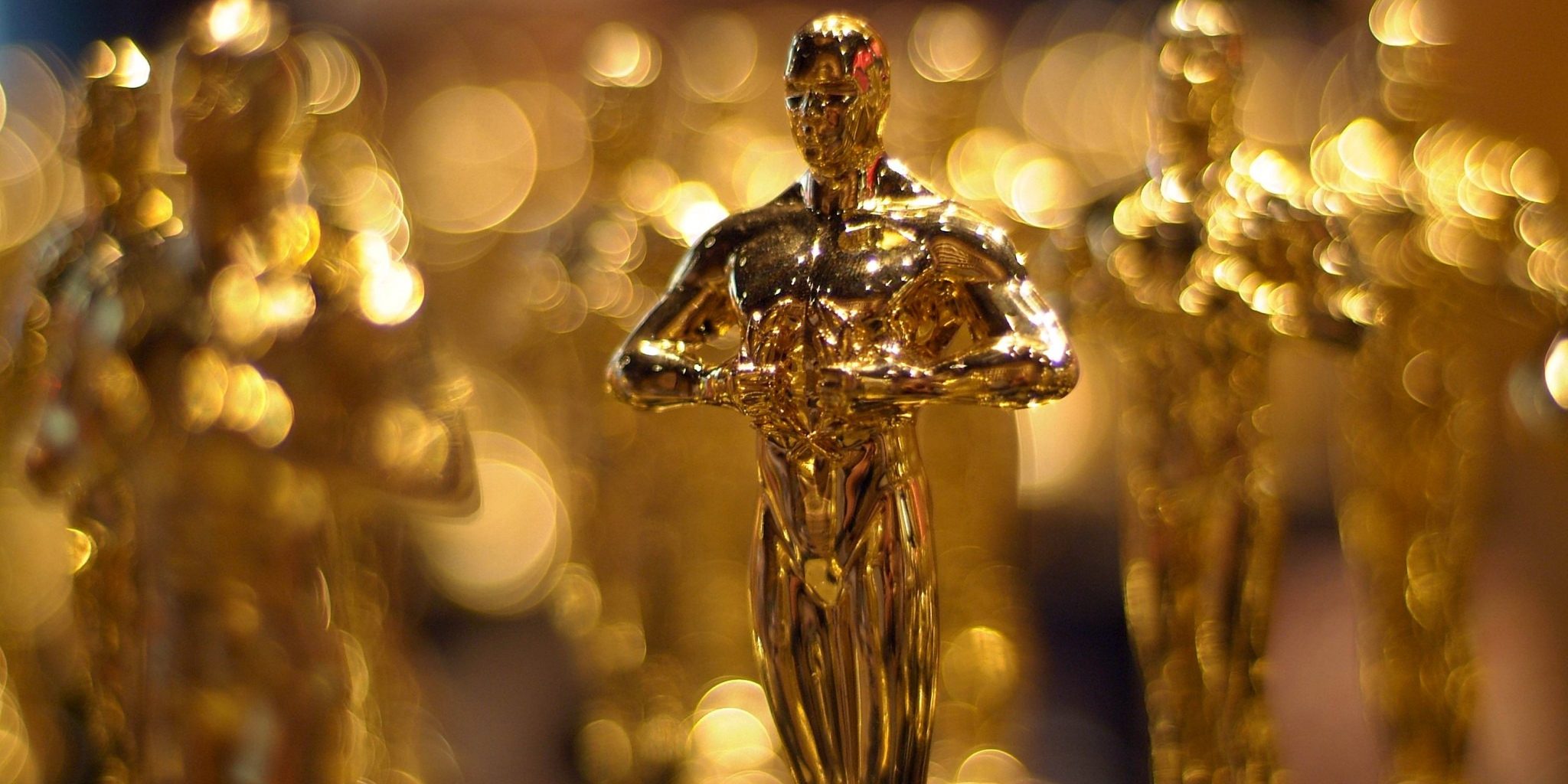
Oscars say AI cannot win awards for acting and writing
The Academy of Motion Picture Arts and Sciences has clarified that only films with acting and writing by humans will be considered eligible to win an Oscar.
The Oscars, widely considered the most prestigious set of awards in the film industry, are predominantly centred around films produced in Hollywood, with a live televised ceremony in February or March of each year. The updated rules for the 99th Oscars explicitly exclude AI-generated performances and scripts from eligibility as a counter to the recent wave of AI in film.
While AI can be used to enhance production, such as with visual effects or sound design, a clear line – which AI is not permitted to cross – has now been drawn
A screenplay must be both authored and performed by humans for a film to be eligible for a nomination, with the academy reserving the right to request detailed disclosures on AI to ensure compliance with the new regulations. While AI can be used to enhance production, such as with visual effects or sound design, a clear line – which AI is not permitted to cross – has now been drawn.
While attitudes are largely polarised, these regulations have had a distinct effect on what is considered acceptable AI usage in the industry.
Screenwriting has been largely considered off-limits. When the union representing Hollywood writers went on strike in 2023, a key motivation for the fight was against studios using AI to write scripts. Alongside this, there have been multiple lawsuits from both studios and actors claiming copyright infringement against AI companies, with more than 700 artists supporting an anti-AI campaign. Scarlett Johansson said in a statement via Variety that “we must call out the misuse of AI,” a stance echoed by several other stars.
In contrast, Hollywood talent from this year’s nine-member Cannes jury were more optimistic about the rise of AI in filmmaking. When questioned by The Hollywood Reporter, Demi Moore argued that “AI is here, and so to fight it is to, in a sense, fight something that is a battle that we will lose. So, to find ways in which we can work with it, I think, is a more valuable path”.
Though AI integration into the process is used predominantly to enhance rather than replace creative decisions, the risks of job displacement and failing to retain artistic integrity are becoming ever more predominant
Moore’s nuanced stance appears to have been echoed by the Academy. Whilst guidelines have been set to prevent losing the human core of projects, there is still expansive use of AI technology in the industry. Dubbing and translation work has ultimately been rendered nearly obsolete, with visual effect artists working alongside generative AI. Though AI integration into the process is used predominantly to enhance rather than replace creative decisions, the risks of job displacement and failing to retain artistic integrity are becoming ever more predominant.
A recent sticky point around the embrace of AI in the film industry is its use for the artificial recreation of deceased actors, such as Val Kilmer who died in 2025. The actor is set to be recreated with AI technology to be a lead role in an upcoming movie, which will use both younger images of Kilmer and footage from his final years. The production team is hopeful that this project will demonstrate an ethical use of AI: Kilmer previously partnered with Sonantic to create an AI-powered speaking voice for his role in Top Gun: Maverick, telling Variety that he was “grateful” for the innovations.
AI predicts what images should look like based off patterns learned from large data bases, allowing for almost instant generation that reduces the artist’s role to merely editorial
Despite this, there is something ominous about the replacement of actors by AI, even those who have consented. Though CGI has been used in a similar way since 1990, it takes a bottom-up approach, with every detail manually constructed by artists. In contrast, AI predicts what images should look like based off patterns learned from large data bases, allowing for almost instant generation that reduces the artist’s role to merely editorial. Though AI appears to be an easy shortcut, CGI’s generation is more precise as it works with individual pixels.
This raises the question of whether AI should only be used for image enhancement rather than generation, to ensure that the high standards in Hollywood’s film industry can be adequately retained.
The Academy has affirmed that it will “take into account the degree to which a human was at the heart of the creative authorship,” yet it is unclear as to whether industry bodies like the Oscars are doing enough to counter AI. Editorial roles are increasingly being overrun by this technology, threatening the future of the ‘soul’ of the industry.
Comments